Youth Program
image
image
image
image
image
image
About

Youth Program

The Sea Scouts Youth Program is a dynamic character-building and leadership development program designed for young people. Through adventure, seamanship, water sports, outdoor activities, community service, and teamwork, participants develop discipline, self-confidence, leadership skills, environmental awareness, and a spirit of service. The program prepares youth to become responsible citizens, capable leaders, and active contributors to society while fostering a strong connection with maritime traditions and the natural environment.

image
image
image
image
image
image

SEAMANSHIP

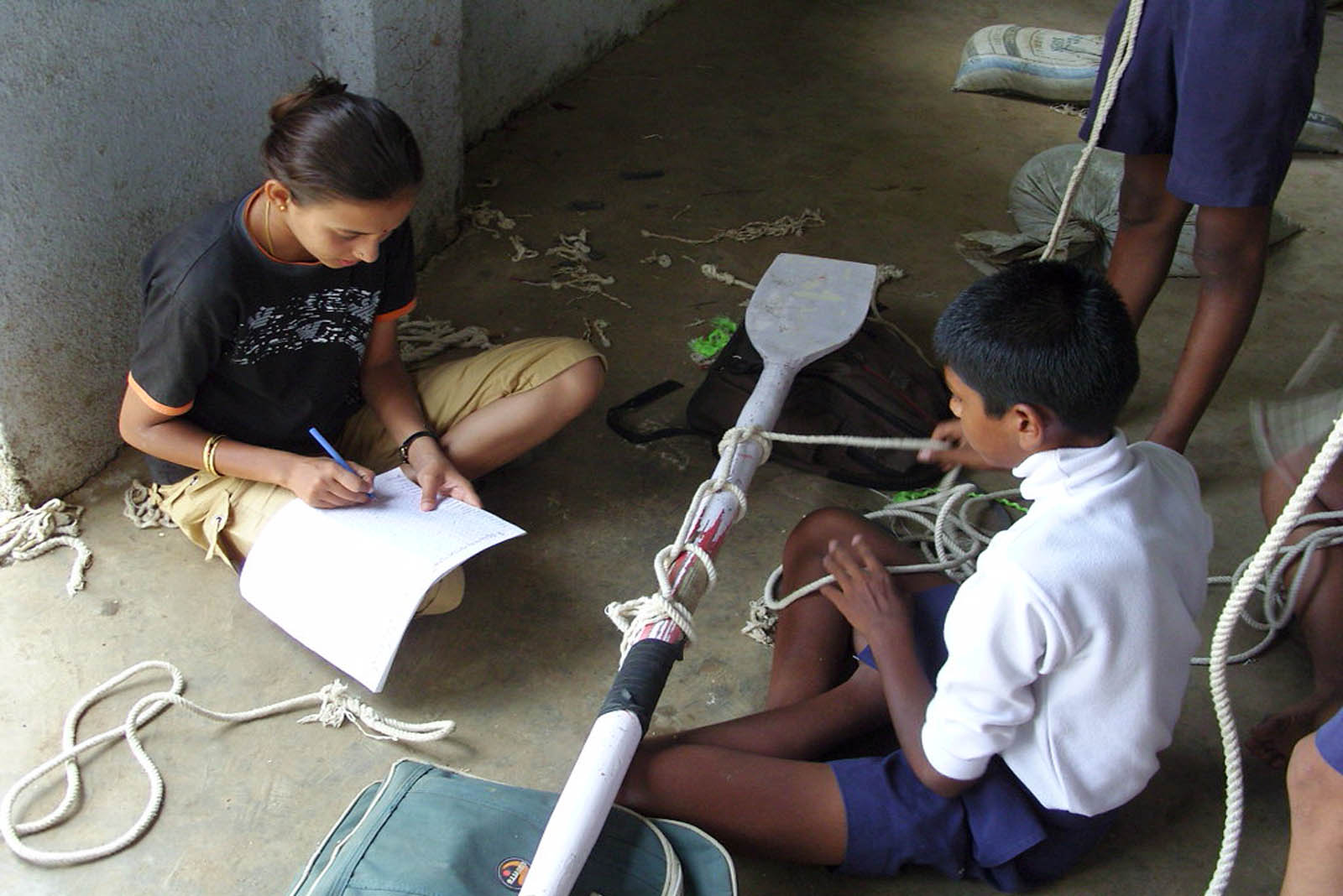
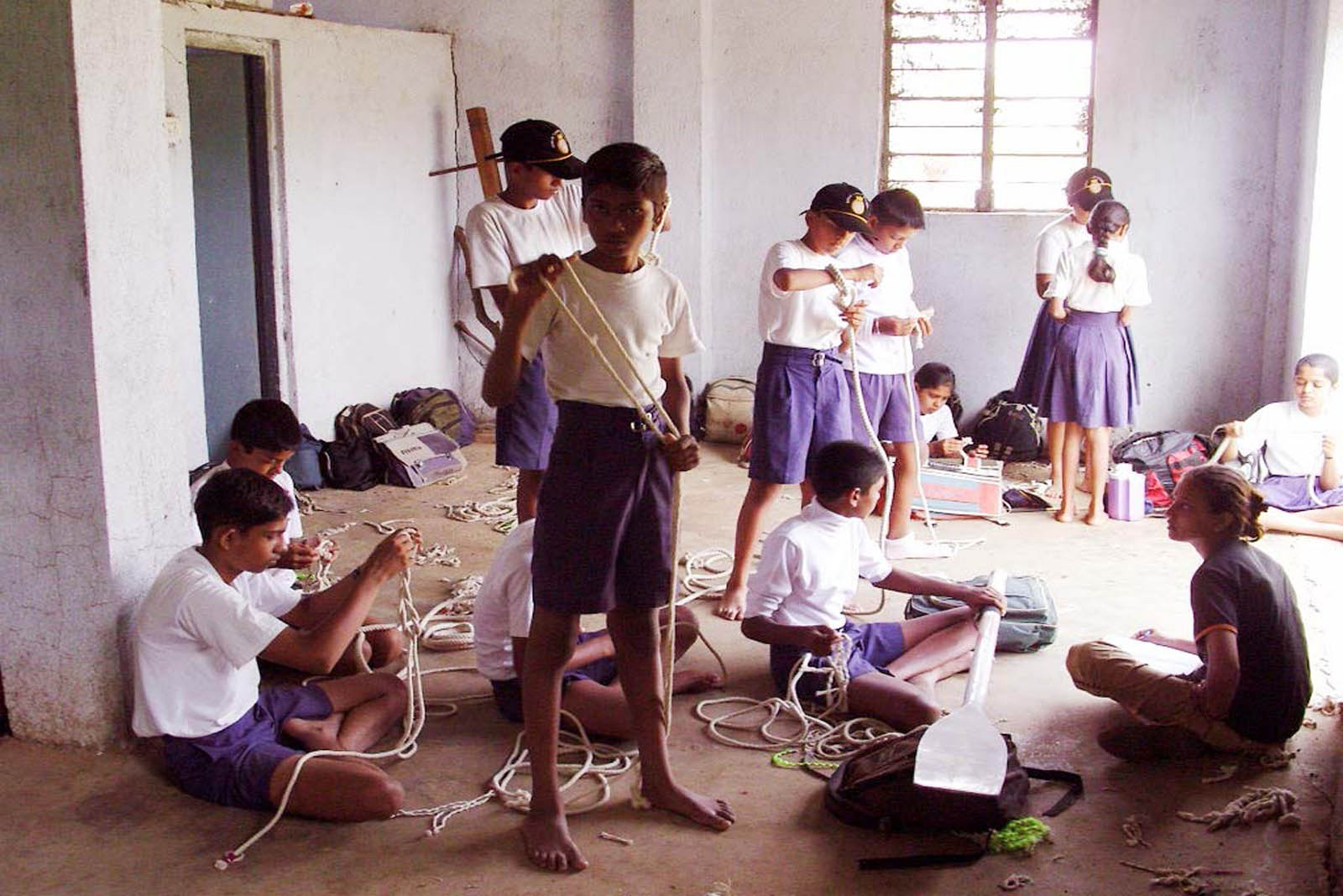
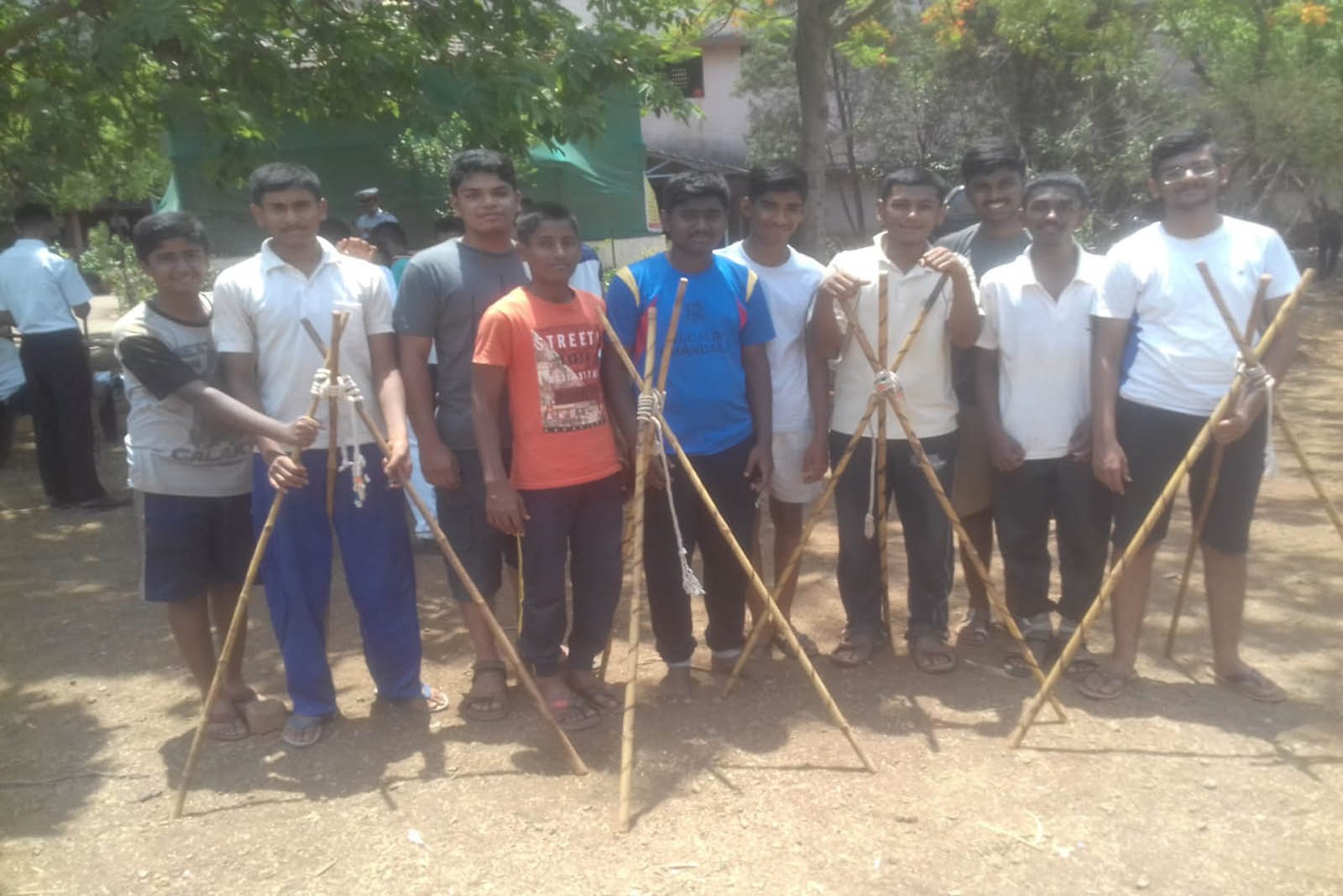
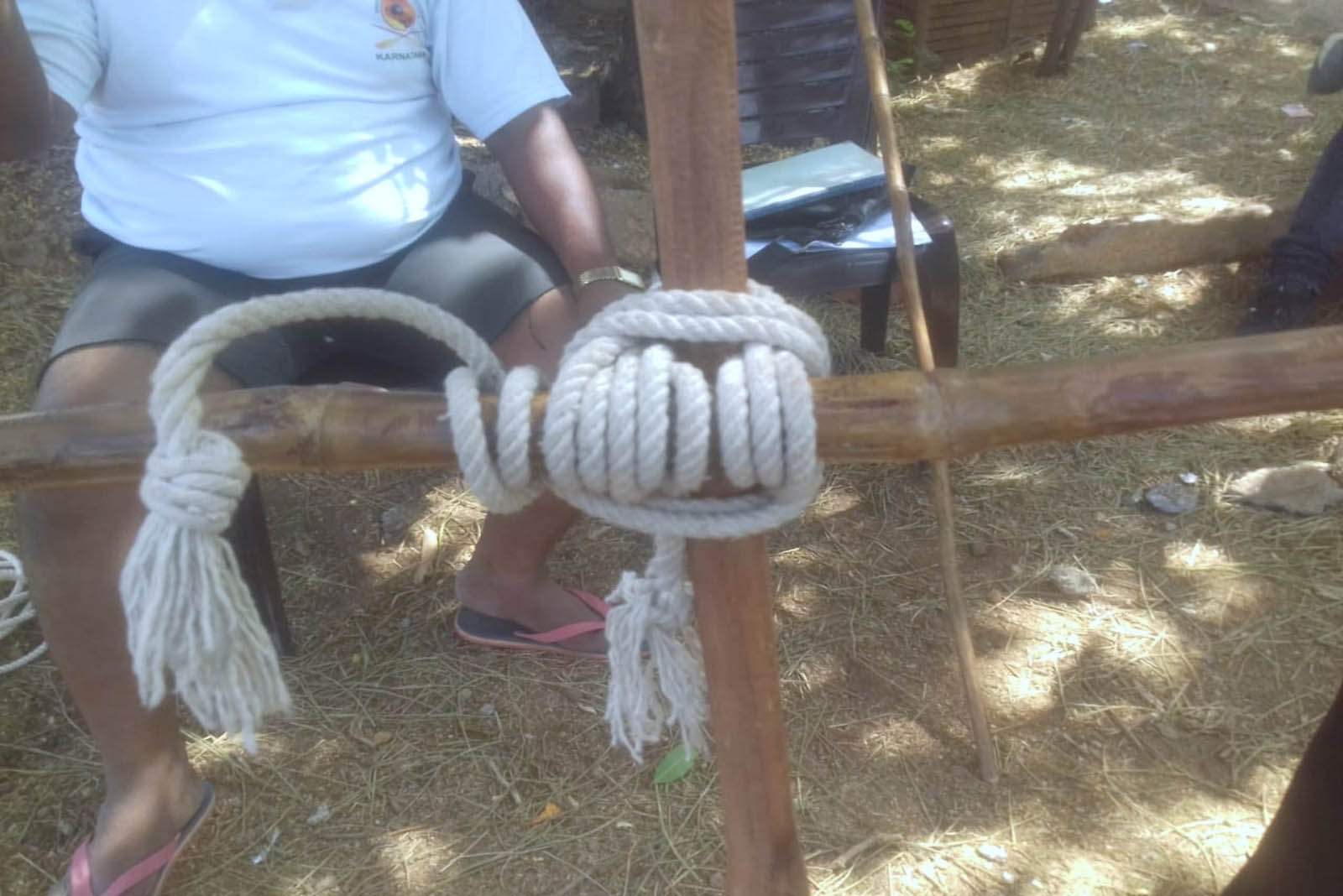
Seamanship” means the knowledge involved in handling and storing ropes, tying knots and performing practical tasks such as mooring and anchoring. The cadets start with the parts of Rope, making of a Rope, Bends and Hitches, Lashing, Splicing, Throwing of Heaving Line, Belaying and their uses.

image
image
image
image
image
image

SQUAD AND RIFLE DRILL

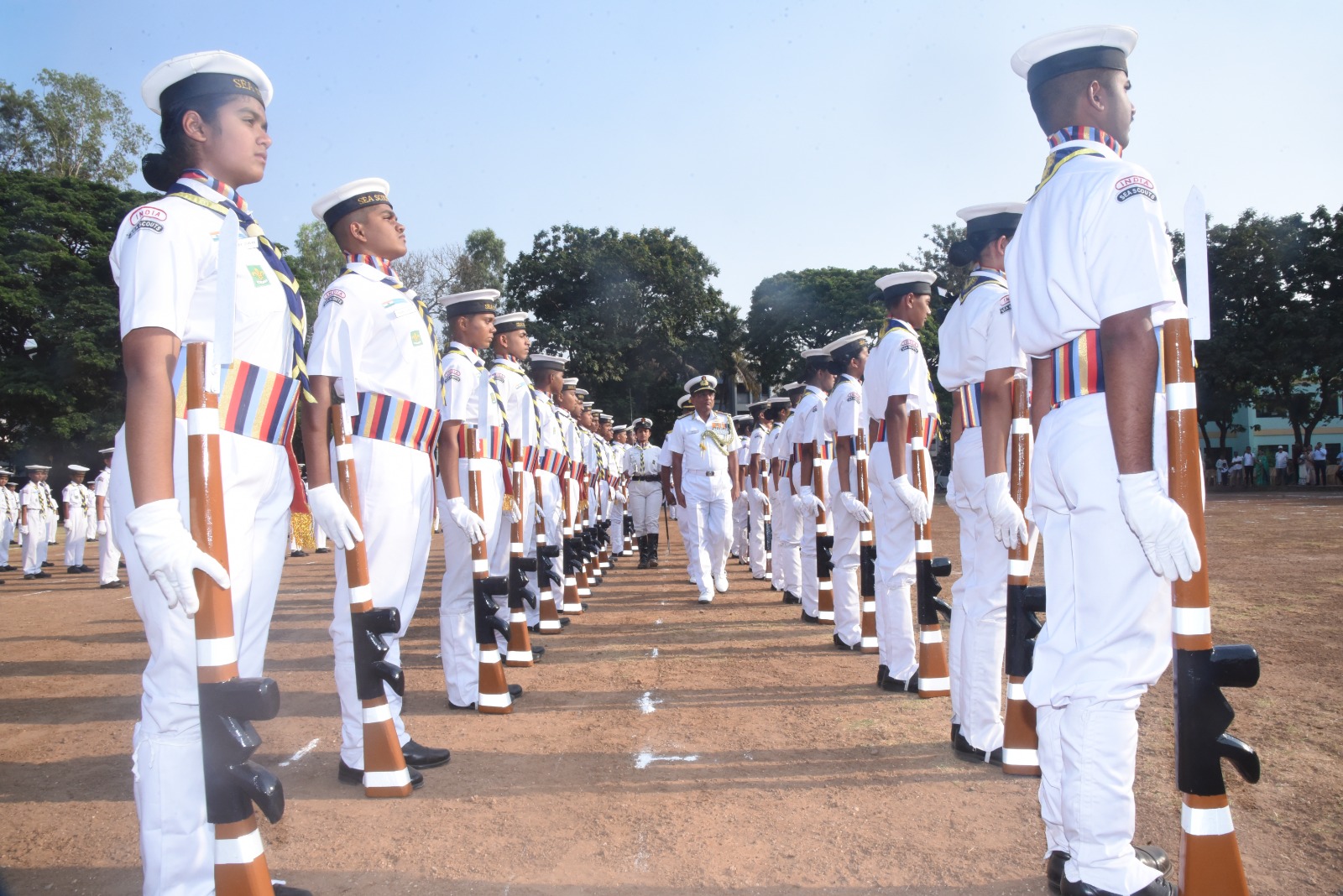
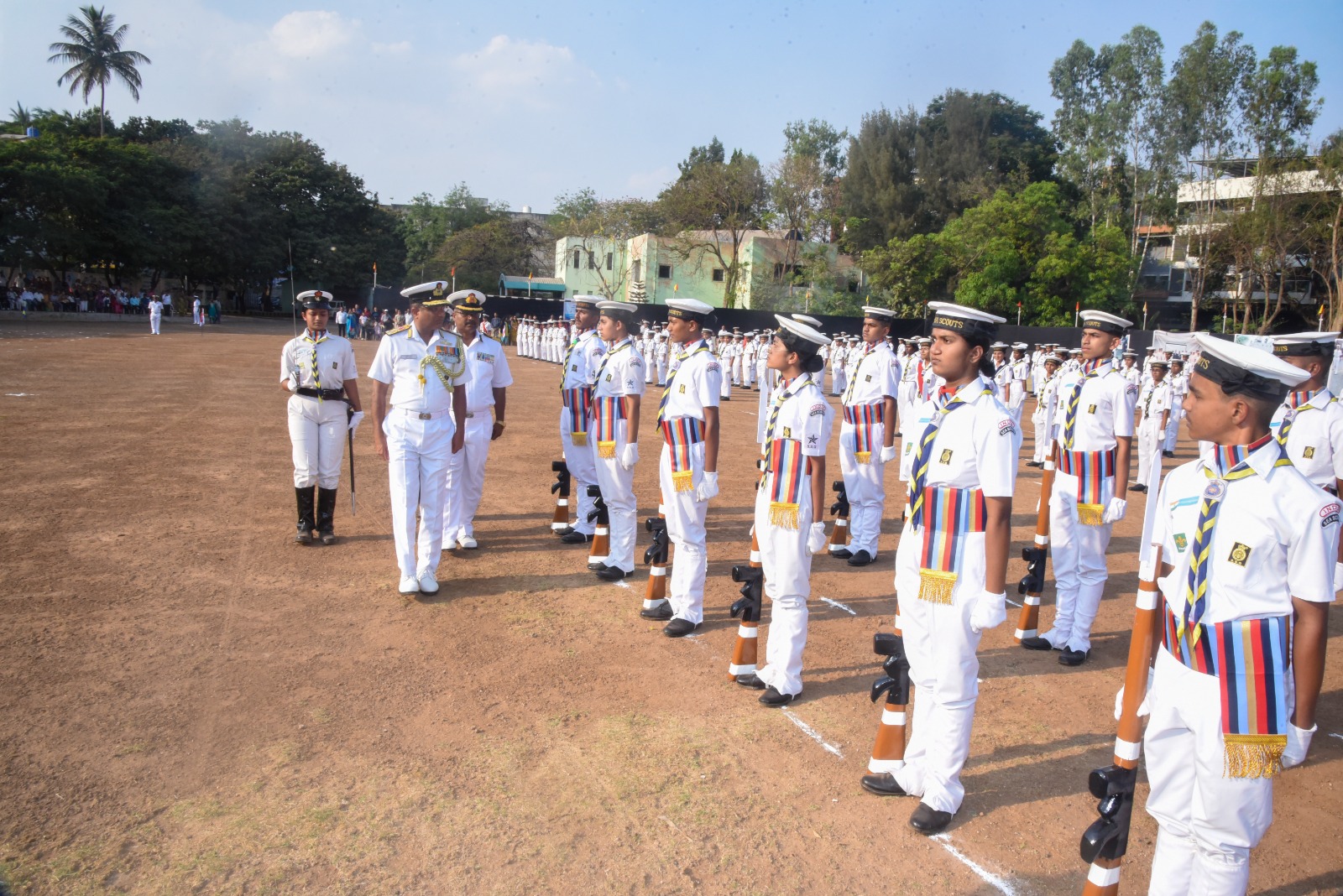
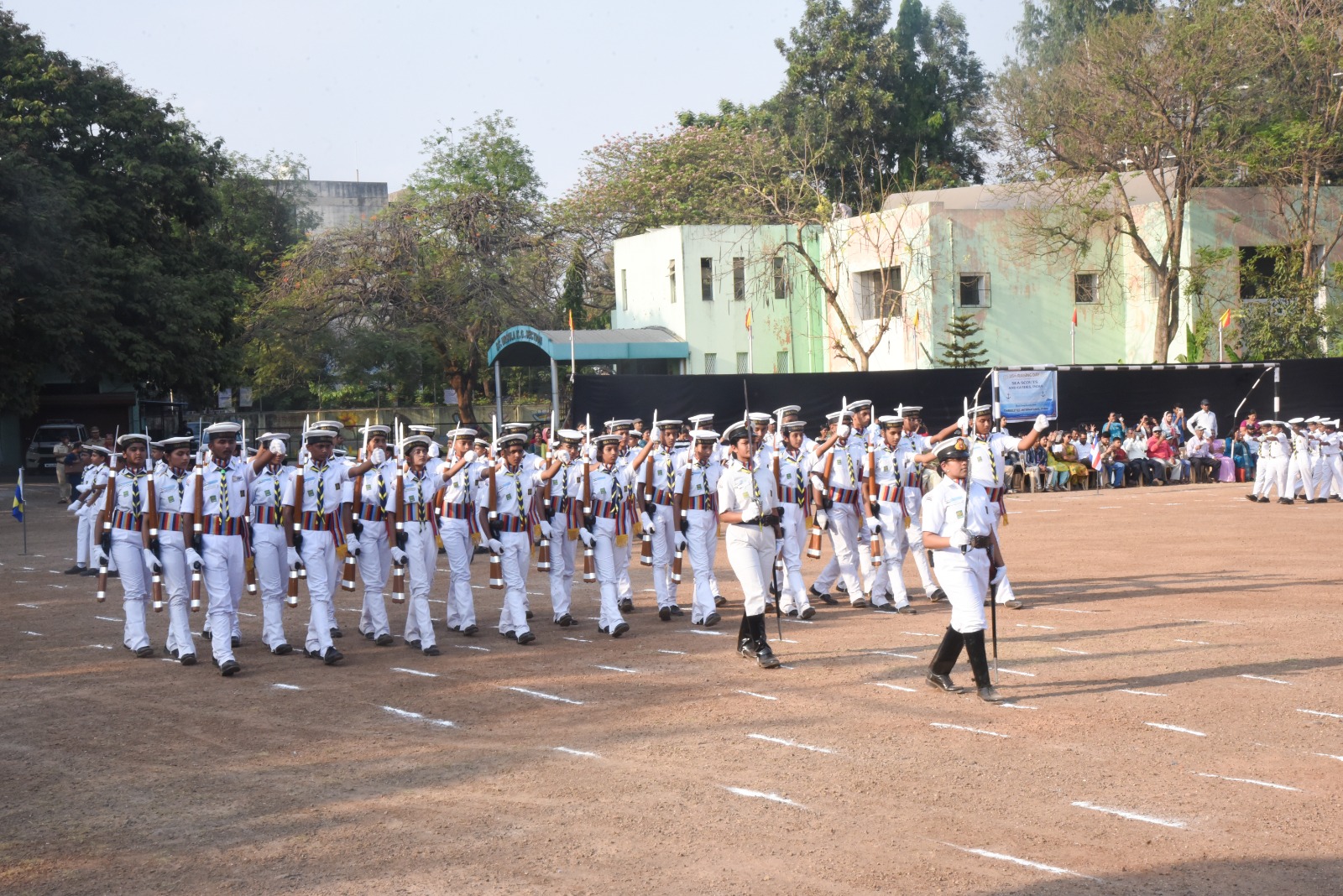
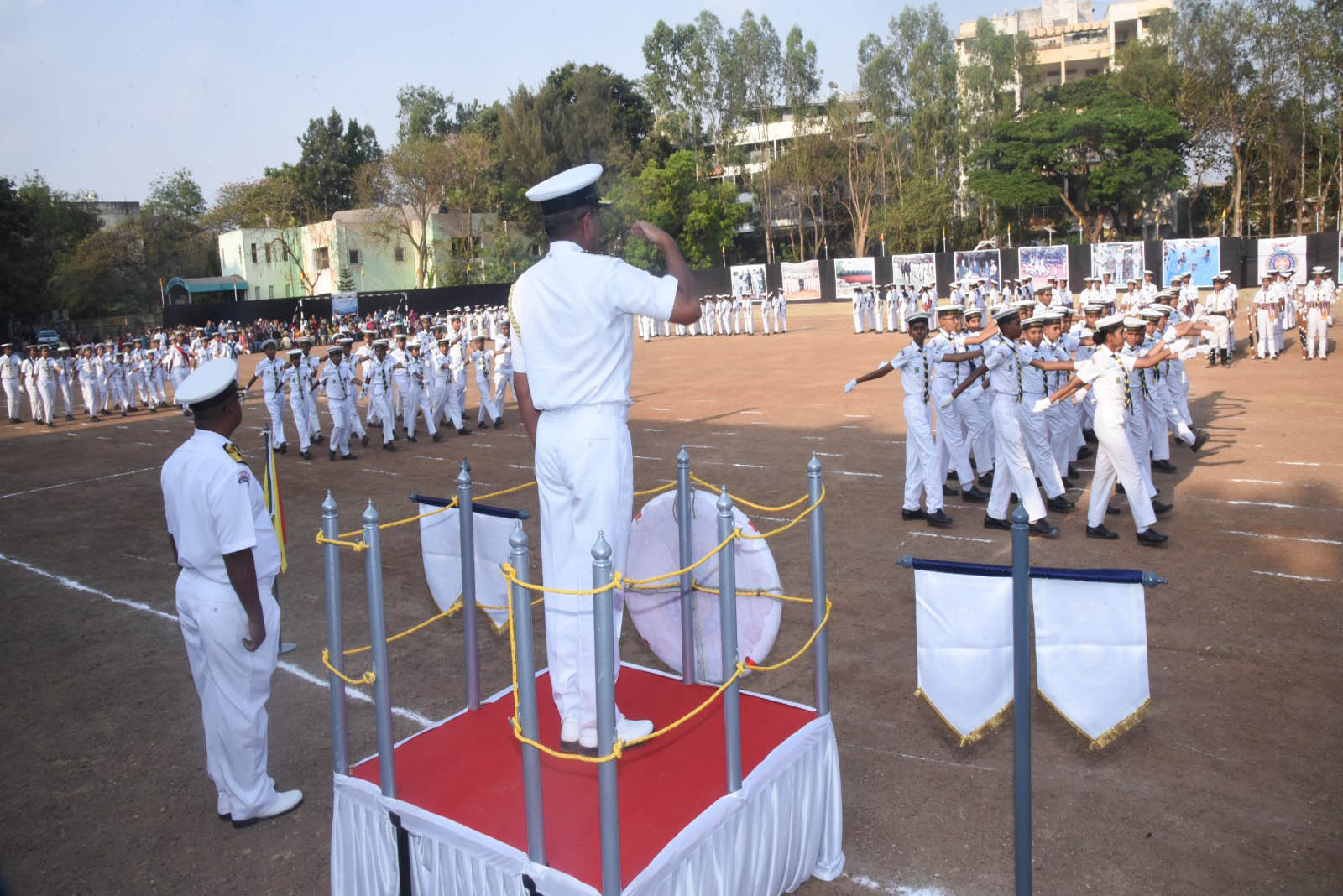
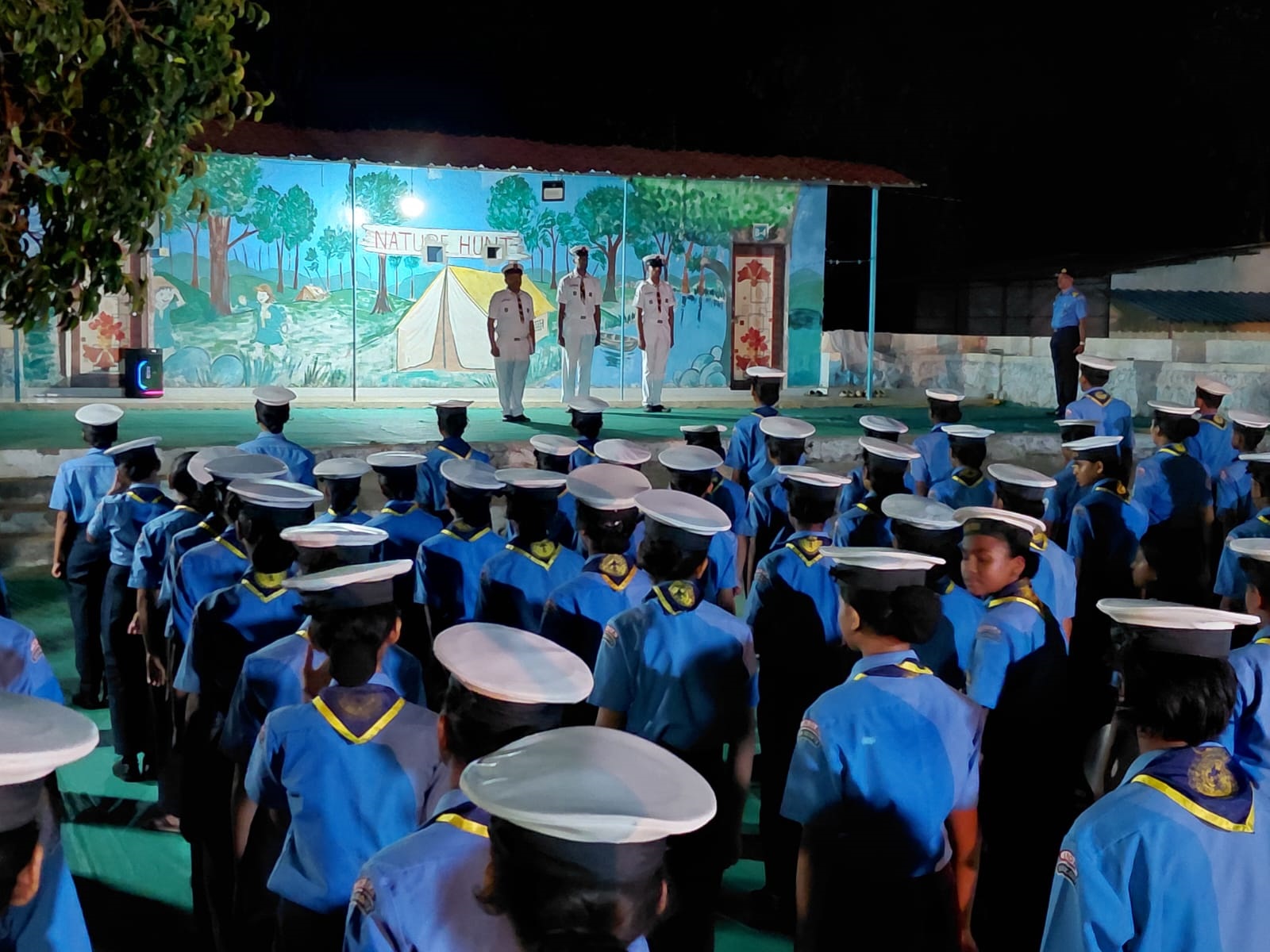
Squad Drill, Rifle Drill for Guards, Standing Drills, and Parade Training are conducted every Sunday for all cadets. Cadets assemble on the parade ground in their respective platoons at 0745 hrs sharp. Colours are ceremonially hoisted at 0800 hrs with the participation of the Colour Party, comprising the Colour Guard and Band.

Following the Colours ceremony, cadets undergo Parade Training and Standing Drills, with each session conducted for 45 minutes. These activities are designed to instill discipline, improve bearing and turnout, enhance teamwork, and develop leadership qualities among the cadets.

image
image
image
image
image
image

COMMUNICATION

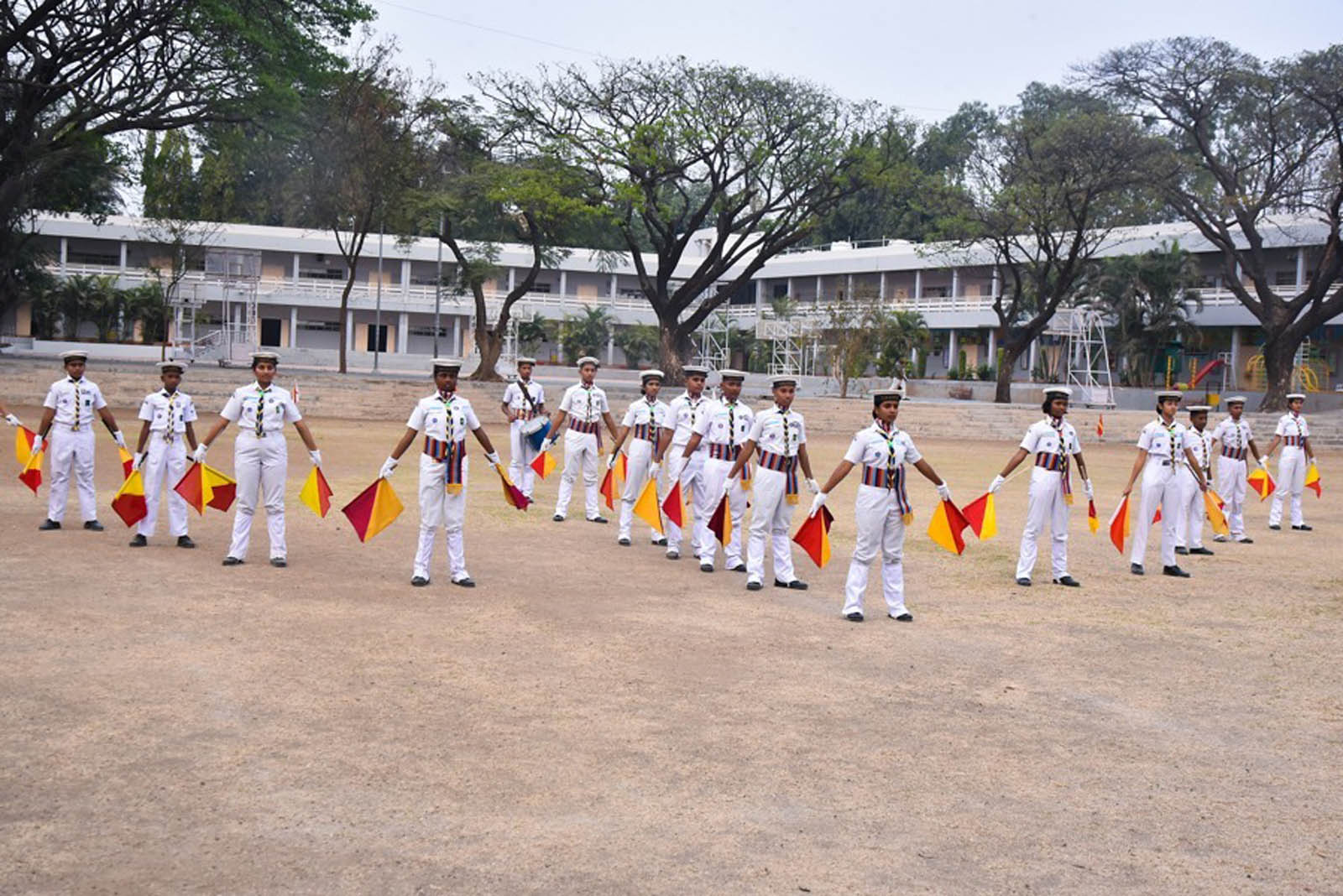
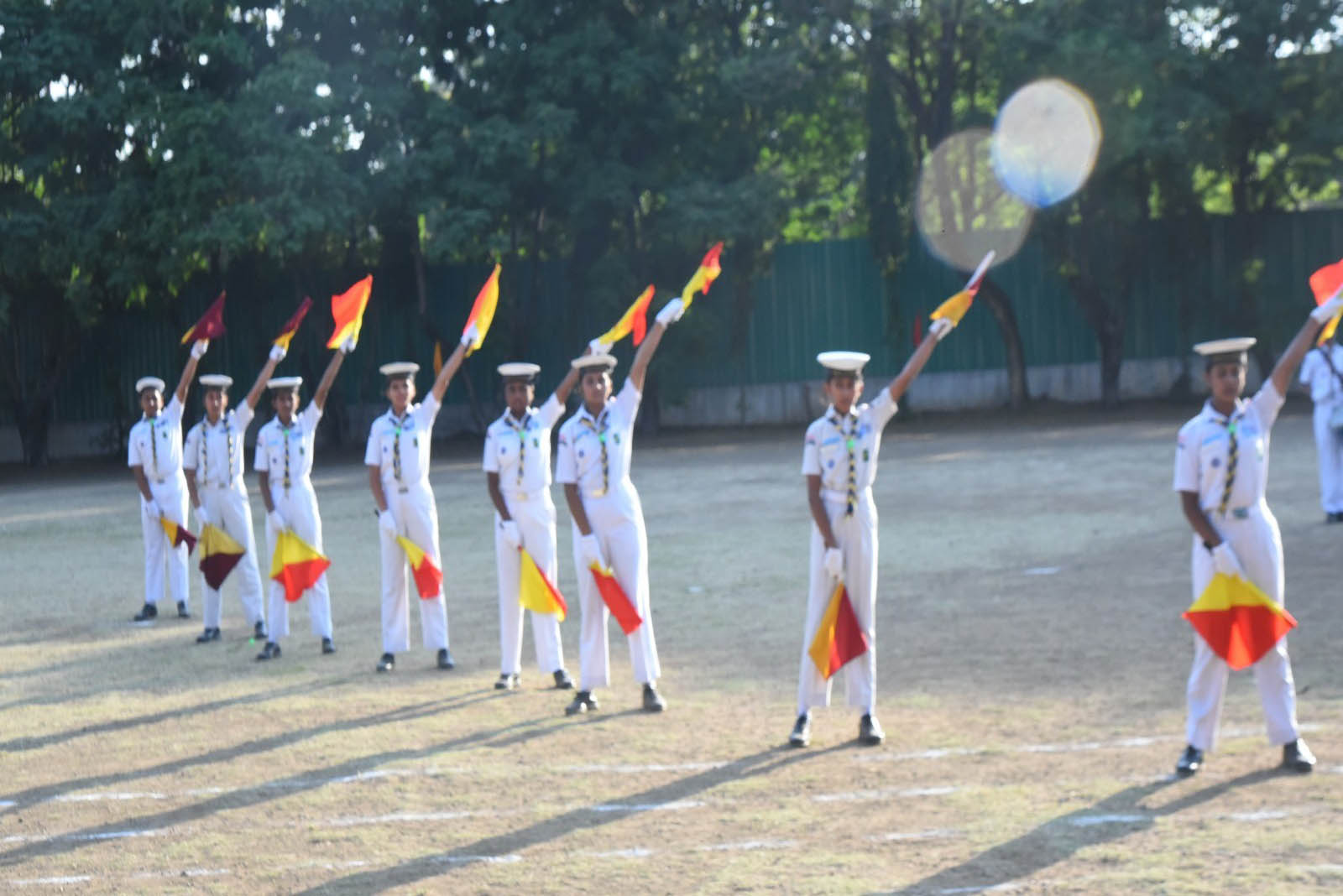
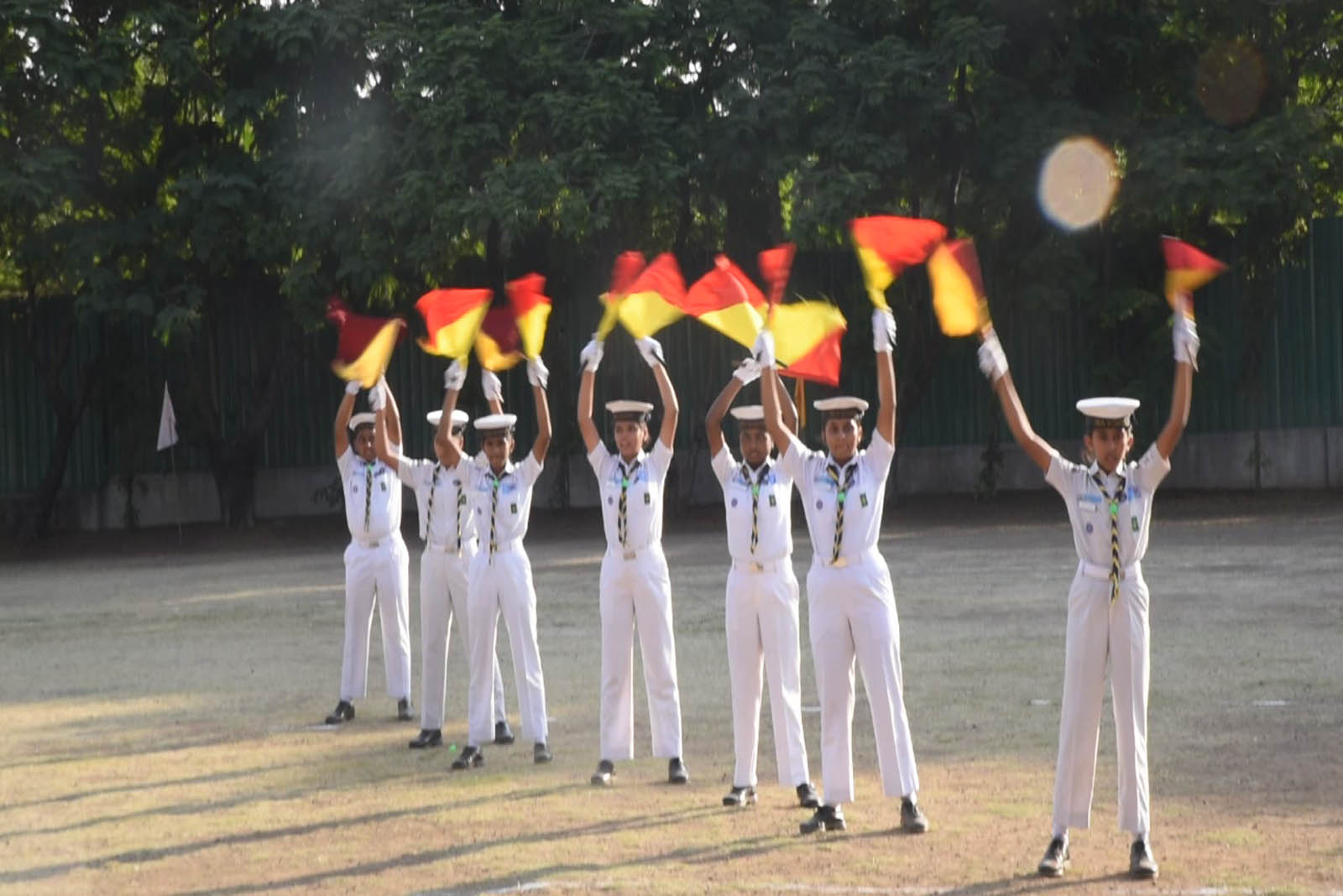
Communication training forms an important part of the Sea Scouts and Guides program. Semaphore and Morse Code are the foundations of this subject, and cadets are trained to send and receive messages at speeds of up to 20 words per minute (WPM) in Semaphore and 8 words per minute (WPM) in Morse Code.

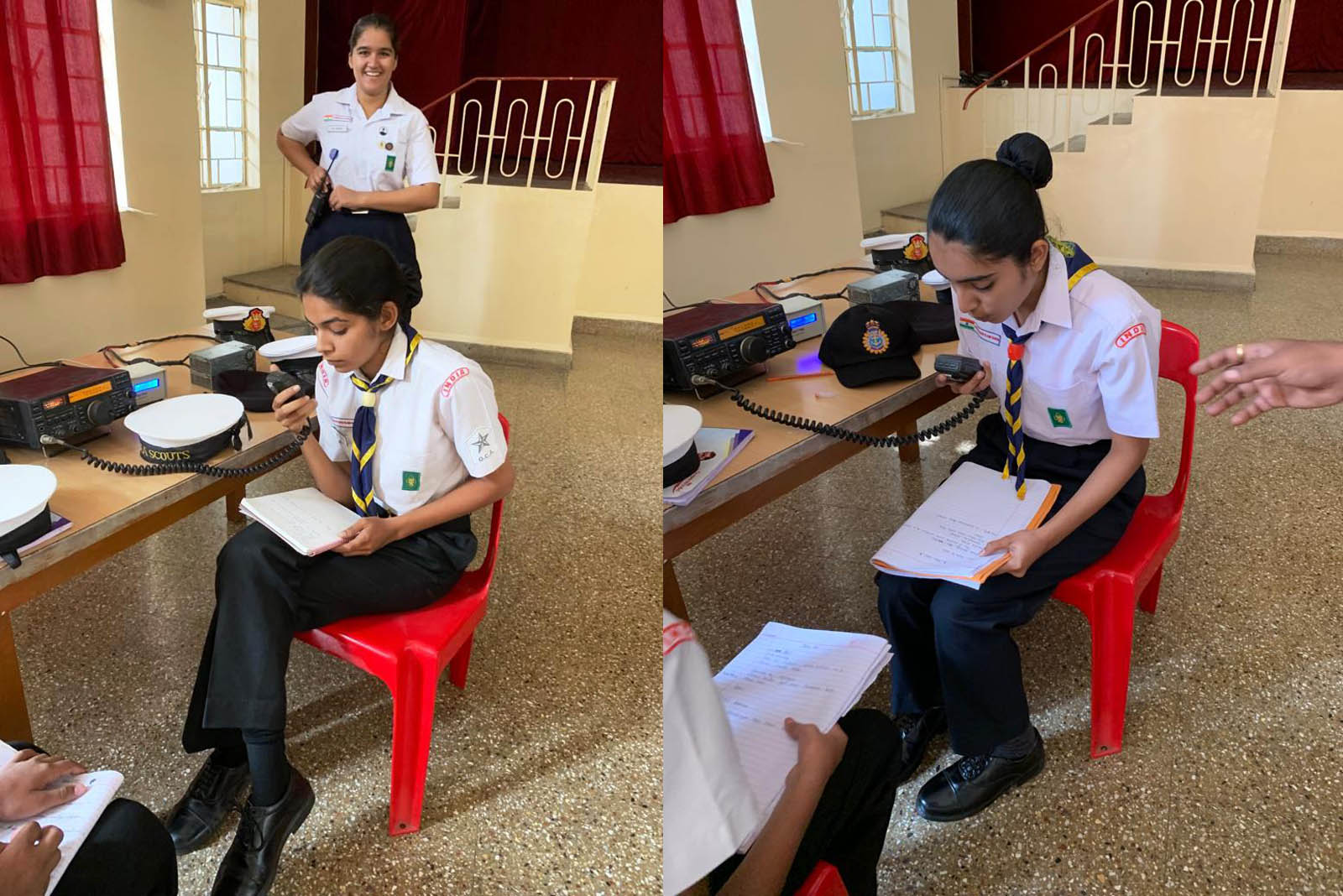
The Ocean Cadet Academy HAM Club VU2OCA is the sister organization of Sea Scouts and Guides, India, established specifically to train cadets above the age of 12 years in the field of Wireless Communication and Amateur Radio. The Academy conducts the Amateur Station Operator's Certificate (ASOC) Examination in association with the Wireless Planning and Coordination (WPC) Wing, Department of Telecommunications, Government of India.

image
image
image
image
image
image

SELF RELIANCE

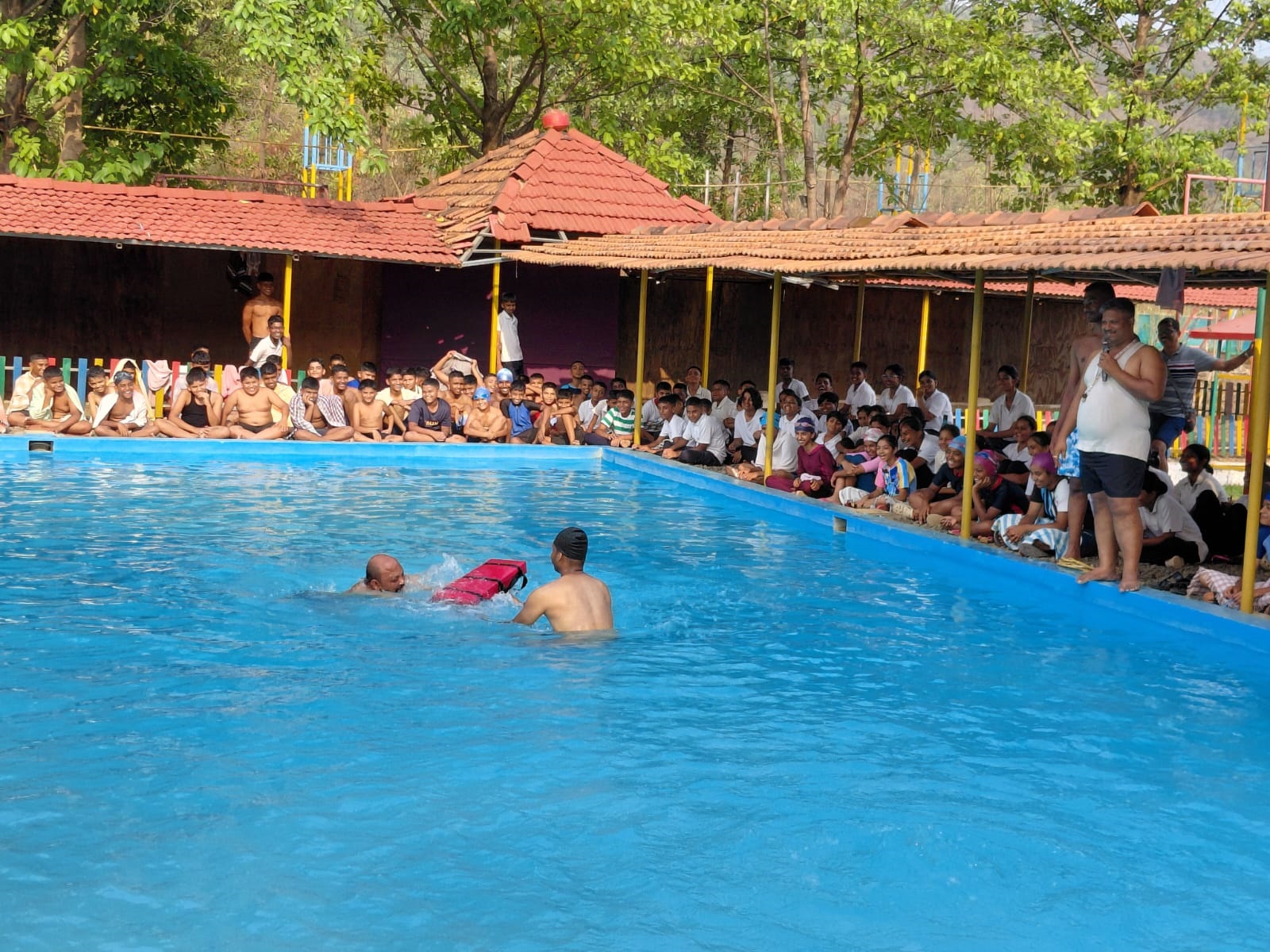
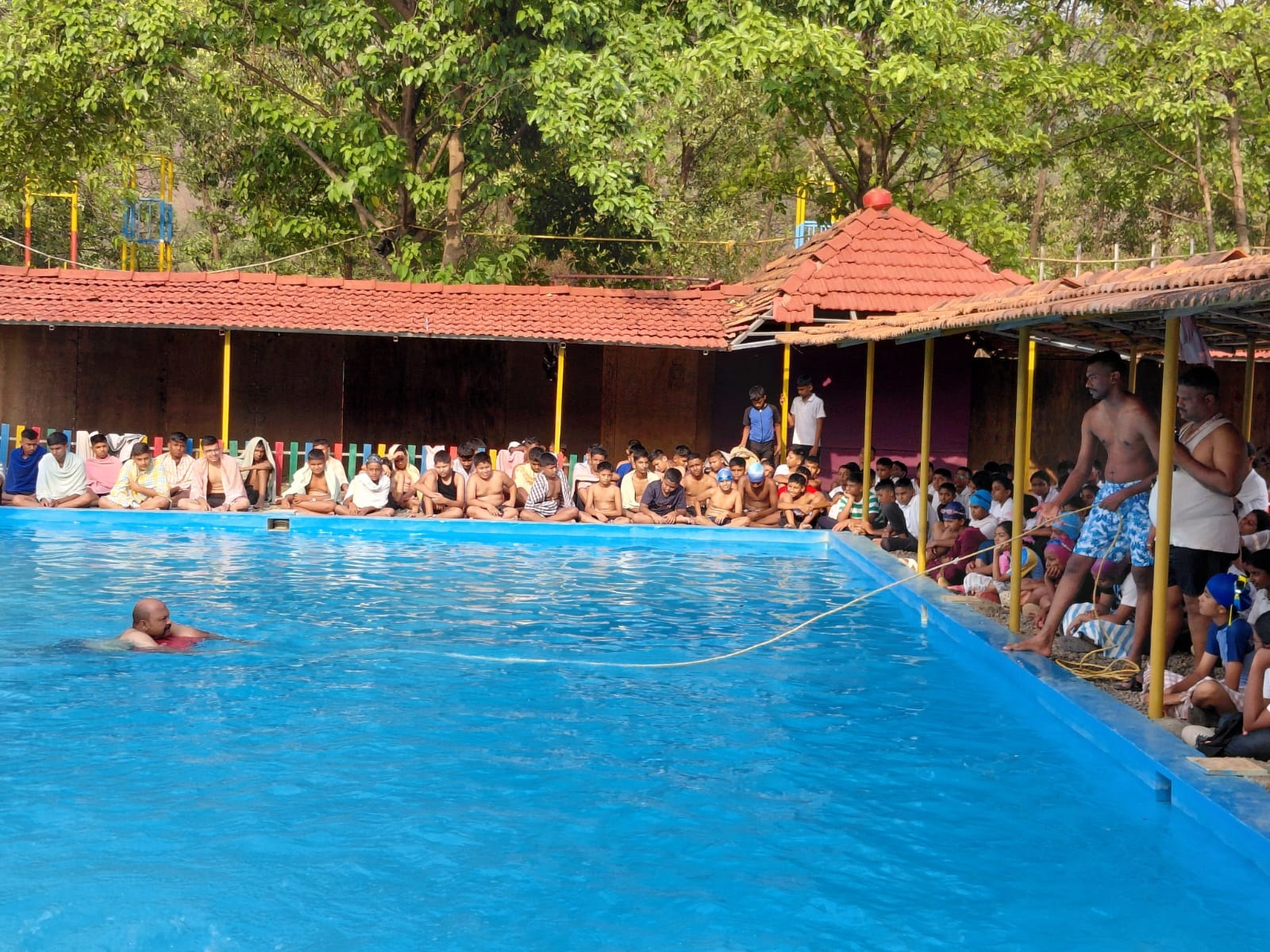
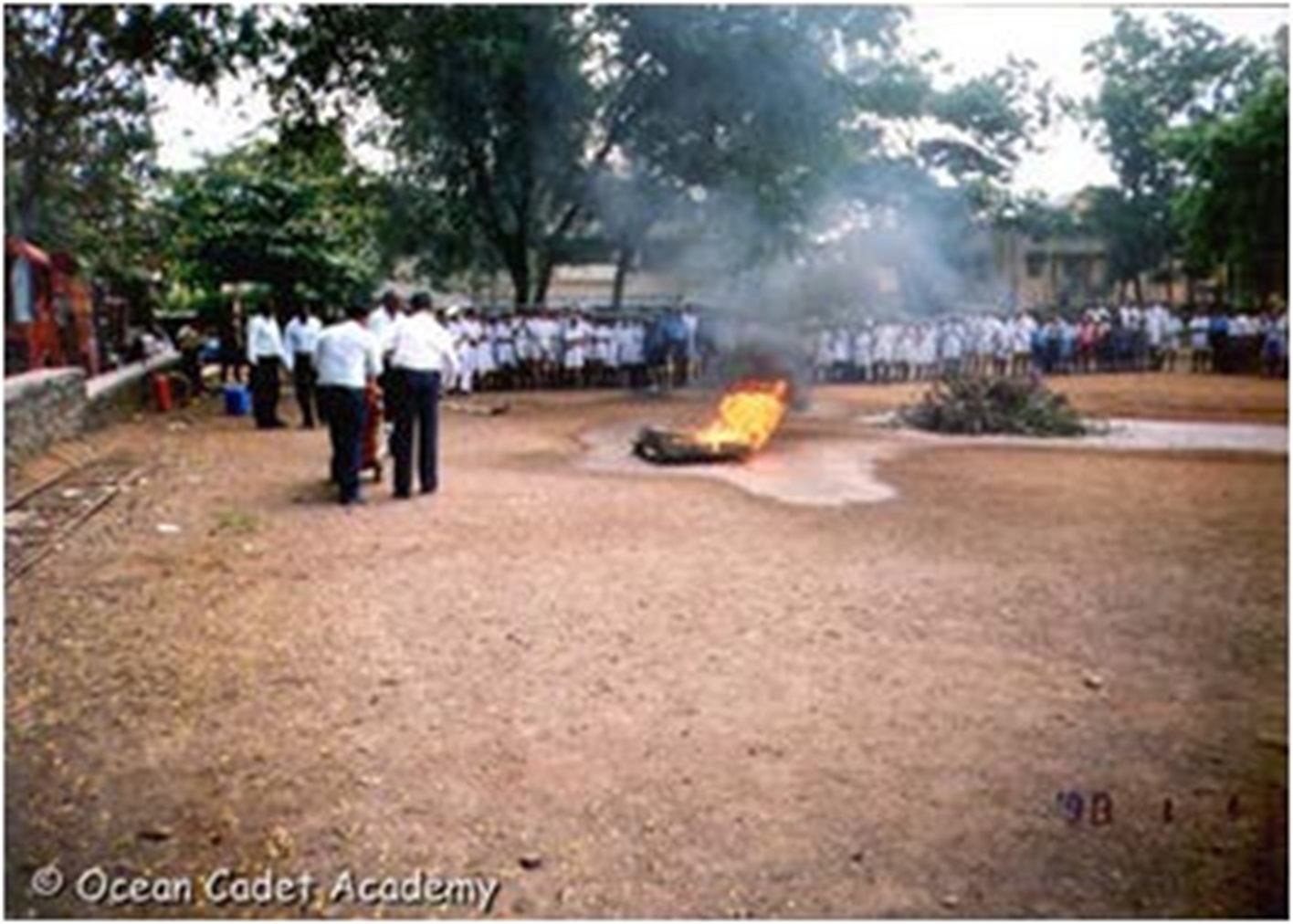
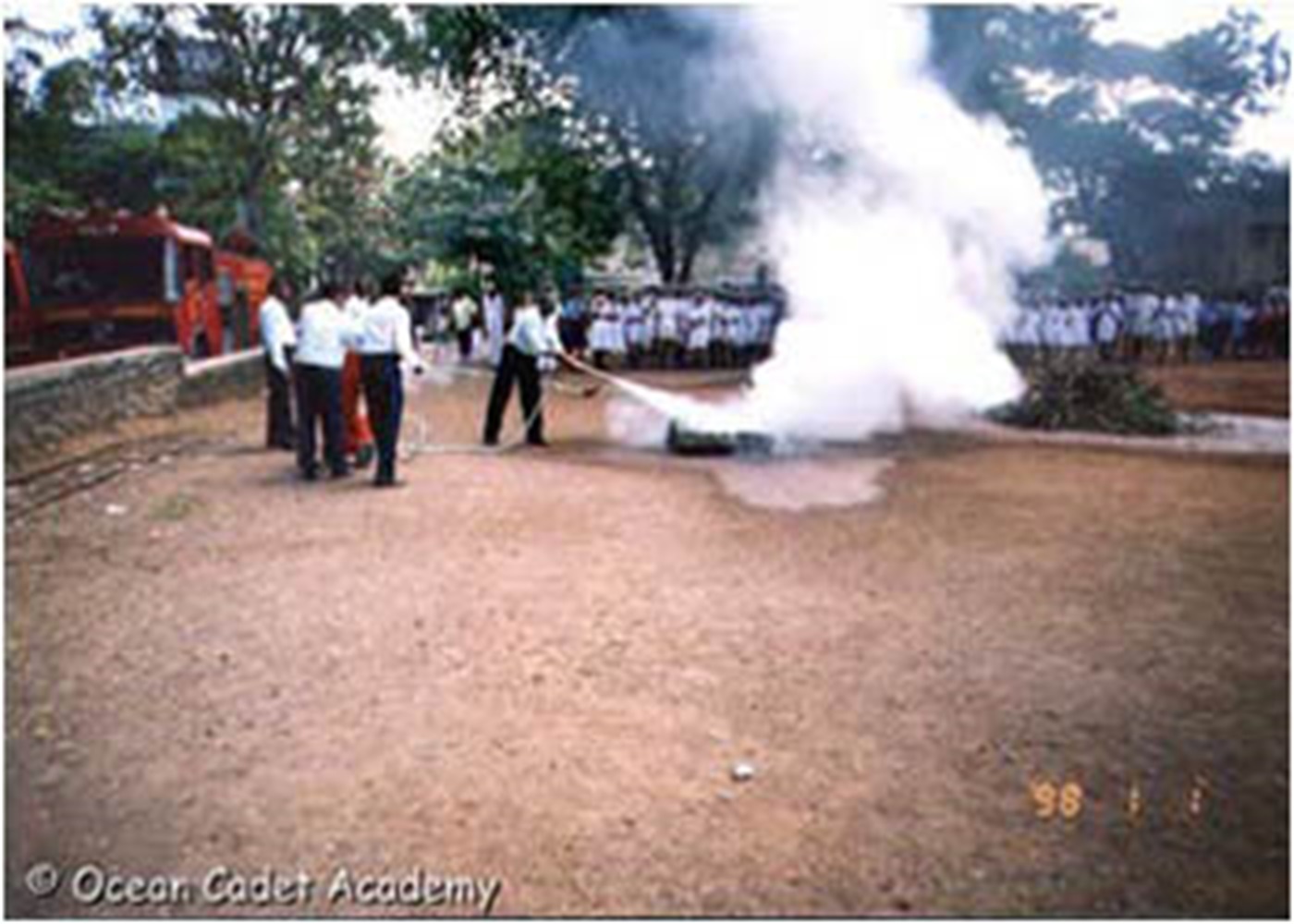
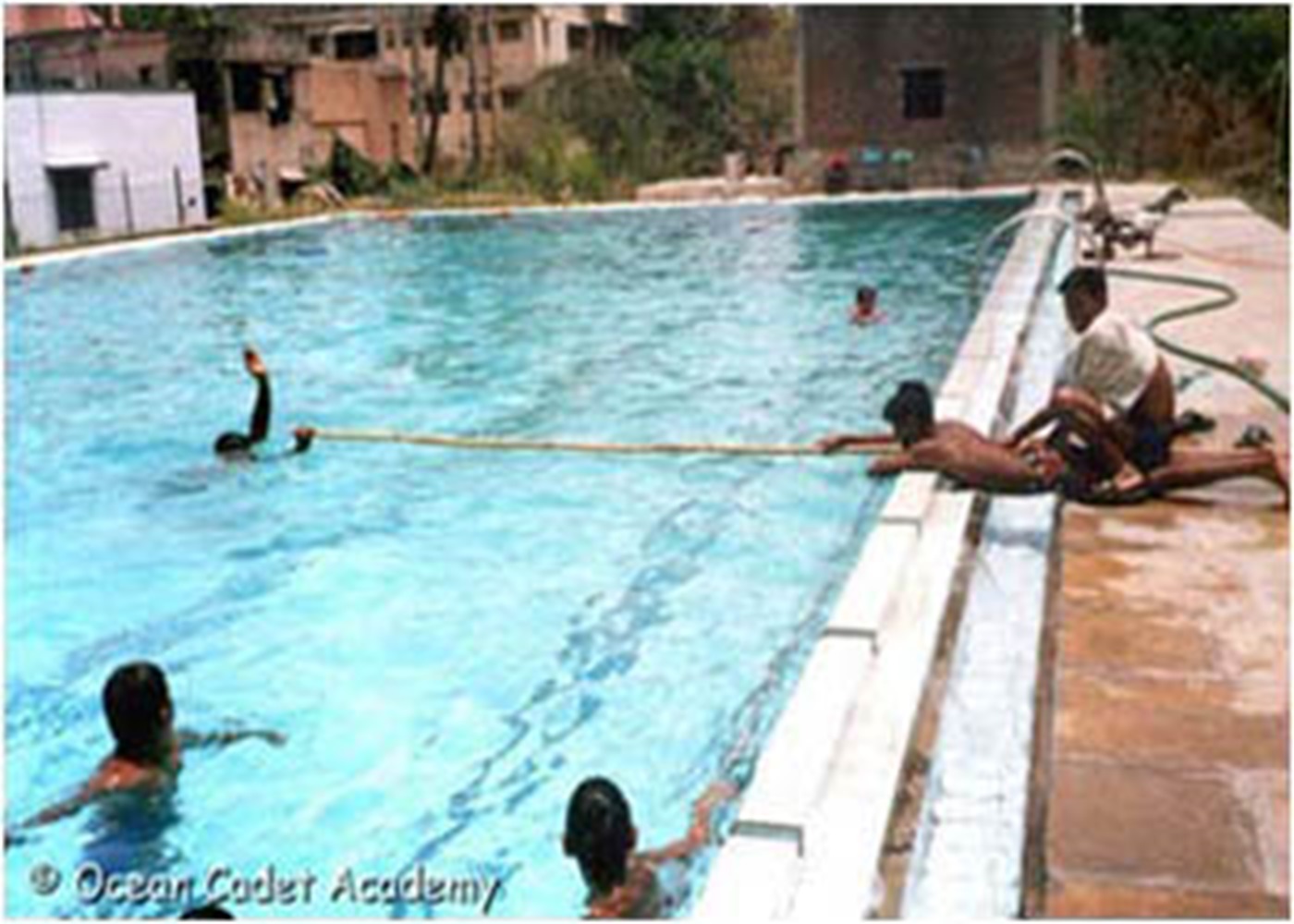
In this Subject cadets undergo Basic Fire Fighting, Advanced Fire Fighting , Life Saving Techniques and School safety techniques. In Basic Fire Fighting subject they learn about types of Fire and use of Fire Extinguishers for Fire Fighting. In Advanced Fire Fighting we invite local Fire Brigade and their Team to conduct training for the cadets.

image
image
image
image
image
image

FIRST AID

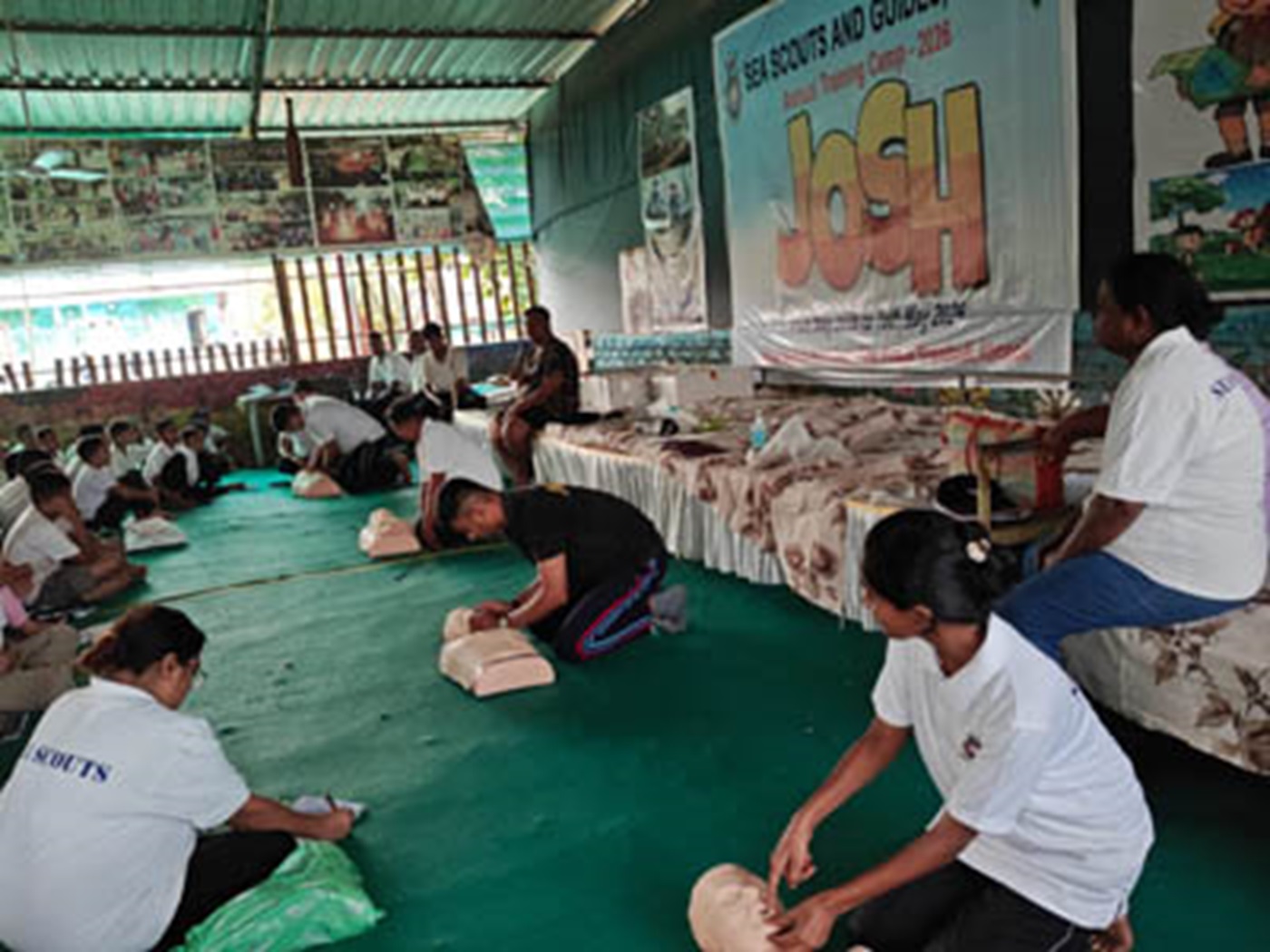
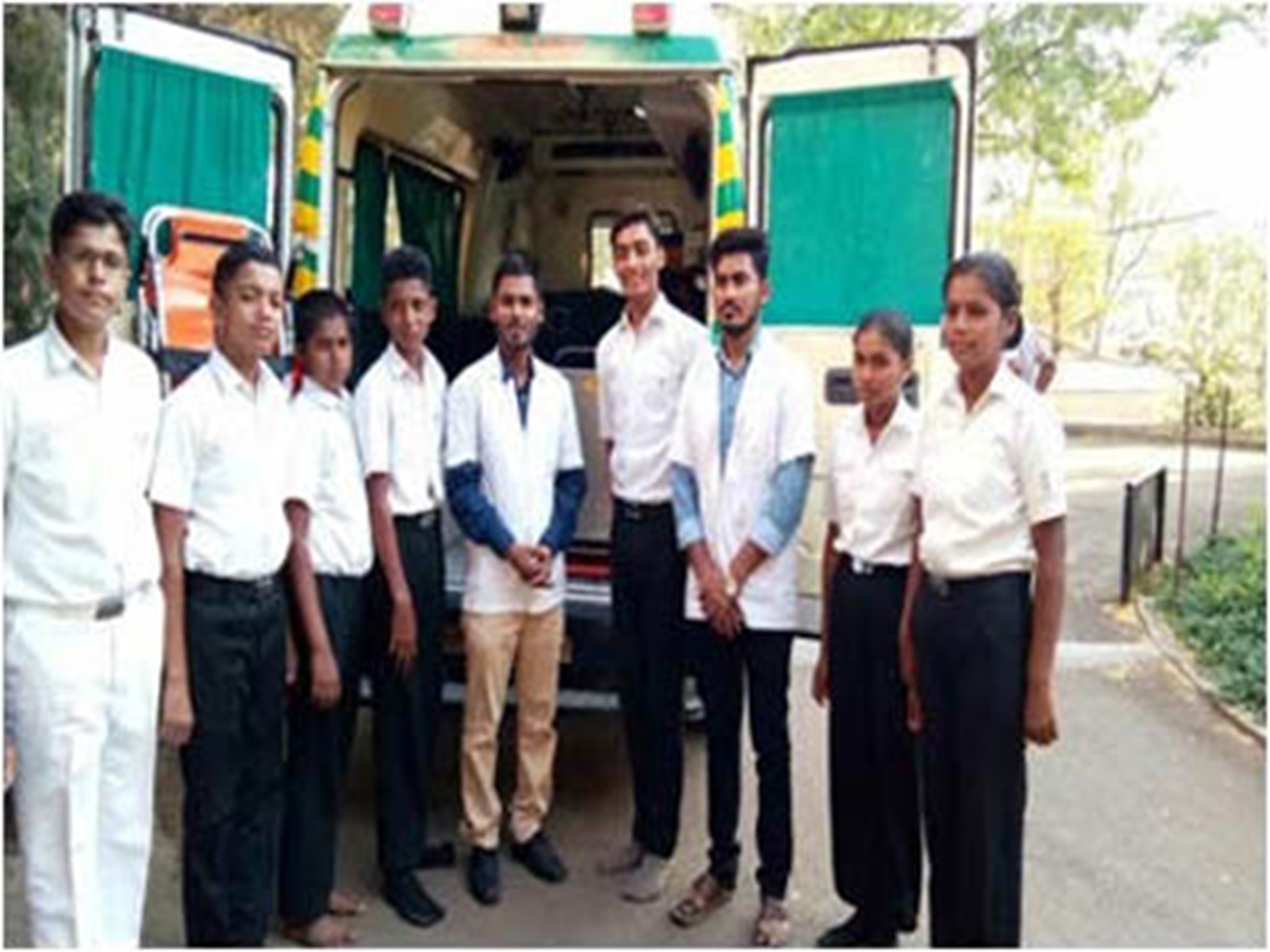
First Aid is the immediate assistance provided to a person suffering from an illness or injury before professional medical help arrives. Its primary objectives are to preserve life, prevent the condition from worsening, and promote recovery. First Aid includes emergency procedures such as Cardiopulmonary Resuscitation (CPR), control of bleeding, treatment of burns, fractures, and other injuries, as well as the management of minor ailments.

At Sea Scouts and Guides, cadets are trained in the fundamentals of First Aid to enable them to respond effectively during emergencies on land and water. To ensure professional and practical training, we regularly invite qualified doctors, nurses, paramedics, and medical professionals from local healthcare institutions to conduct lectures, demonstrations, and hands-on training sessions. This equips our cadets with essential life-saving skills, confidence, and a sense of responsibility towards the community.

image
image
image
image
image
image

FLUTE, BUGLE AND DRUM BAND

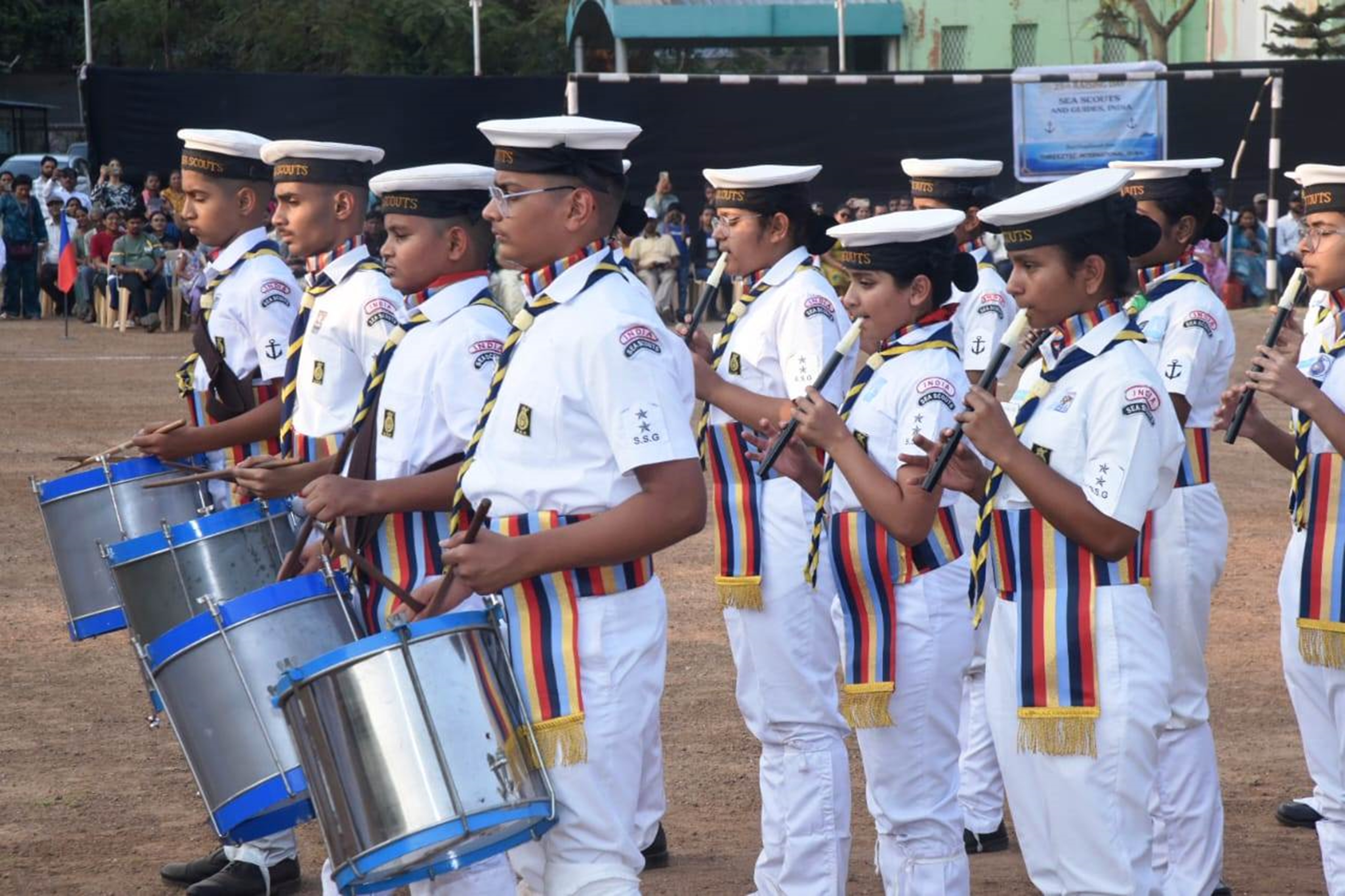
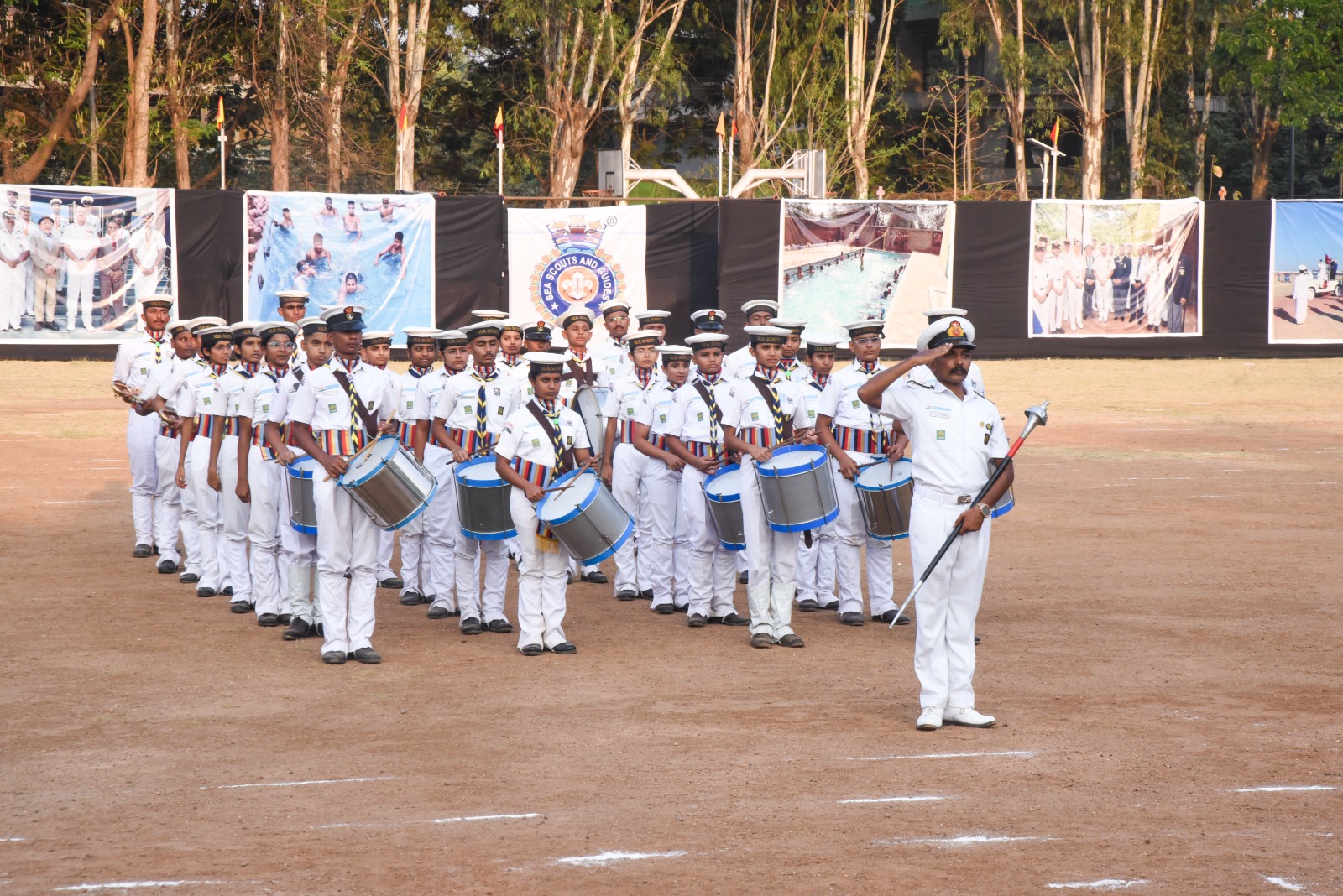
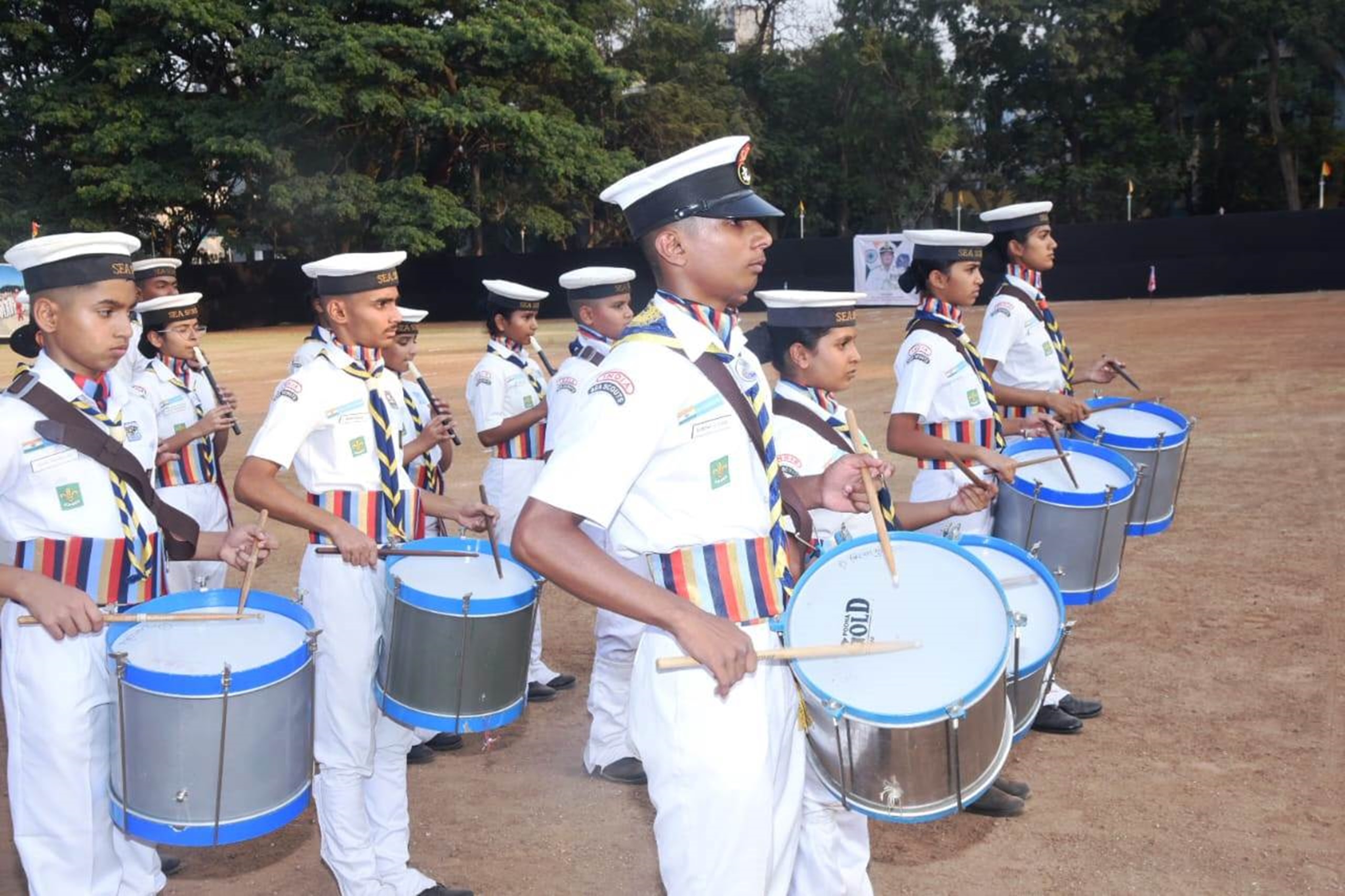
The Band Platoon is an important and prestigious part of the Sea Scouts and Guides. Band training begins from the very first day of enrollment, with cadets choosing an instrument such as the Flute, Bugle, or Side Drum according to their interest and aptitude. Through regular practice and disciplined training, cadets develop musical skills, coordination, confidence, and teamwork.

The most proficient and dedicated cadets are selected to form the Band Platoon, which performs during daily parades, ceremonial parades, camps, and special functions. The Band Platoon serves as a symbol of pride and discipline for the organization. In addition, our band members actively participate in inter-school band competitions, public events, and various musical contests, where they showcase their talent and uphold the traditions of Sea Scouts and Guides.

image
image
image
image
image
image

ROWING AND KAYAKING

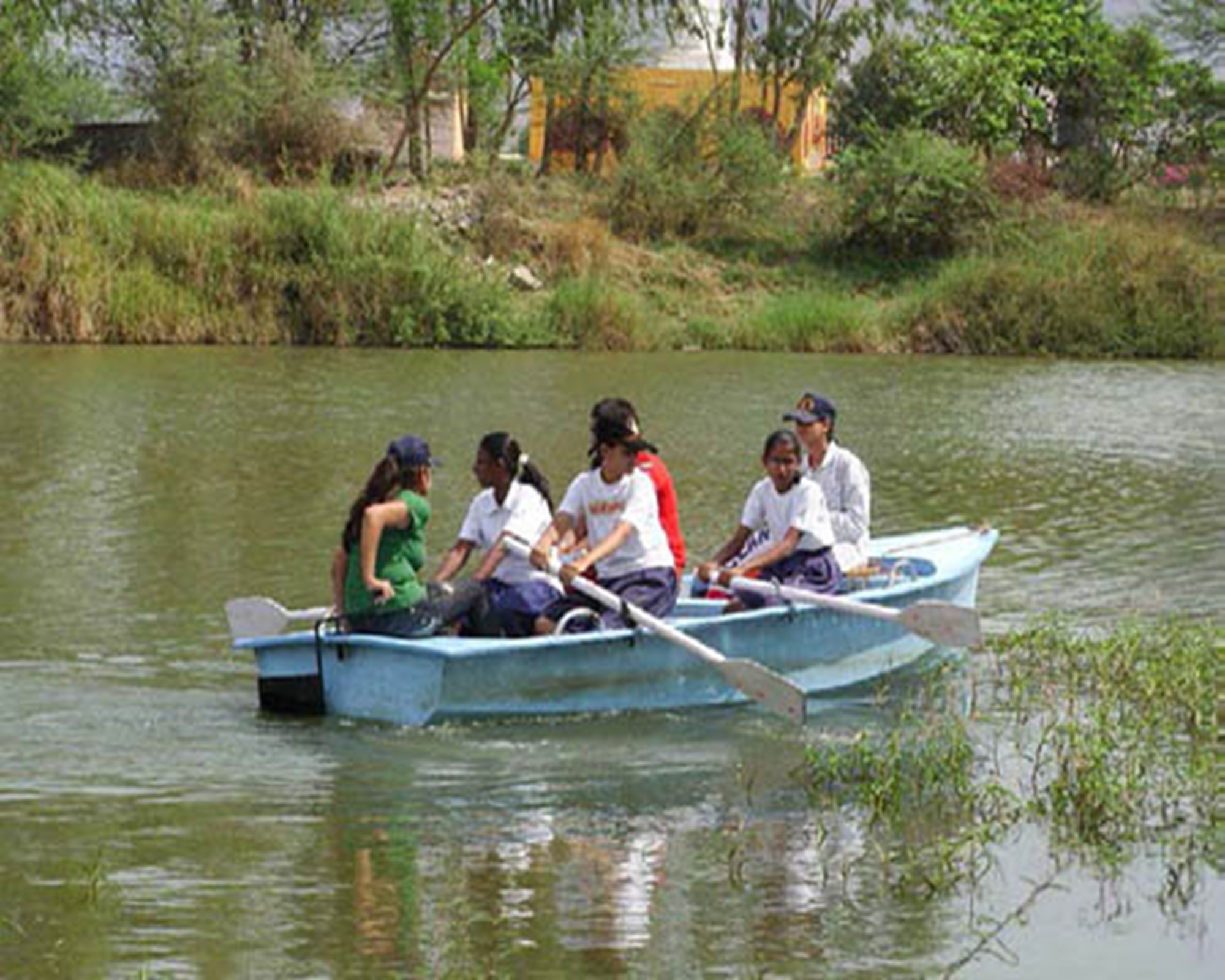
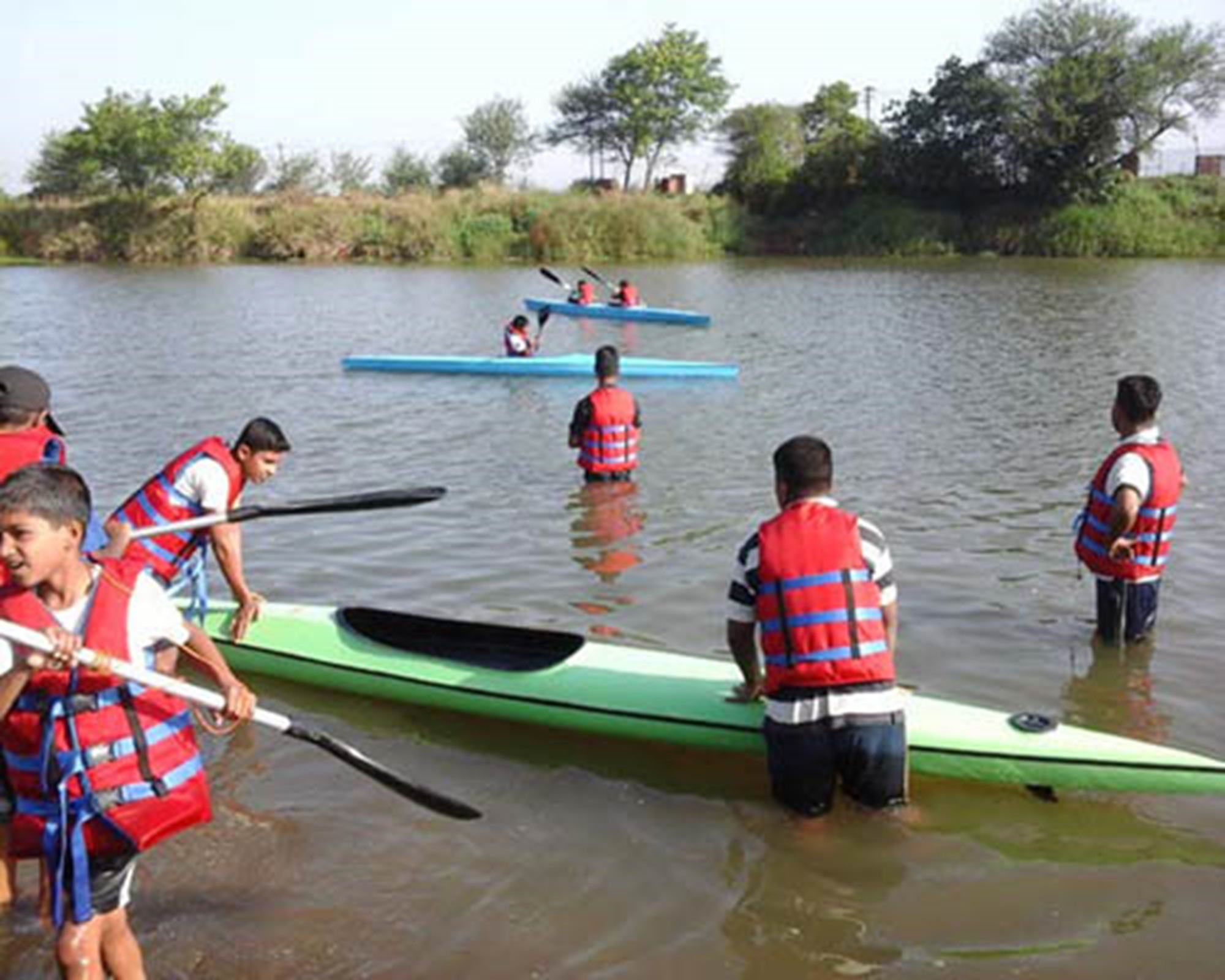
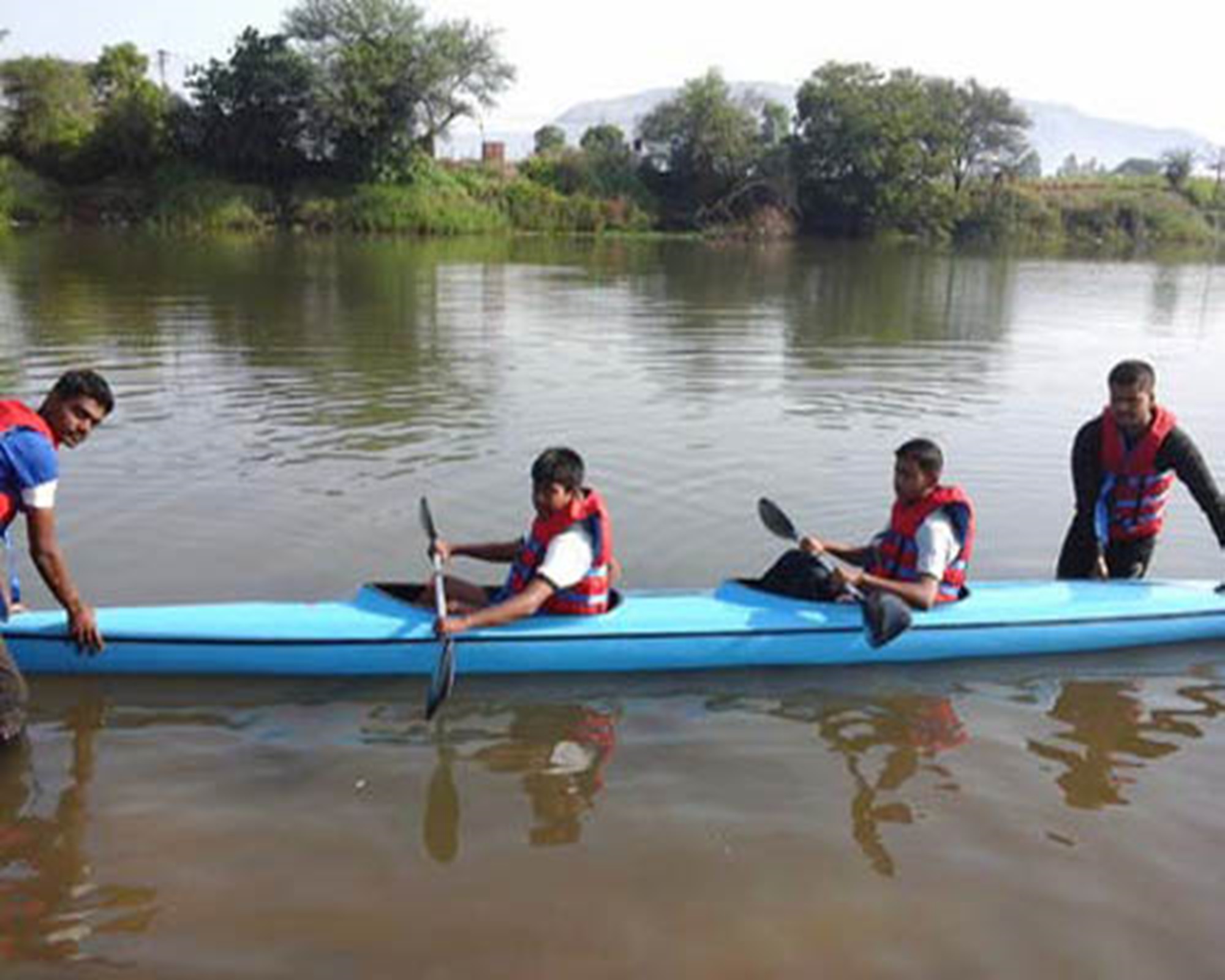
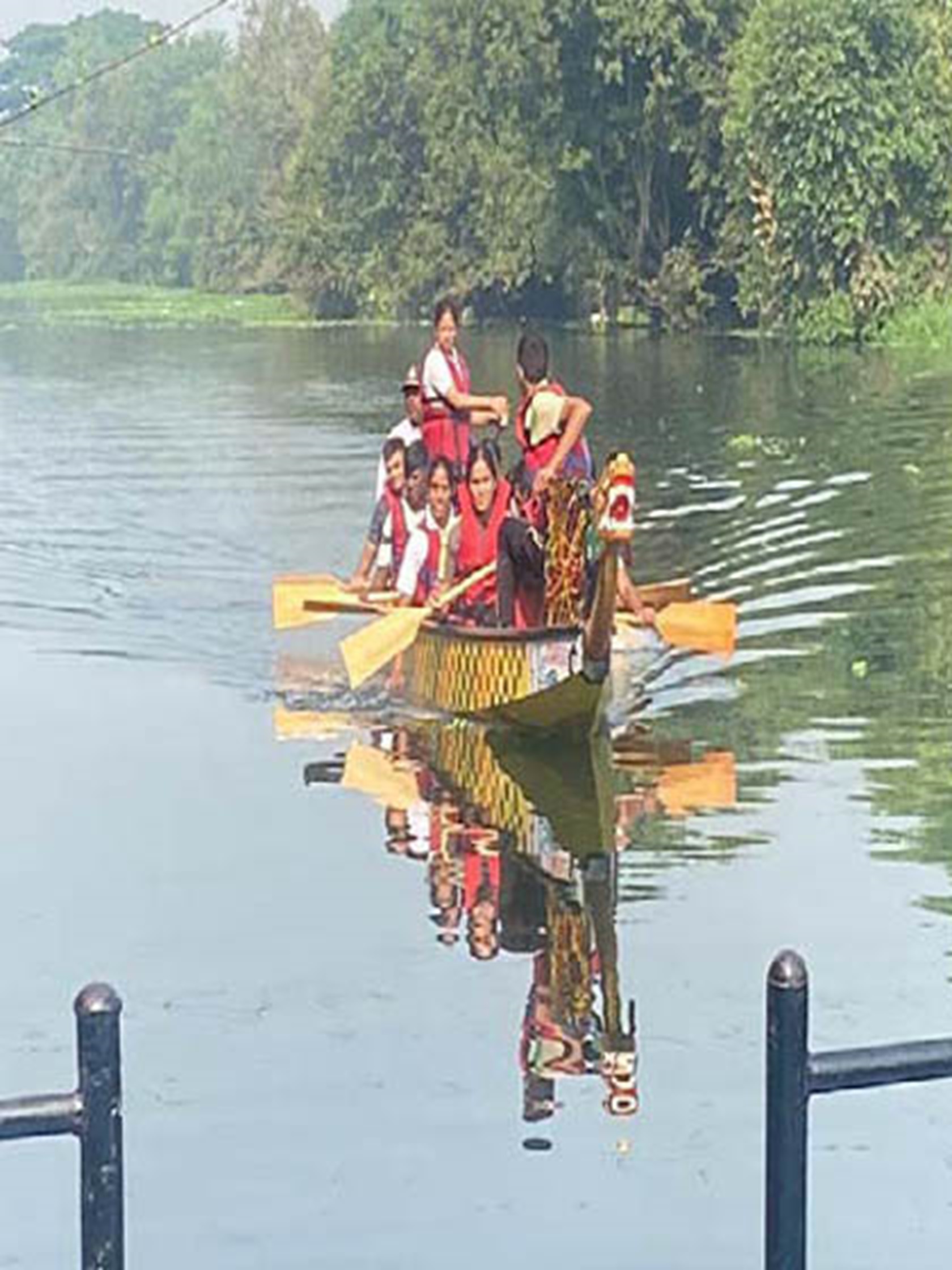
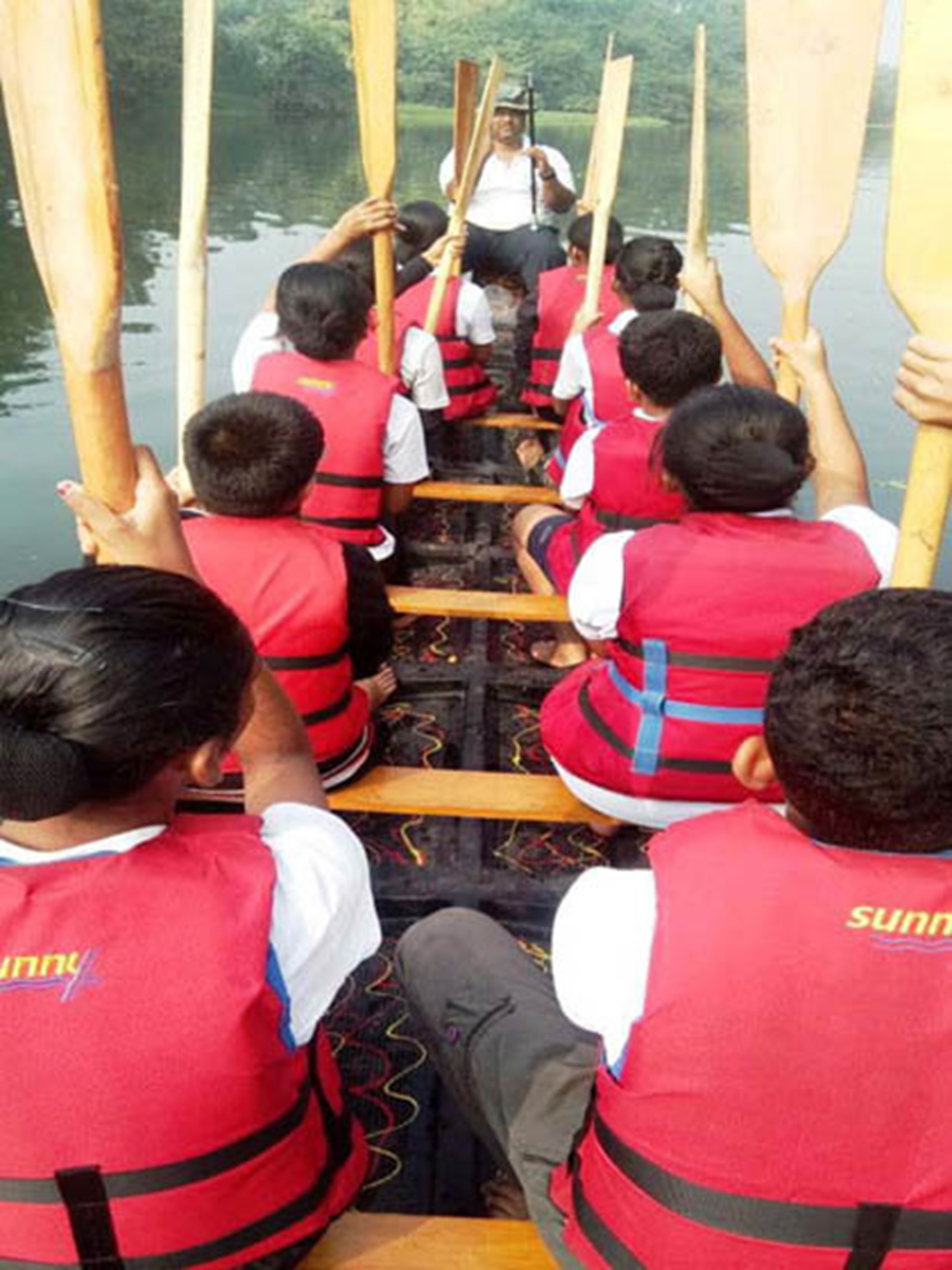
Boating and Water Sports Camps are regularly conducted during school vacations to provide cadets with practical training, adventure, and exposure to maritime activities. Sea Scouts and Guides operates two dedicated Water Sports Training Centres—one at Kamshet, Pune (Maharashtra) and another at Savadi, Karnataka. These centres offer a safe and professional environment for learning a variety of water-based activities, including Rowing, Kayaking, Canoeing, and Dragon Boat Racing.

Rowing

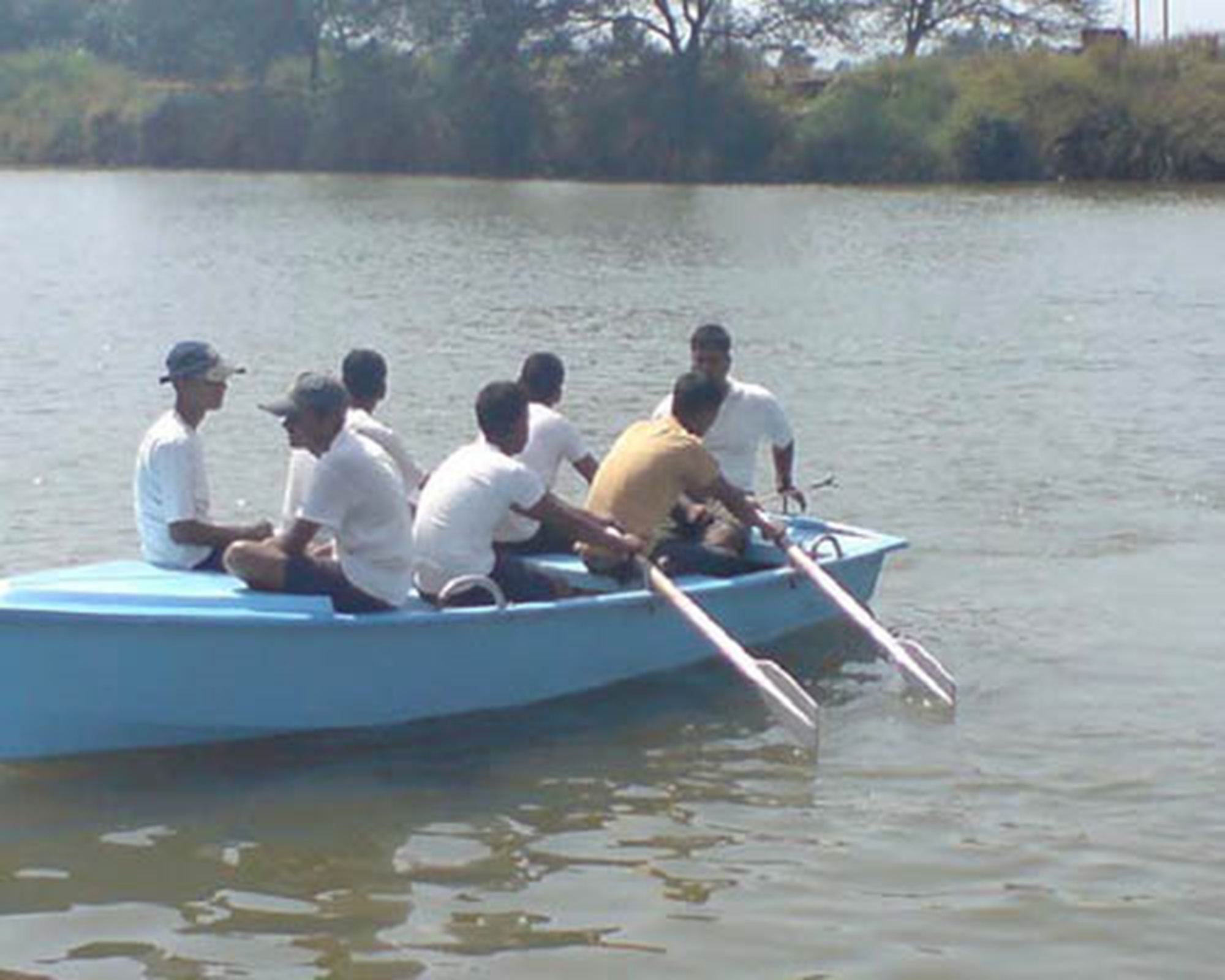
Rowing is one of the fundamental skills taught to Sea Scouts cadets. Training is conducted using Seabird Class Pulling Boats, each crewed by four pullers, one helmsman, and one bowman. Cadets become eligible for rowing training after successfully passing the swimming proficiency test and attaining the rank of Ordinary Cadet.

The rowing syllabus includes:

Water safety and rescue procedures

Proper use of life jackets and safety equipment

Boat pulling techniques

Boat handling and crew coordination

Steering and navigation

Rules of the Road (ROR)

Anchoring and mooring procedures

Securing a boat alongside a jetty or pontoon

This training develops discipline, teamwork, leadership, endurance, and confidence on the water.

Kayaking and Canoeing

Cadets who attain the rank of Able Cadet and successfully pass their rowing examinations are eligible for advanced training in Kayaking and Canoeing. These activities enhance balance, paddling skills, watermanship, and individual boat handling techniques.

Many of our cadets have excelled in these disciplines, with several representing Maharashtra at National Kayaking and Canoeing Championships, bringing recognition and pride to the Sea Scouts and Guides movement.

Through these boating and water sports programmes, Sea Scouts and Guides continues to promote maritime awareness, physical fitness, adventure, and a lifelong appreciation for water-based activities.

image
image
image
image
image
image

DRAGON BOATING

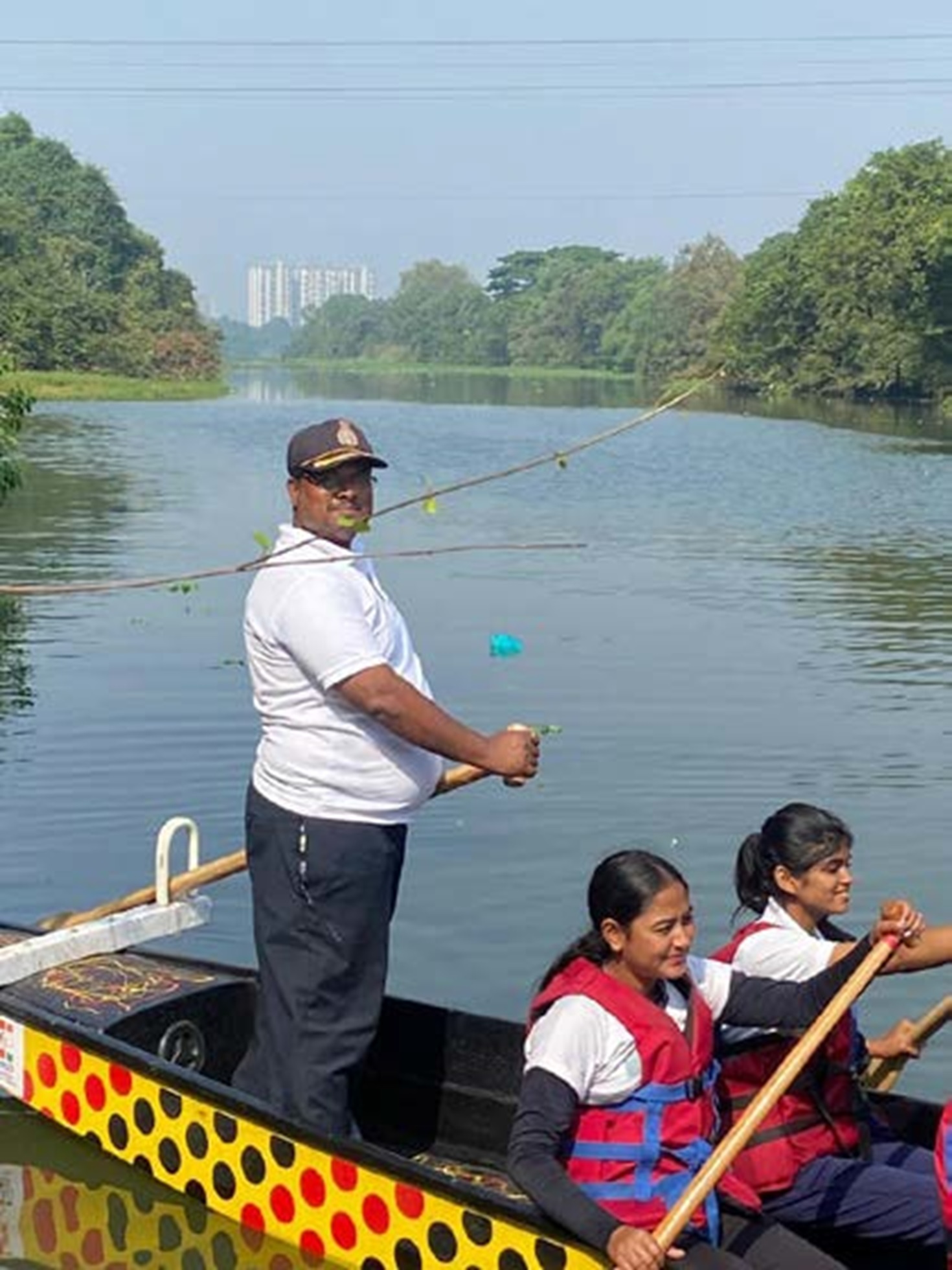
Dragon Boat Racing is one of the most exciting and rapidly growing paddle sports in the world. The sport is governed internationally by the International Dragon Boat Federation (IDBF), a non-governmental and non-profit organization dedicated to promoting dragon boating and related paddle sports. The federation comprises member organizations from over 46 countries, including India.

In India, the sport is administered by the Dragon Boat Federation of India (DBFI). To promote the sport among young people, Sea Scouts and Guides has established its own Sea Scouts Dragon Boat Association, providing systematic training and opportunities for competition at various levels.

The achievements of our cadets have been remarkable. At the National Dragon Boat Championship organized by the Dragon Boat Federation of India at Moga, Punjab, in 2026, Sea Scouts and Guides cadets won an impressive tally of one Gold Medal, two Silver Medals, and three Bronze Medals, bringing great pride to the organization.

Mr. Gopi Shetty, Founder of Sea Scouts and Guides, is also actively involved in the development of the sport and serves as the Secretary of the Dragon Boat Association of Maharashtra, contributing significantly to the promotion of dragon boating and paddle sports across the state.

image
image
image
image
image
image

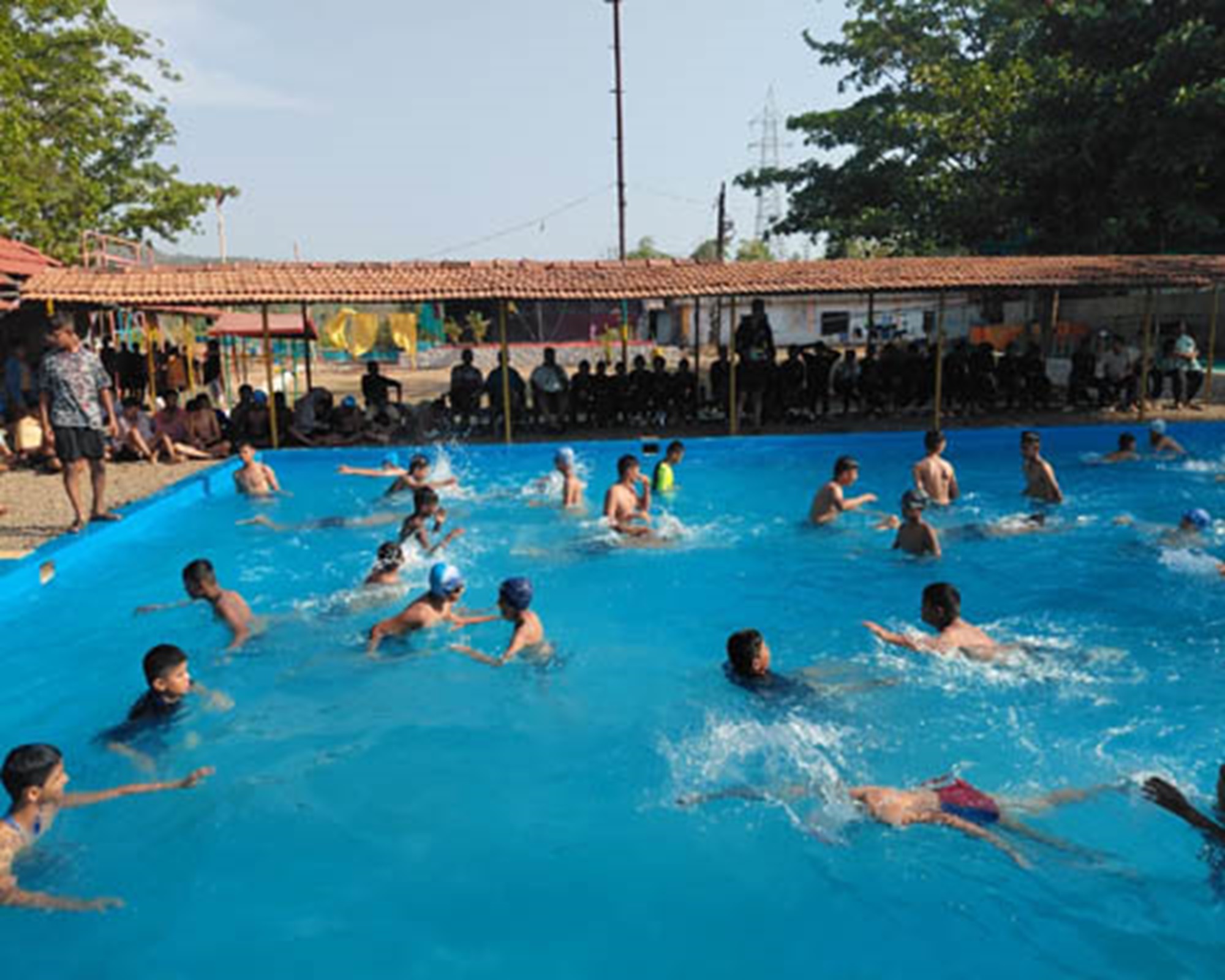
SWIMMING

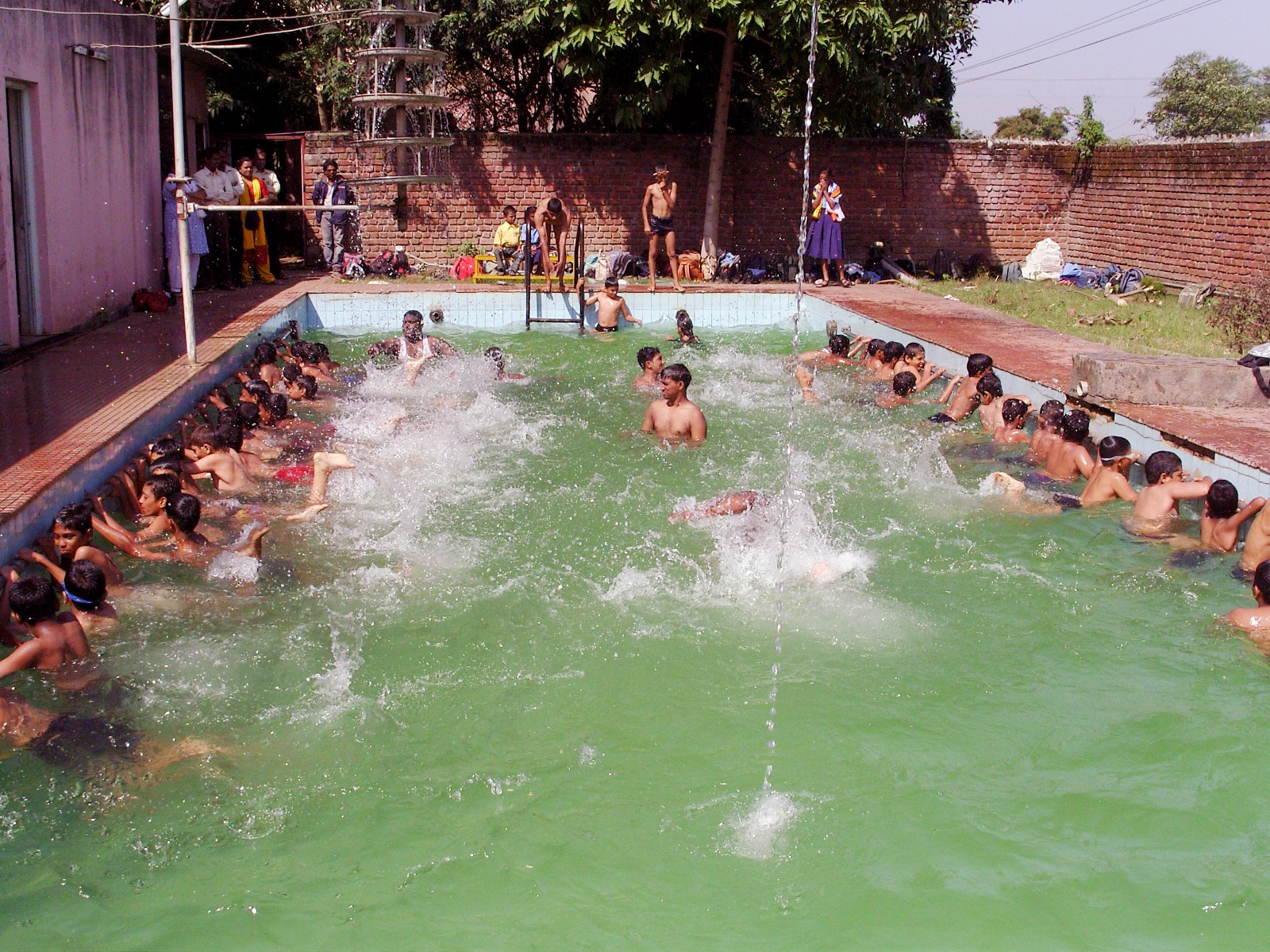
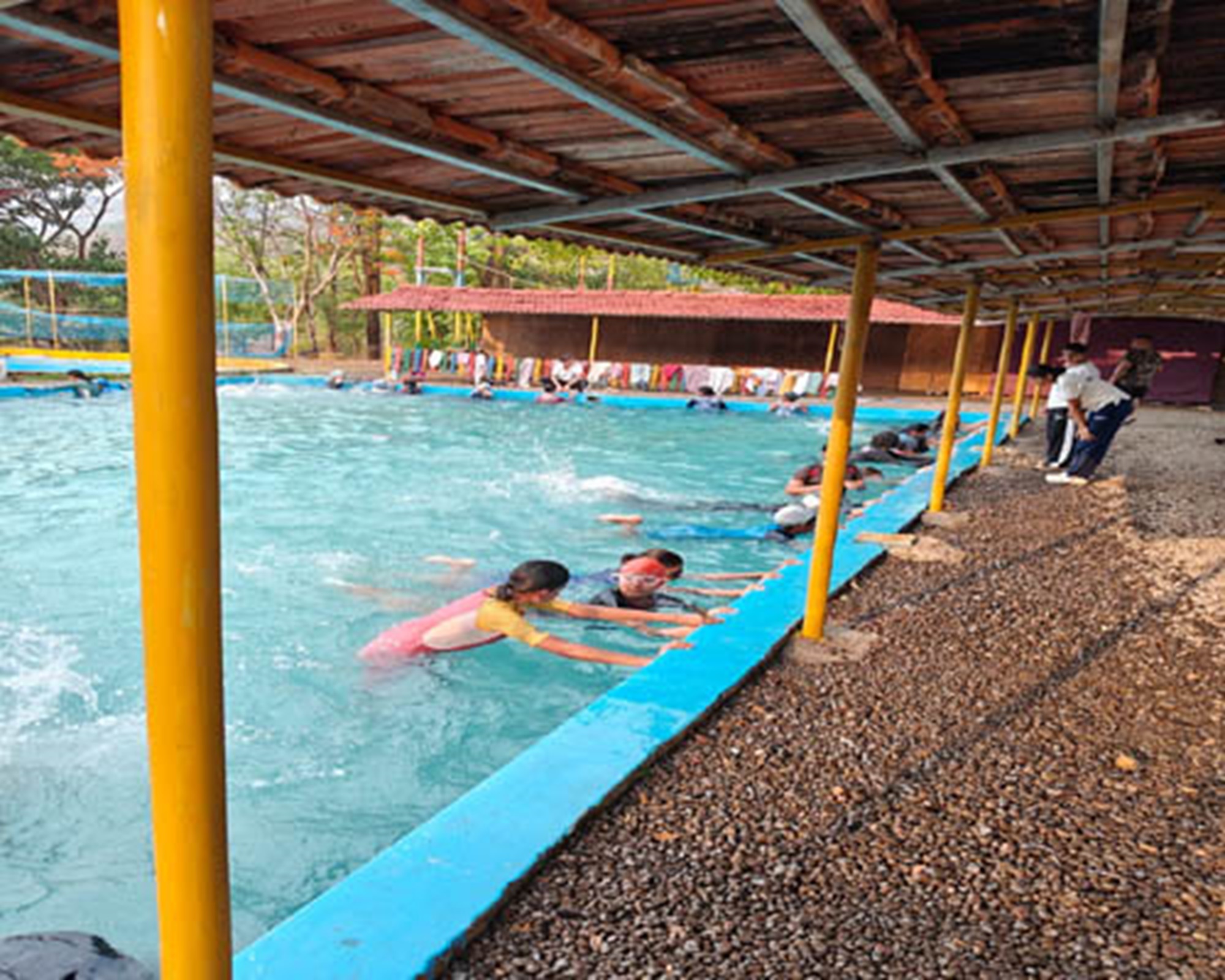
Swimming is one of the most essential skills for every Sea Scout and Guide. Regular Swimming Camps are conducted throughout the year to ensure that cadets acquire the necessary swimming proficiency before participating in other water-based activities such as Boating, Kayaking, Life Saving, River Crossing, and Water Rescue Operations. These camps help build confidence in the water, improve physical fitness, and promote water safety awareness.

Swimming Examination

Cadets are required to pass swimming proficiency tests according to their rank:

New Entries: Swim 20 metres Breaststroke

Ordinary Cadets and Able Cadets: Swim 30 metres Breaststroke

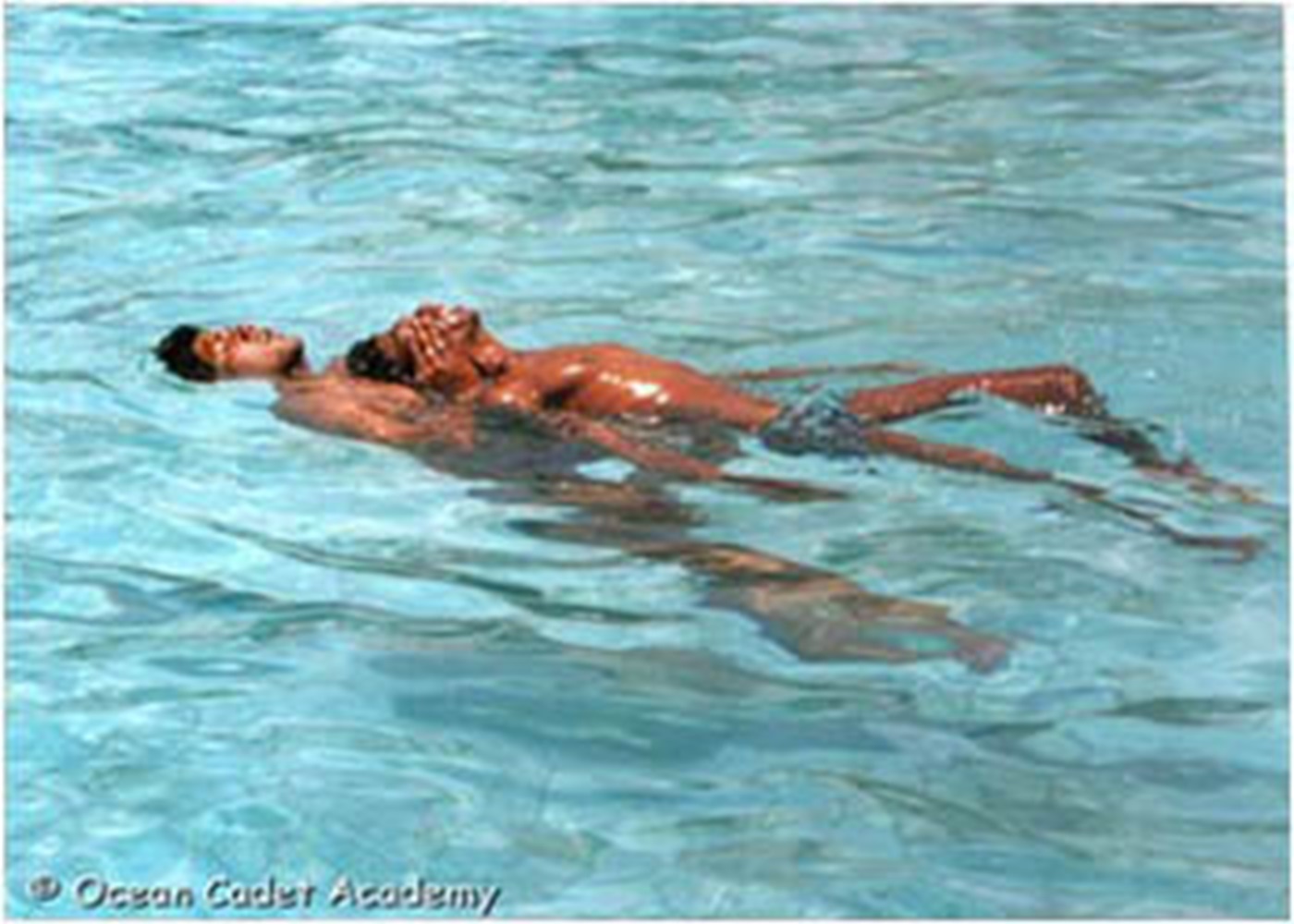
Leading Cadets and Above: Swim 30 metres Breaststroke, 20 metres Backstroke, and demonstrate 3 minutes of floating

These examinations are conducted by the National Technical Team of Ocean Cadet Academy’s Sea Scouts and Guides, ensuring that all cadets meet the required standards of watermanship and safety.

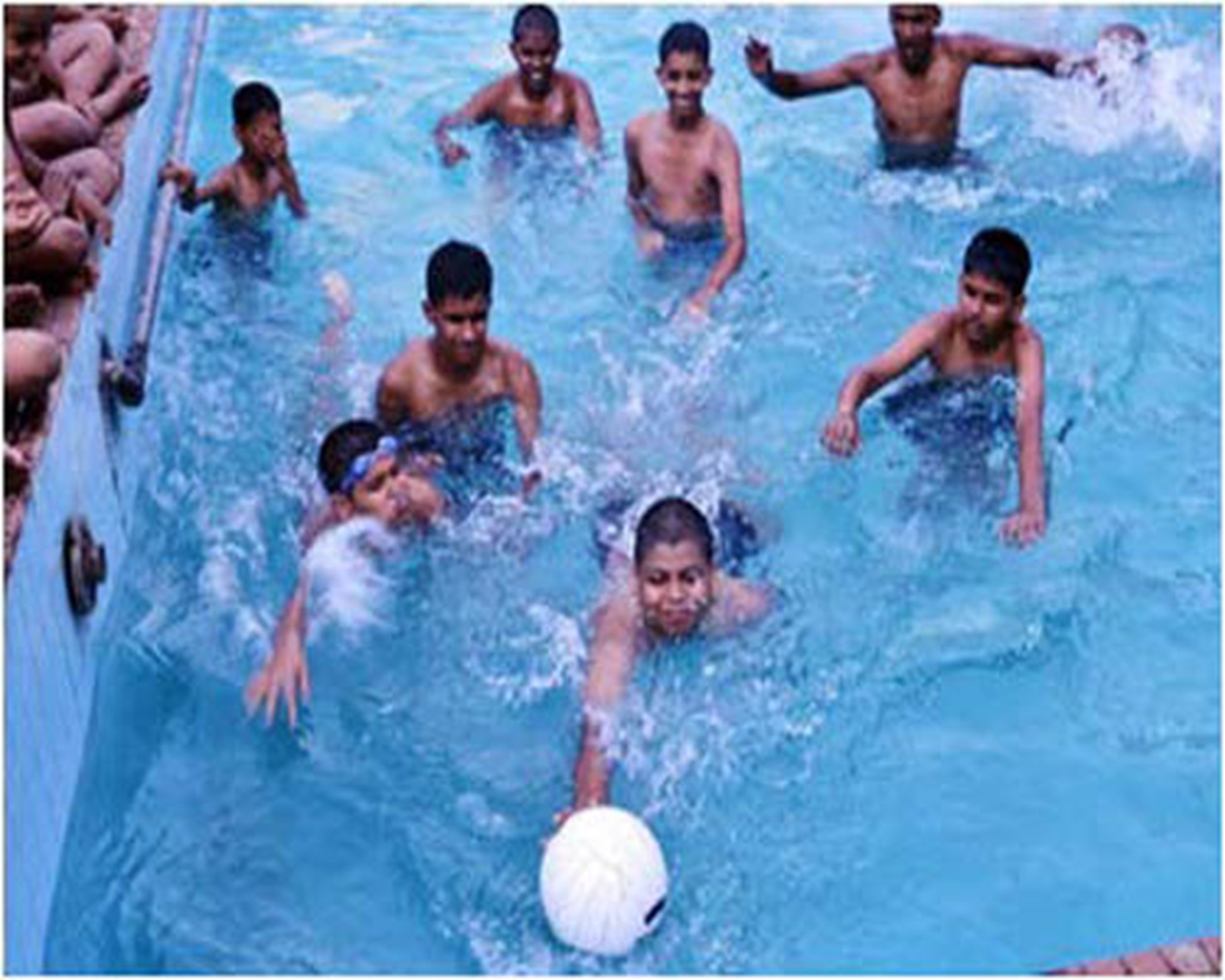
Water Polo

One of the most exciting and eagerly awaited activities during our Annual Training Camps is Water Polo. This fast-paced team sport combines swimming skills, strategy, teamwork, and endurance, making it both challenging and enjoyable for cadets. Water Polo not only enhances swimming ability but also develops leadership, coordination, sportsmanship, and team spirit among participants.

Through structured swimming training and competitive water sports, Sea Scouts and Guides prepares cadets to become confident, skilled, and safety-conscious individuals capable of undertaking a wide range of maritime and adventure activities.

image
image
image
image
image
image

YOGA

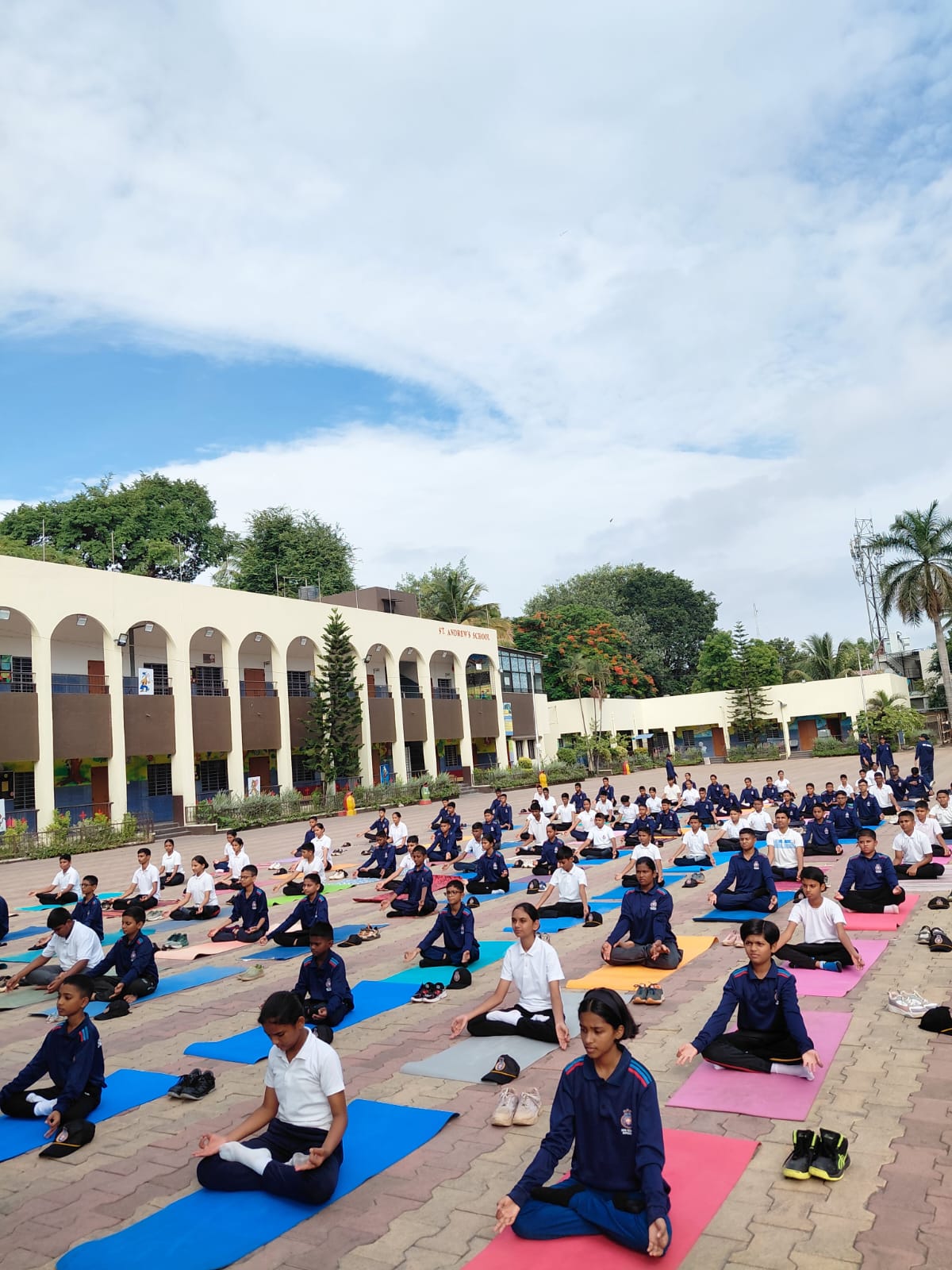
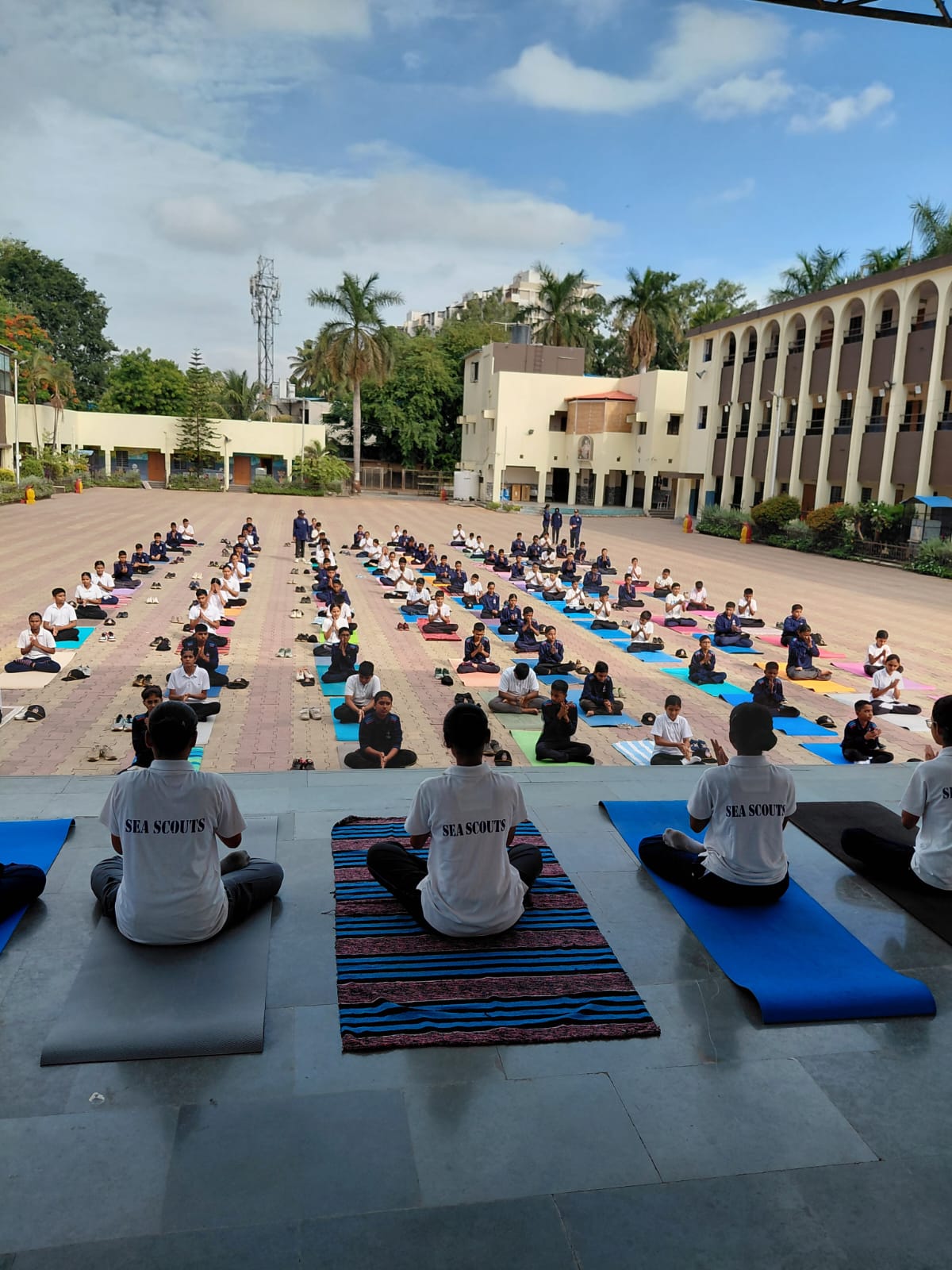
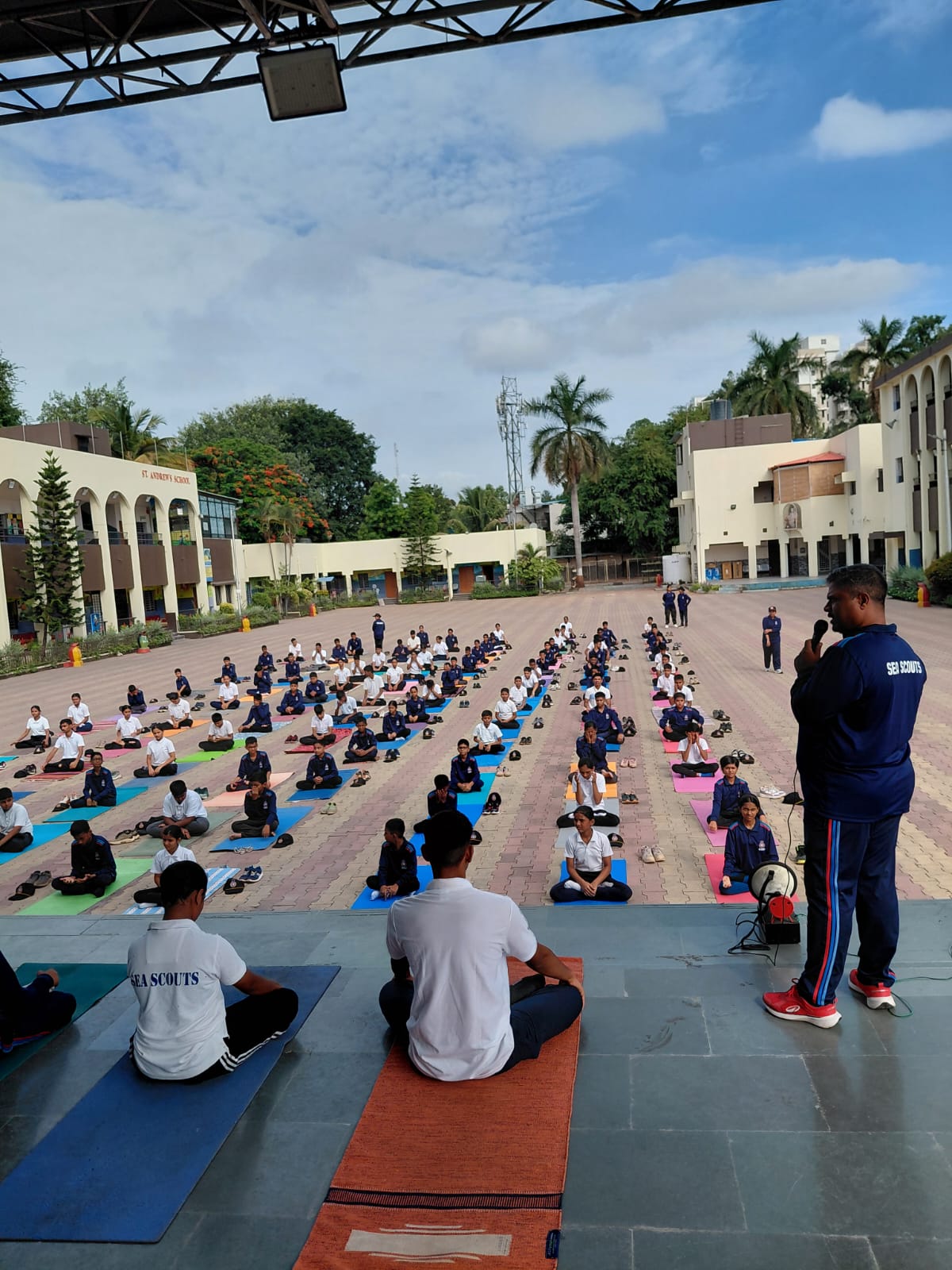
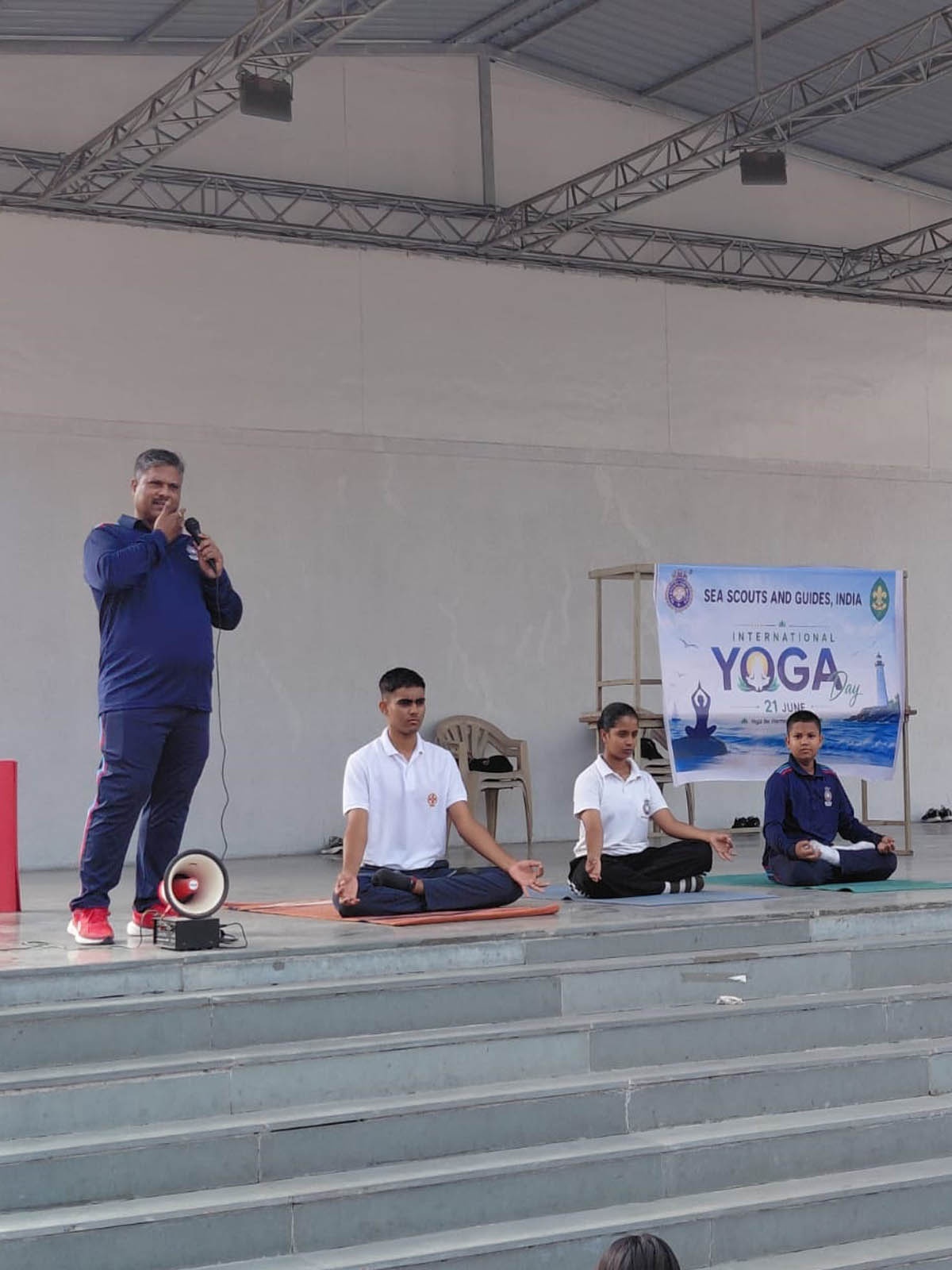
Yoga is an ancient discipline of India that promotes the harmonious development of the body, mind, and spirit. Through a combination of physical postures, breathing techniques, and meditation, Yoga helps improve physical fitness, mental concentration, emotional balance, and overall well-being. It is a powerful tool for maintaining good health and leading a disciplined lifestyle.

At Sea Scouts and Guides, Yoga forms an integral part of the training programme. Cadets are taught various Asanas (Yoga Postures), Pranayama (Breathing Exercises), and especially Surya Namaskar (Sun Salutation) during camps and training sessions. These practices help enhance flexibility, strength, endurance, concentration, and self-confidence.

Yoga sessions are conducted by qualified and certified Yoga instructors who guide cadets in the correct techniques and encourage them to adopt Yoga as a part of their daily routine. The programme aims to develop not only physical fitness but also mental resilience and inner discipline.

Our cadets actively participate in the celebration of International Day of Yoga, observed every year on 21 June since 2015. Through these activities, Sea Scouts and Guides promotes the values of healthy living, self-discipline, and holistic development among young people.

image
image
image
image
image
image

INTERNATIONAL COASTAL CLEANUP AND SWATCH BHARAT ABHIYAAN

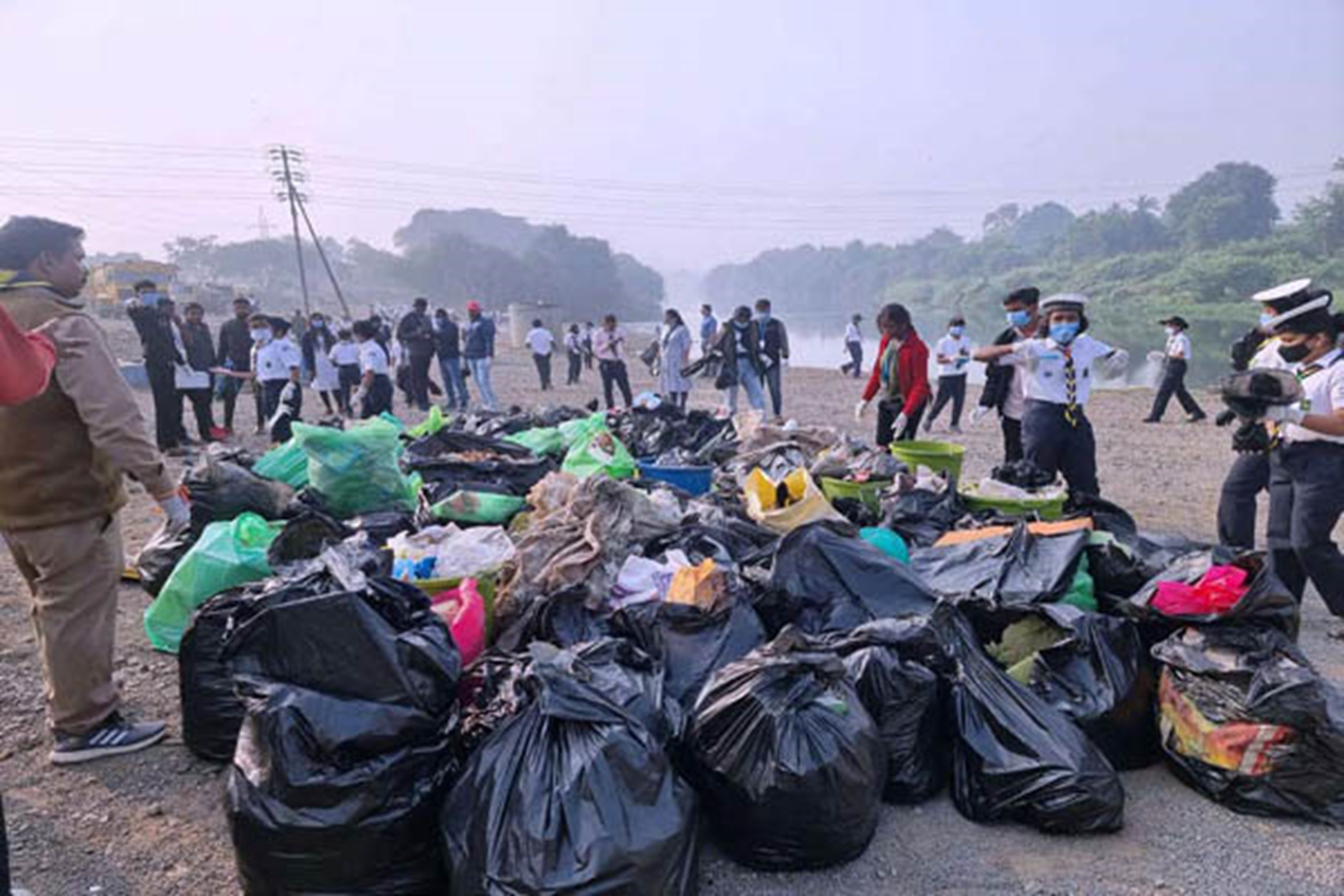
The International Coastal Cleanup (ICC) is the world's largest and longest-running volunteer initiative dedicated to protecting and preserving the marine environment. Every year, millions of volunteers across the globe participate in cleaning beaches, rivers, lakes, streams, and other waterfront areas by removing litter, plastic waste, and marine debris from shorelines and underwater habitats. The programme not only improves the environment but also raises awareness about the impact of pollution on marine ecosystems.

Sea Scouts and Guides has been actively involved in environmental conservation through the International Coastal Cleanup movement. In association with the Indian Maritime Foundation, and coordinated by the Pimpri Chinchwad Municipal Corporation (PCMC), Sea Scouts and Guides participated in the cleanup campaign for the first time in September 2005. The initiative proved highly successful in creating awareness and encouraging community participation in keeping water bodies and public spaces clean.

For over 15 years, our cadets have regularly conducted cleanup drives at Ravet, Pradhikaran, and Nigdi, removing waste and educating local communities about environmental responsibility. These activities help develop a sense of civic duty, leadership, and environmental stewardship among our cadets.

In addition to coastal and shoreline cleanups, our cadets actively participate in the Swachh Bharat Abhiyan every year, contributing towards the national mission of cleanliness and sustainable living. Through these programmes, Sea Scouts and Guides continues to inspire young people to become responsible citizens committed to protecting the environment for future generations.

image
image
image
image
image
image

TREKKING AND CYCLE EXPEDETIONS

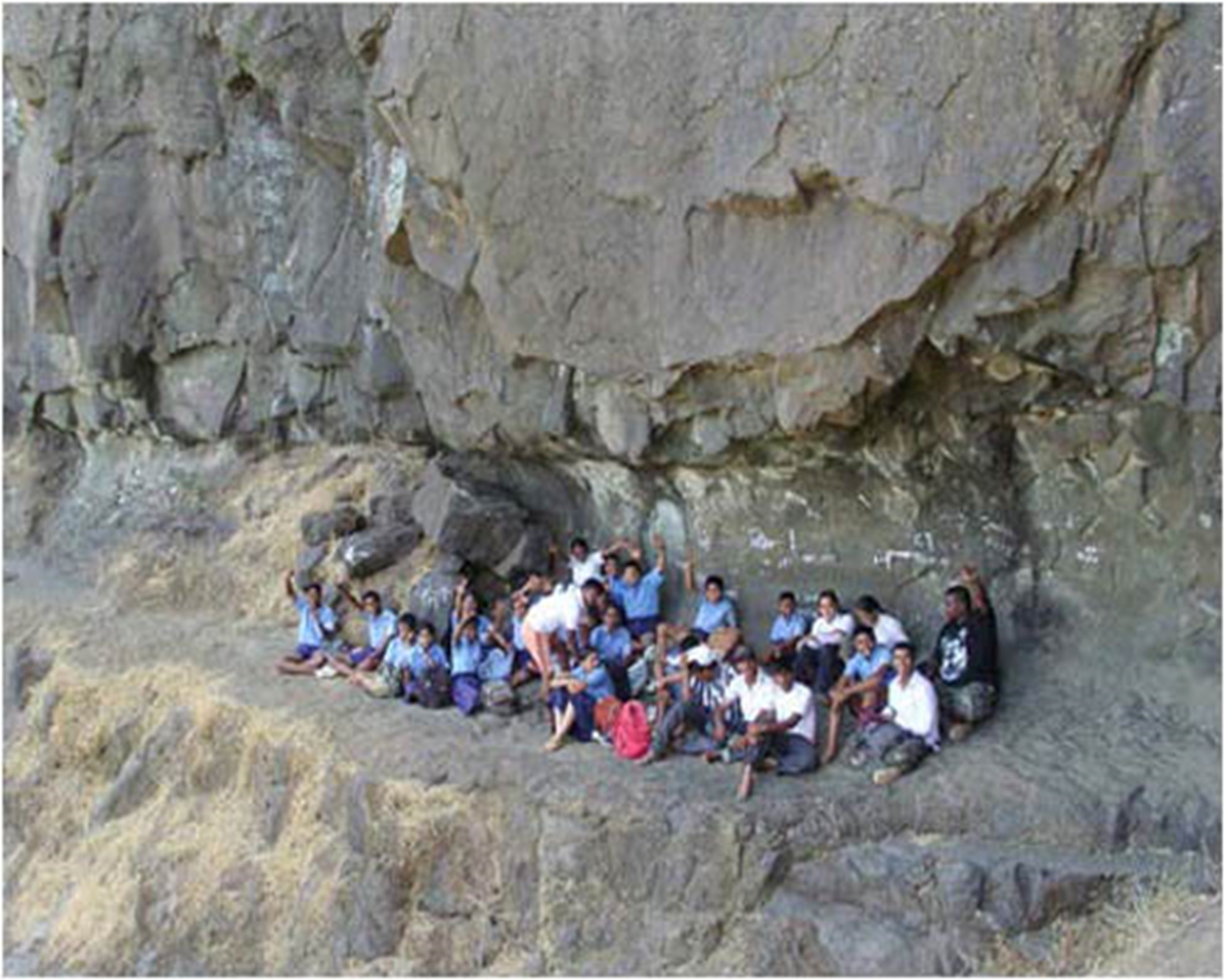
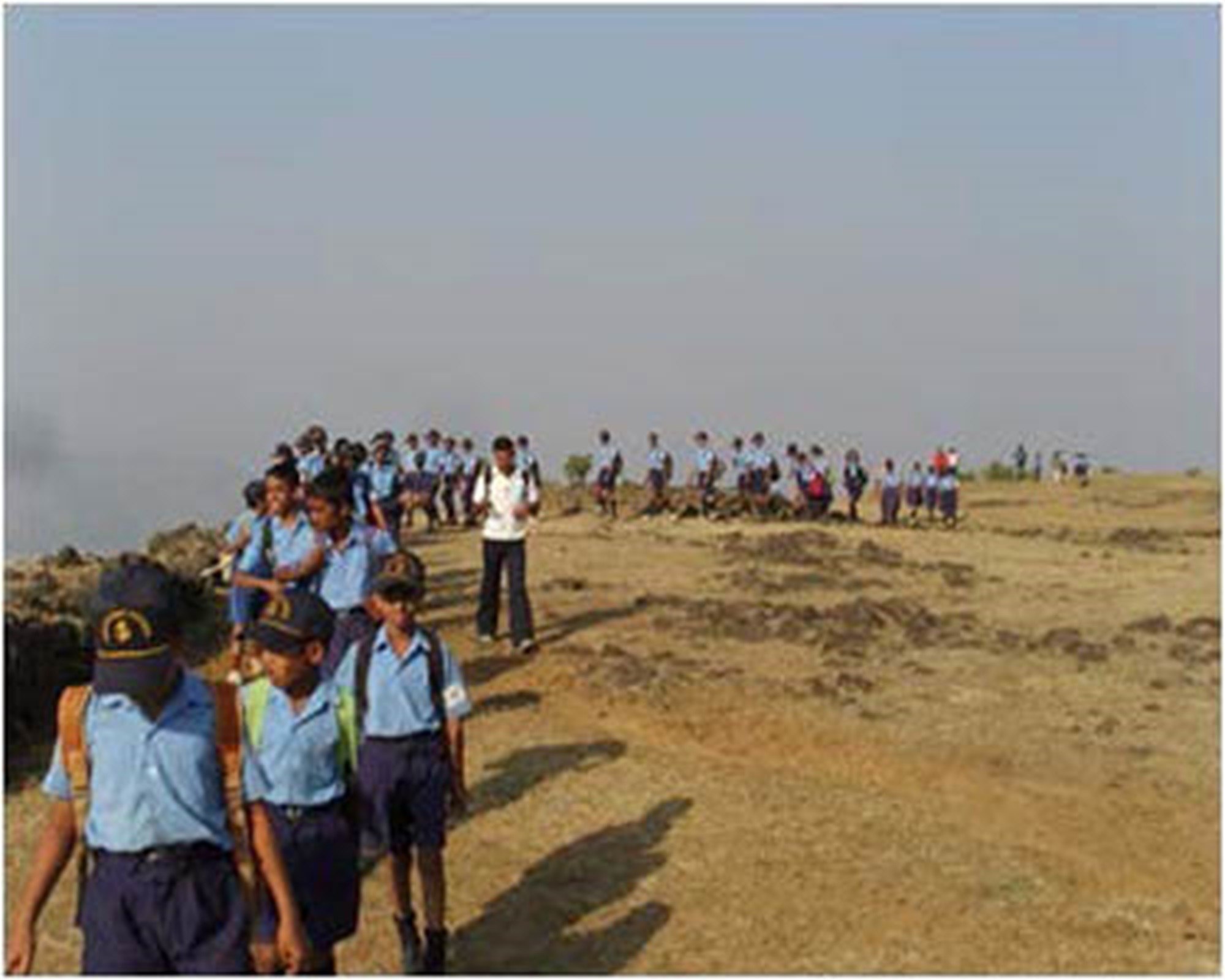
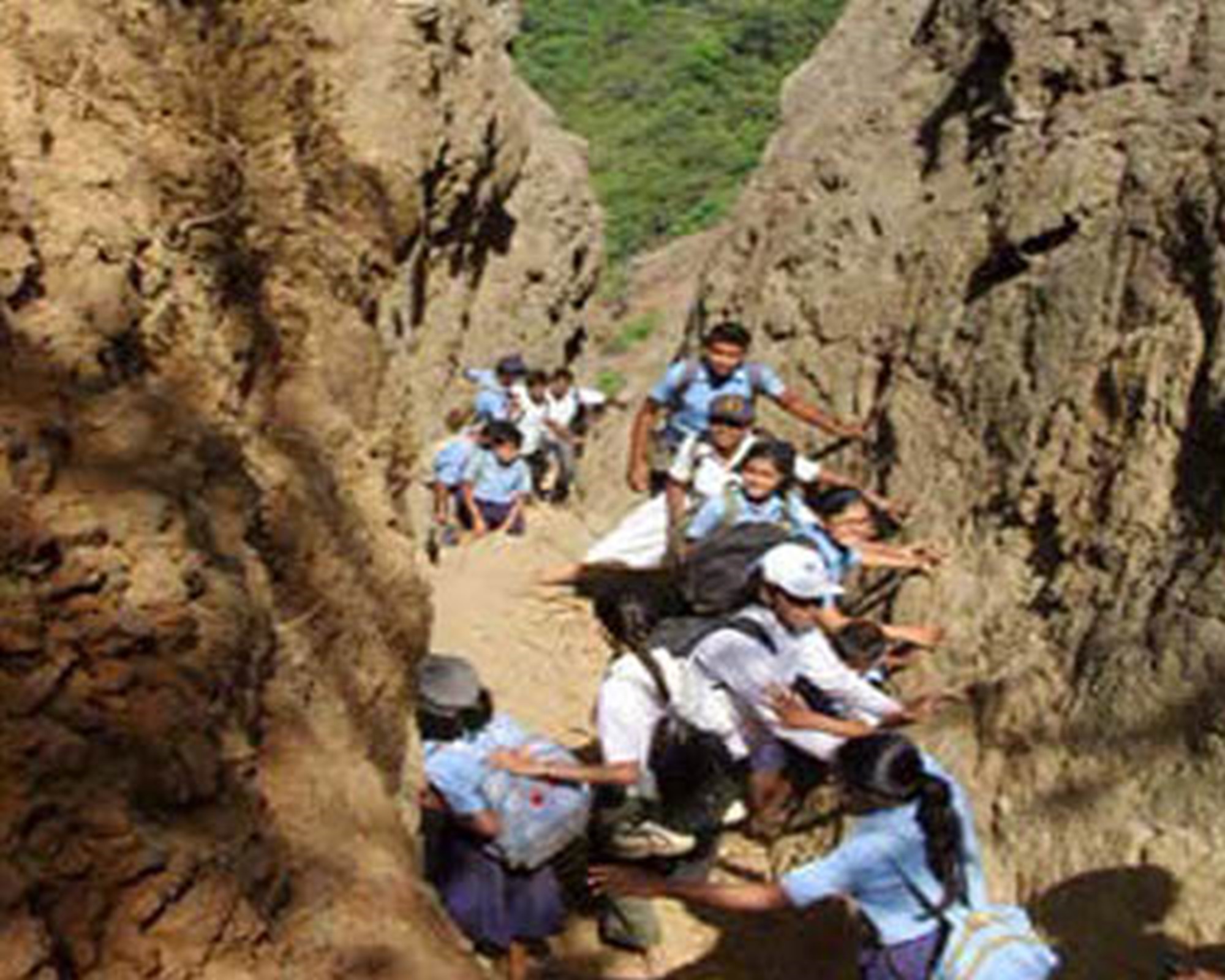
Trekking is an important part of the Sea Scouts and Guides training curriculum, providing cadets with opportunities to develop physical fitness, endurance, leadership, teamwork, and a spirit of adventure. Regular treks are organized to some of the most historic and scenic forts in and around Pune, including Lohagad Fort, Visapur Fort, Tungi Fort, Dhak Bahiri, Tikona Fort, Rajmachi Fort, Sinhagad Fort, and many other destinations.

These treks help cadets appreciate India's rich heritage while developing confidence, self-reliance, navigation skills, and environmental awareness. Trekking also encourages cadets to face challenges, work as a team, and build resilience in outdoor conditions.

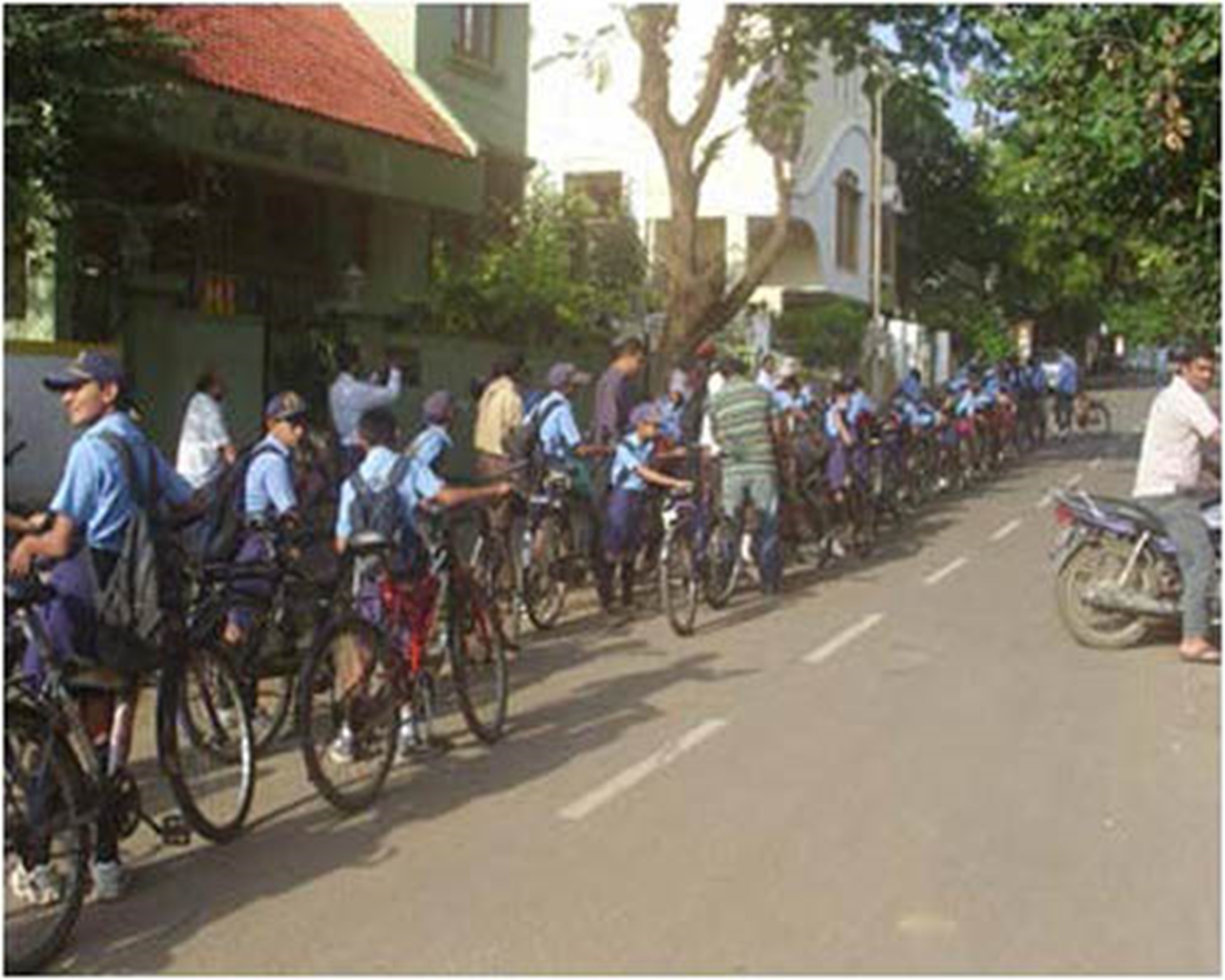
In addition to trekking, Cycling Expeditions are organized periodically for cadets. These expeditions promote physical fitness, discipline, and adventure while encouraging young people to adopt cycling as an eco-friendly mode of transport in their daily lives. Through cycling activities, cadets learn the importance of reducing pollution, conserving energy, and contributing towards a cleaner and healthier environment.

Both trekking and cycling programmes play a vital role in developing well-rounded, responsible, and environmentally conscious citizens who are prepared to meet challenges with confidence and determination.

image
image
image
image
image
image

SELF DEFENCE

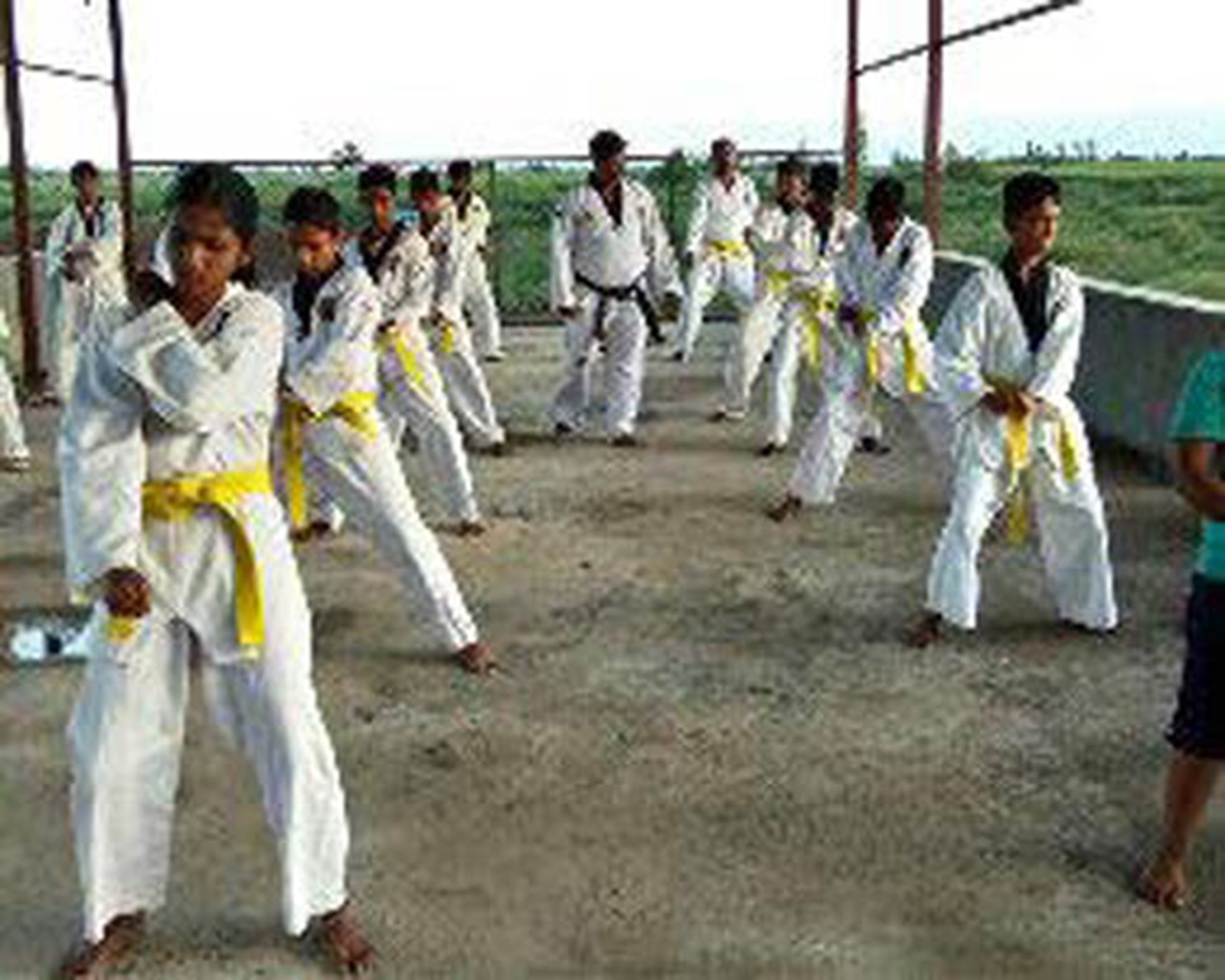
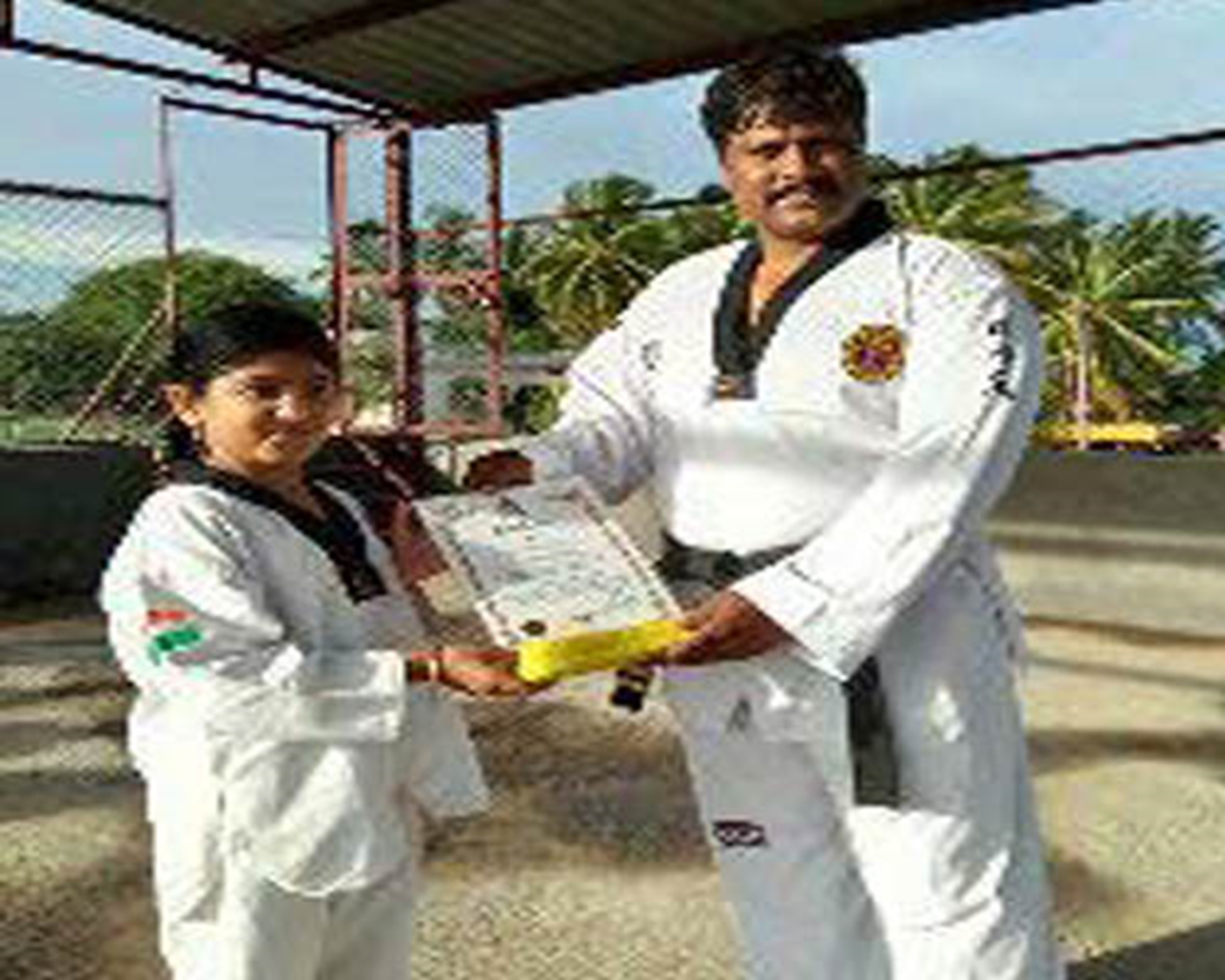
In recent years, the Government of India has strongly encouraged self-defence training for girls and women to enhance their confidence, safety, and personal security. Recognizing the importance of these skills, Sea Scouts and Guides has incorporated Taekwondo into its training programme for all cadets.

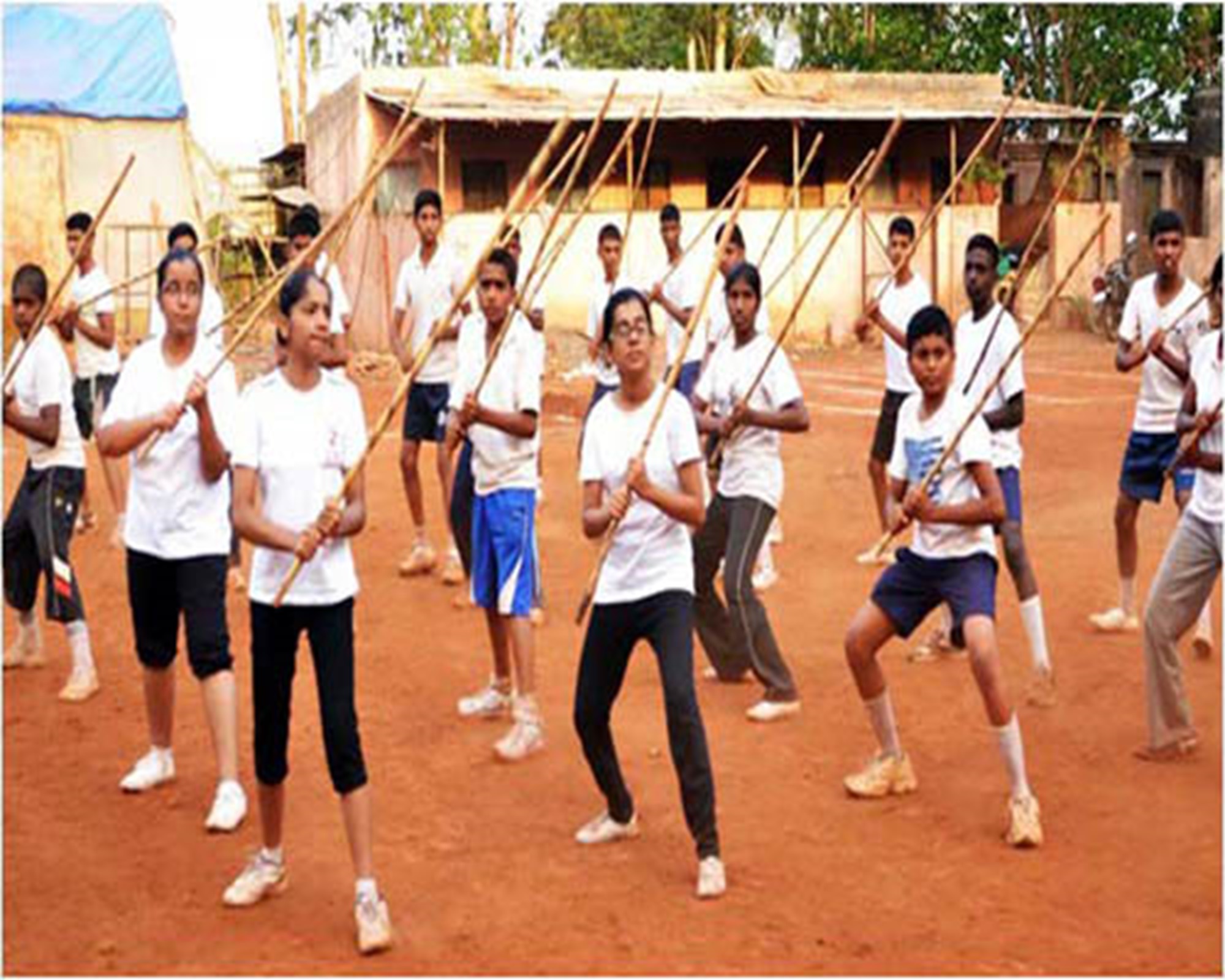
Self-defence training is conducted during Annual Training Camps as well as on weekends under the guidance of qualified instructors. Through Taekwondo, cadets learn effective self-defence techniques, physical fitness, discipline, concentration, and mental resilience. The training also helps develop self-confidence, leadership qualities, and a positive attitude towards personal safety.

Special emphasis is placed on empowering girls and young women with practical self-defence skills that enable them to respond confidently in challenging situations. Regular practice sessions, demonstrations, and grading examinations motivate cadets to achieve higher levels of proficiency in the martial art.

Sea Scouts and Guides believes that self-defence education is an essential life skill, helping young people become physically fit, mentally strong, disciplined, and capable of protecting themselves while contributing positively to society.

image
image
image
image
image
image

Educational and Motivational Visits

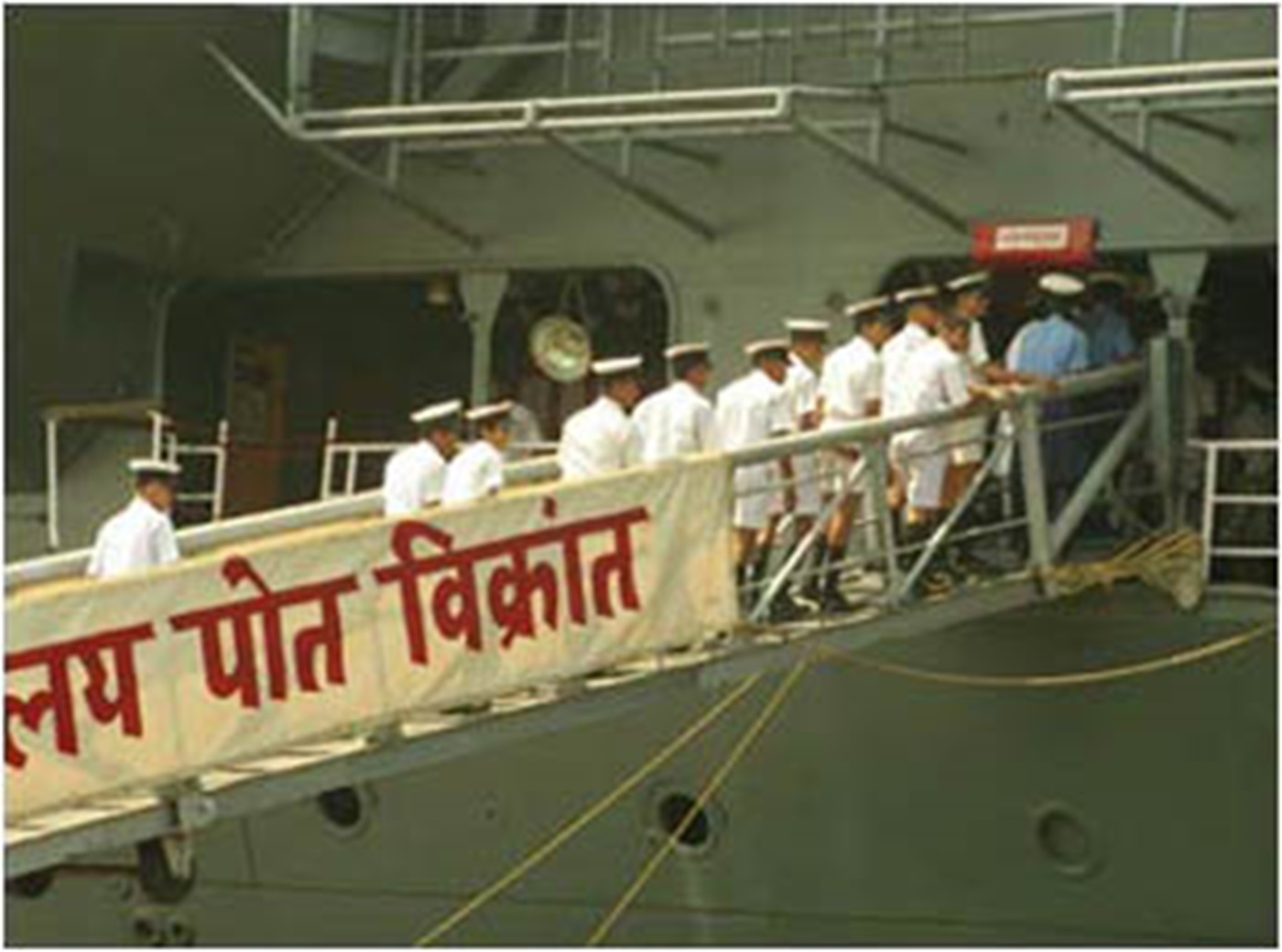
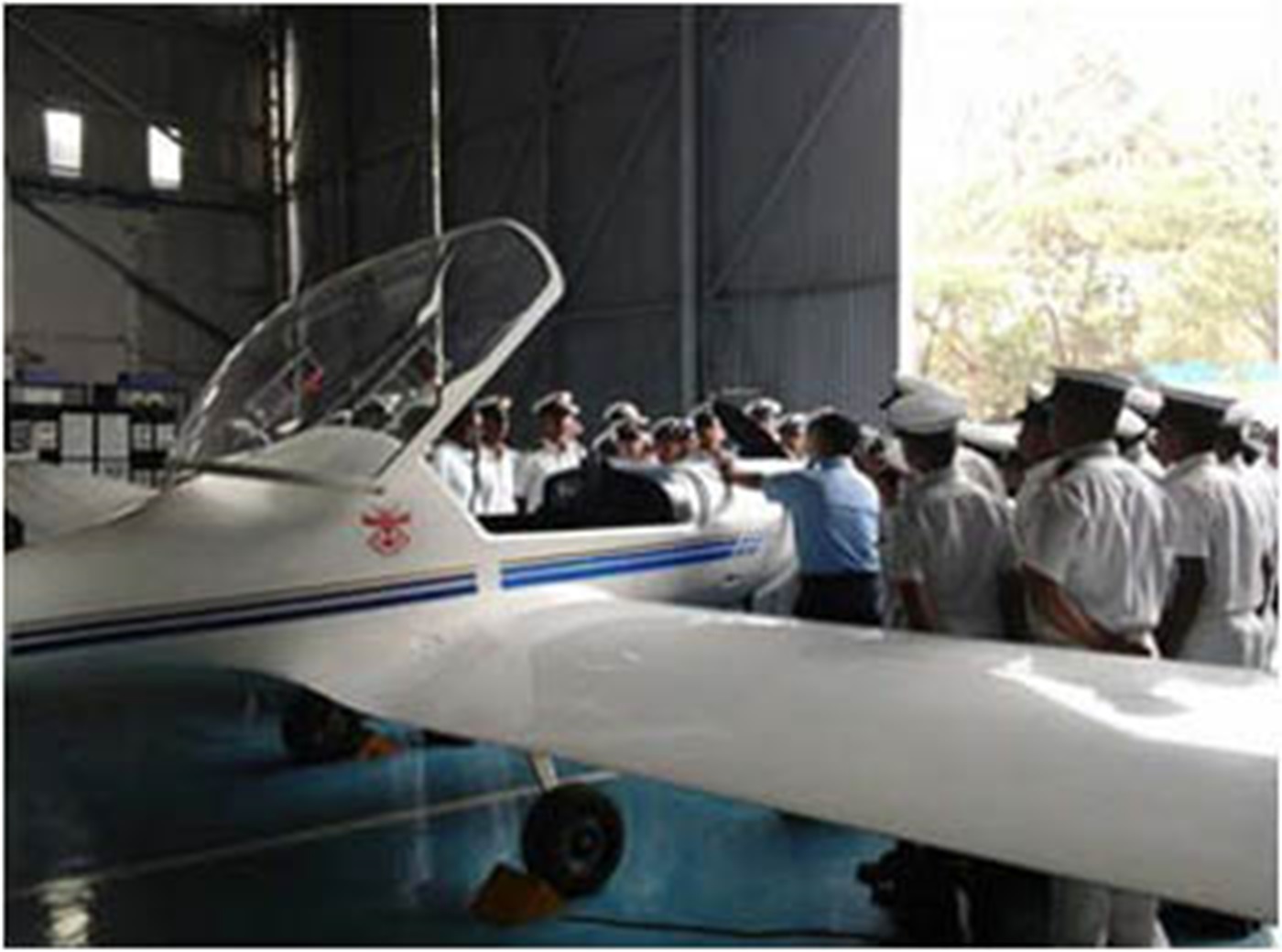
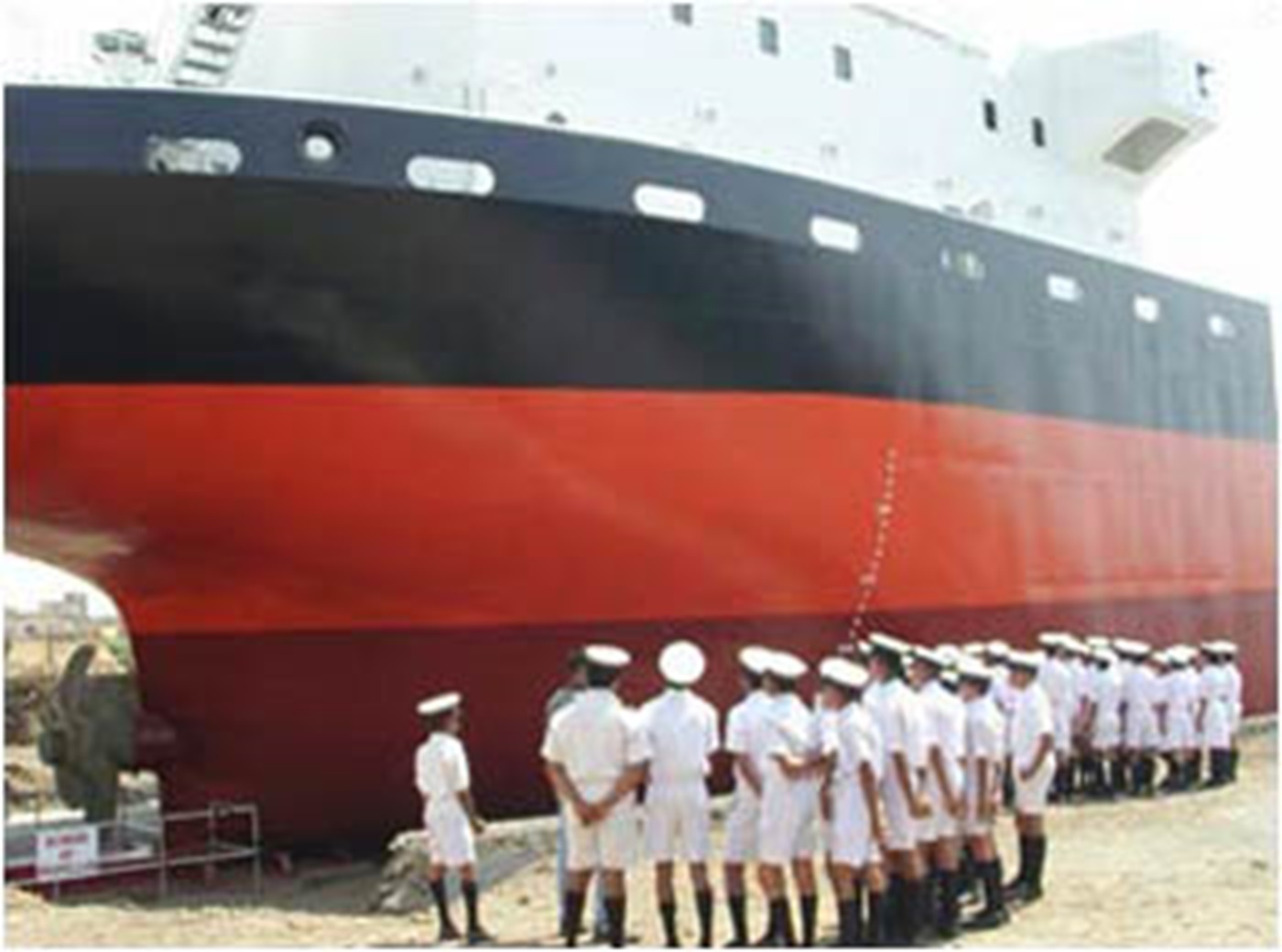
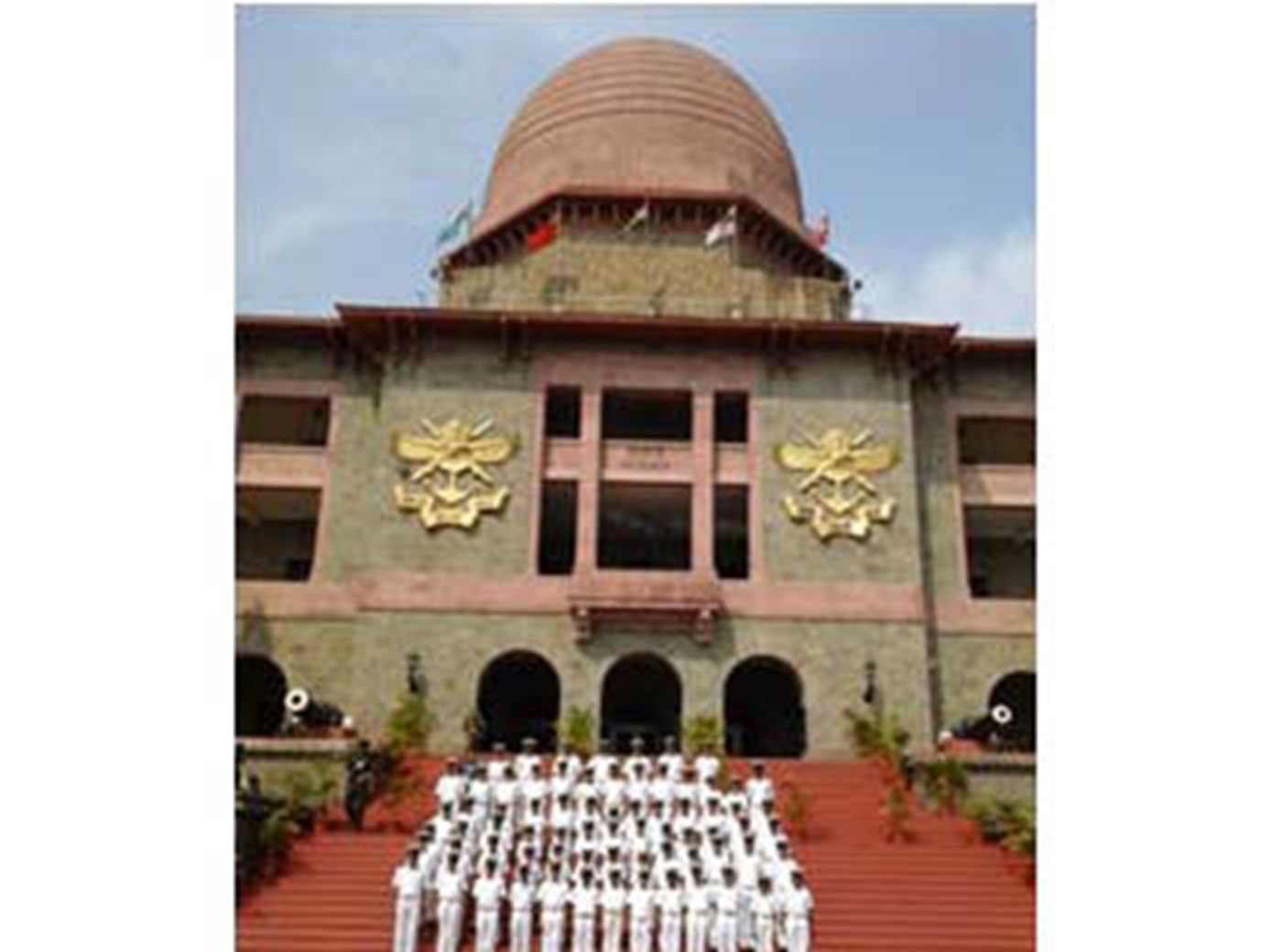
To encourage greater interest in the Armed Forces, maritime careers, and other uniformed services, Sea Scouts and Guides regularly organizes educational and motivational visits for cadets. These visits provide firsthand exposure to the functioning, discipline, and career opportunities available in the defence and maritime sectors.

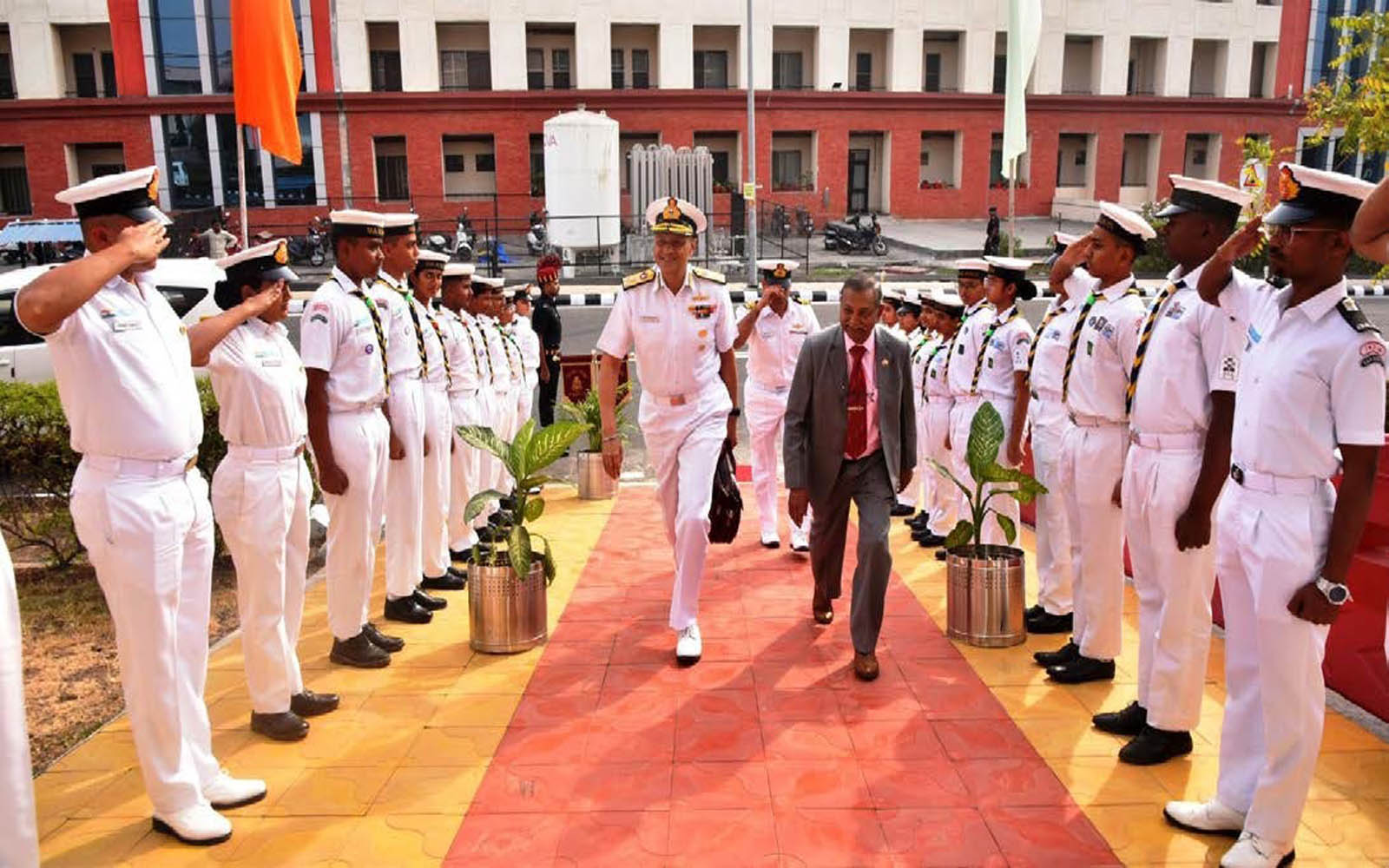
Cadets are taken on guided visits to prestigious institutions and establishments such as the Naval Dockyard, Merchant Navy Training Institutes, the Southern Command, and the National Defence Academy (NDA). During these visits, cadets interact with serving personnel, observe training facilities, and gain valuable insights into the life and responsibilities of defence and maritime professionals.

SThese exposure visits inspire cadets to consider careers in the Indian Navy, Indian Coast Guard, Merchant Navy, Indian Army, and other maritime and defence-related professions. They also help develop patriotism, leadership qualities, discipline, and a deeper understanding of the vital role played by the Armed Forces in safeguarding the nation.

Through such initiatives, Sea Scouts and Guides motivates young people to pursue challenging and rewarding careers while fostering a strong sense of national pride and service.

image
image
image
image
image
image

ANNUAL TRAINING CAMPS

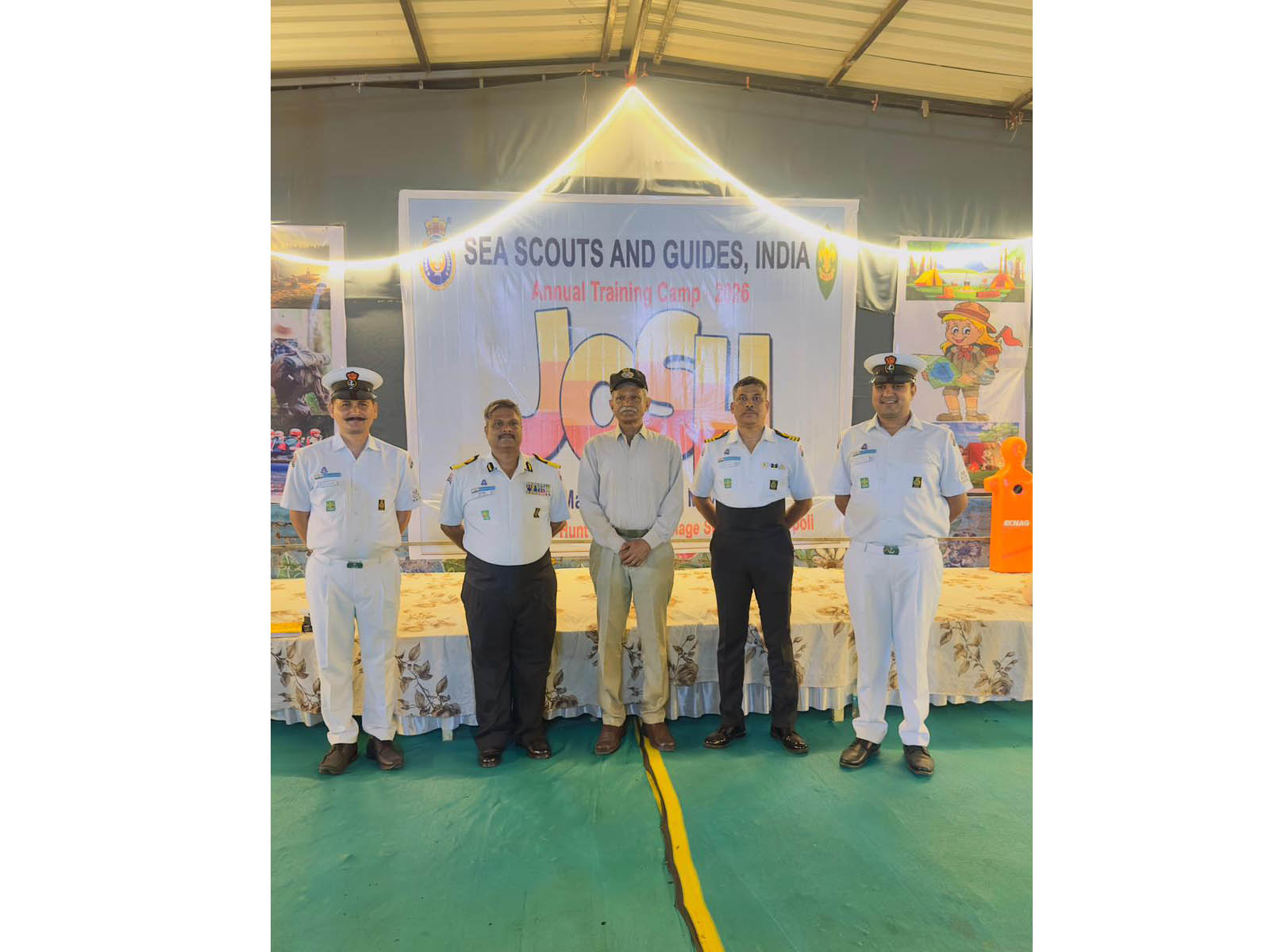
The Annual Training Camp is one of the most important events in the Sea Scouts and Guides calendar. Conducted every year, it is a 10-day residential camp designed to familiarize cadets with Naval customs, traditions, discipline, leadership, and self-reliance. The camp provides a unique opportunity for cadets to experience a structured lifestyle while developing confidence, teamwork, and responsibility.

During the camp, cadets follow a strict daily routine and are expected to maintain high standards of discipline. The day begins at 0500 hours and concludes with Pipe Down at 2200 hours. Throughout the camp, cadets participate in a wide range of activities prescribed in the training syllabus while also carrying out their assigned duties and personal responsibilities.

The morning starts with the Quarter Master's General Call, followed by Physical Training (PT) and Yoga sessions to promote fitness and well-being. After breakfast, all cadets, except those assigned to duty, muster at 0745 hours along with the Colour Guard and Band Platoon for the Colours Ceremony. Following Colours Parade, cadets undergo training sessions, standing drills, and practical activities until the short break.

The remainder of the day includes classroom instruction, theory lessons, leadership training, watermanship, seamanship, first aid, communication skills, and various outdoor activities. These sessions are carefully designed to provide cadets with comprehensive knowledge and practical experience.

At 1800 hours, the Sunset Ceremony is conducted with the lowering of the Sea Scouts and Guides Ensign. The evening is dedicated to cultural programmes, talent displays, educational activities, and group interactions that encourage camaraderie and team spirit. Dinner is served at 2000 hours, after which the schedule for the following day is announced. The day concludes with Roll Call, and at 2200 hours, the camp observes Pipe Down, marking the end of the day's activities.

The Annual Training Camp is a memorable experience that instills discipline, leadership, self-confidence, teamwork, and a deep appreciation of maritime traditions. It remains one of the most effective platforms for the overall development of Sea Scouts and Guides cadets.
image
image
image
image
image
image

RECREATIONAL AND CULTURAL TRAINING

The Annual Training Camp (ATC) follows a rigorous schedule of training, drills, and activities. To provide relaxation and recreation after a demanding day, cultural programmes are organized every evening following the Sunset Ceremony. These programmes help cadets unwind, build confidence, showcase their talents, and maintain high morale throughout the camp.

Various inter-divisional competitions are conducted, including Group Dance, Group Songs, Dramas, Mono Acting, Debates, Quiz Competitions, and other cultural activities. These events encourage teamwork, creativity, leadership, public speaking, and healthy competition among the cadets. They also provide an excellent platform for cadets to express themselves and develop their hidden talents.

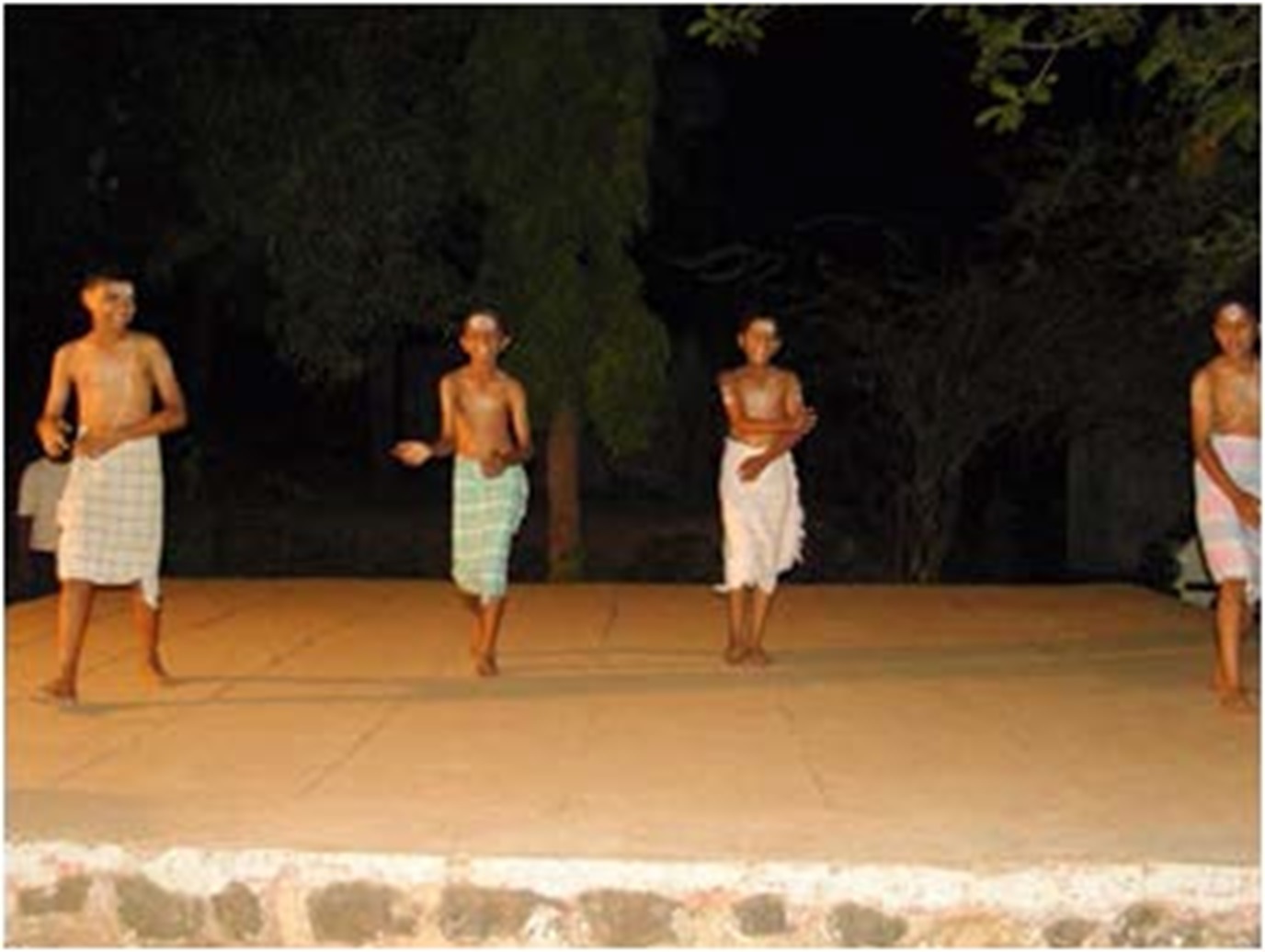
One of the unique traditions of Sea Scouts and Guides is the Sailor’s Hornpipe Dance, also known as The College Hornpipe or Jack’s the Lad. This traditional naval dance originated aboard sailing ships and depicts the daily life and duties of sailors at sea. The dance mimics actions such as climbing rigging, pulling ropes, steering the ship, and other seamanship tasks. Since it requires very little space and no dance partner, it became a popular form of entertainment among sailors on board ships.

At Sea Scouts and Guides, all girl cadets are trained in the Sailor’s Hornpipe Dance during the Annual Training Camp. The dance forms an important part of our maritime heritage and traditions. Cadets perform the Sailor’s Hornpipe Dance during special occasions, ceremonial functions, Annual Training Camps, and the Commissioning Anniversary Celebrations of Sea Scouts and Guides, where it is always appreciated by guests and audiences alike.

Through cultural programmes and traditional performances, Sea Scouts and Guides strives to preserve maritime traditions while promoting confidence, creativity, teamwork, and cultural awareness among its cadets.
image
image
image
image
image
image

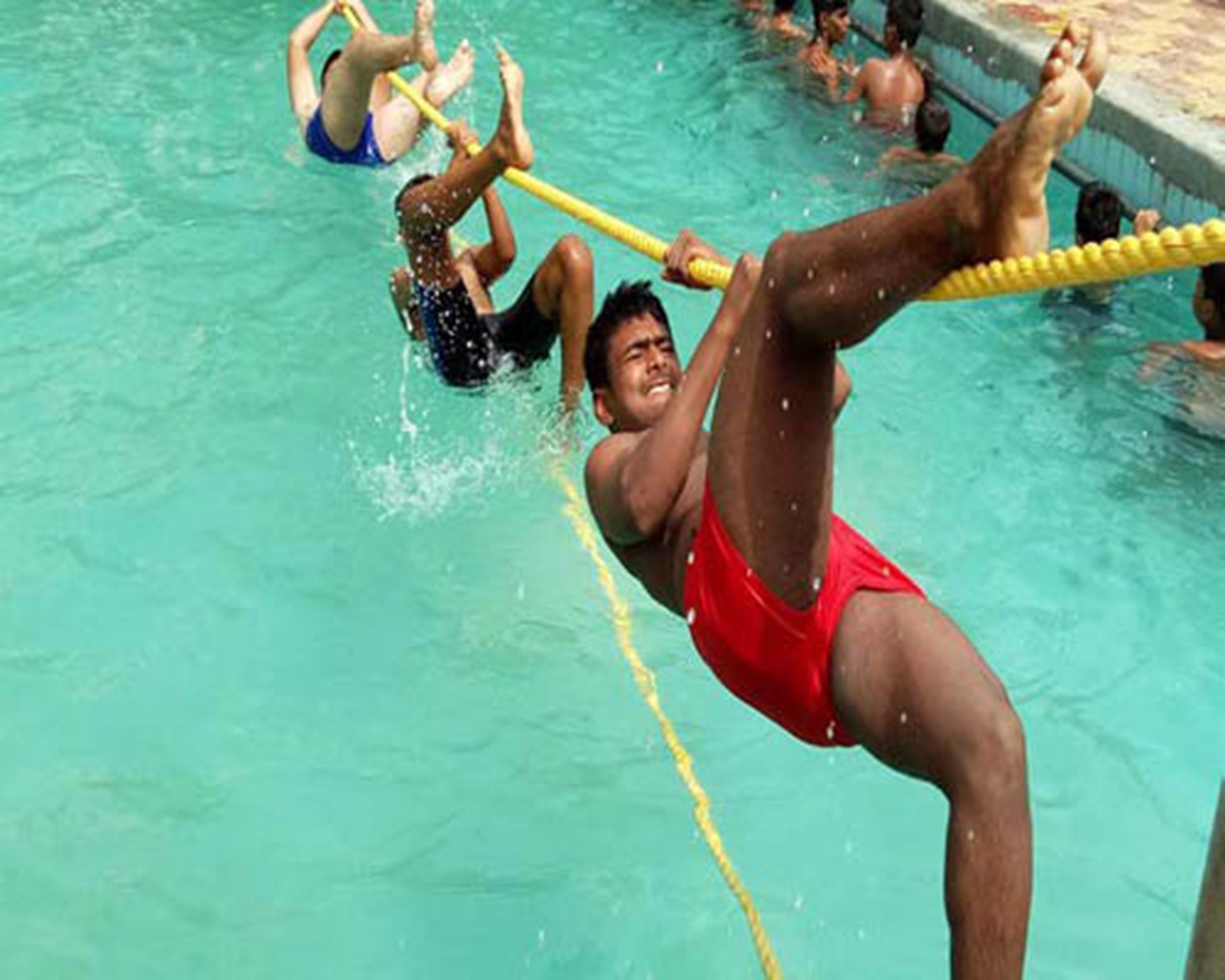
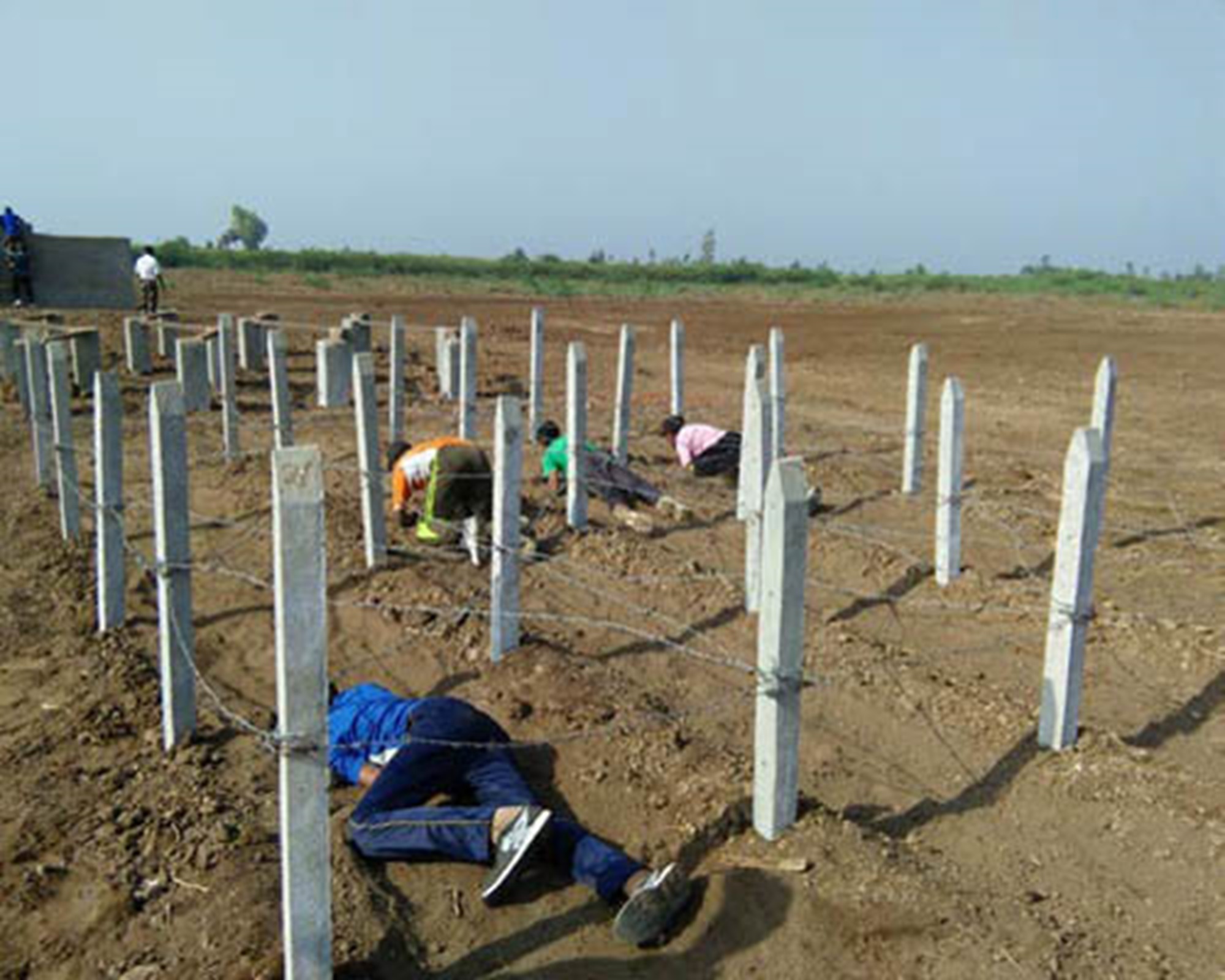
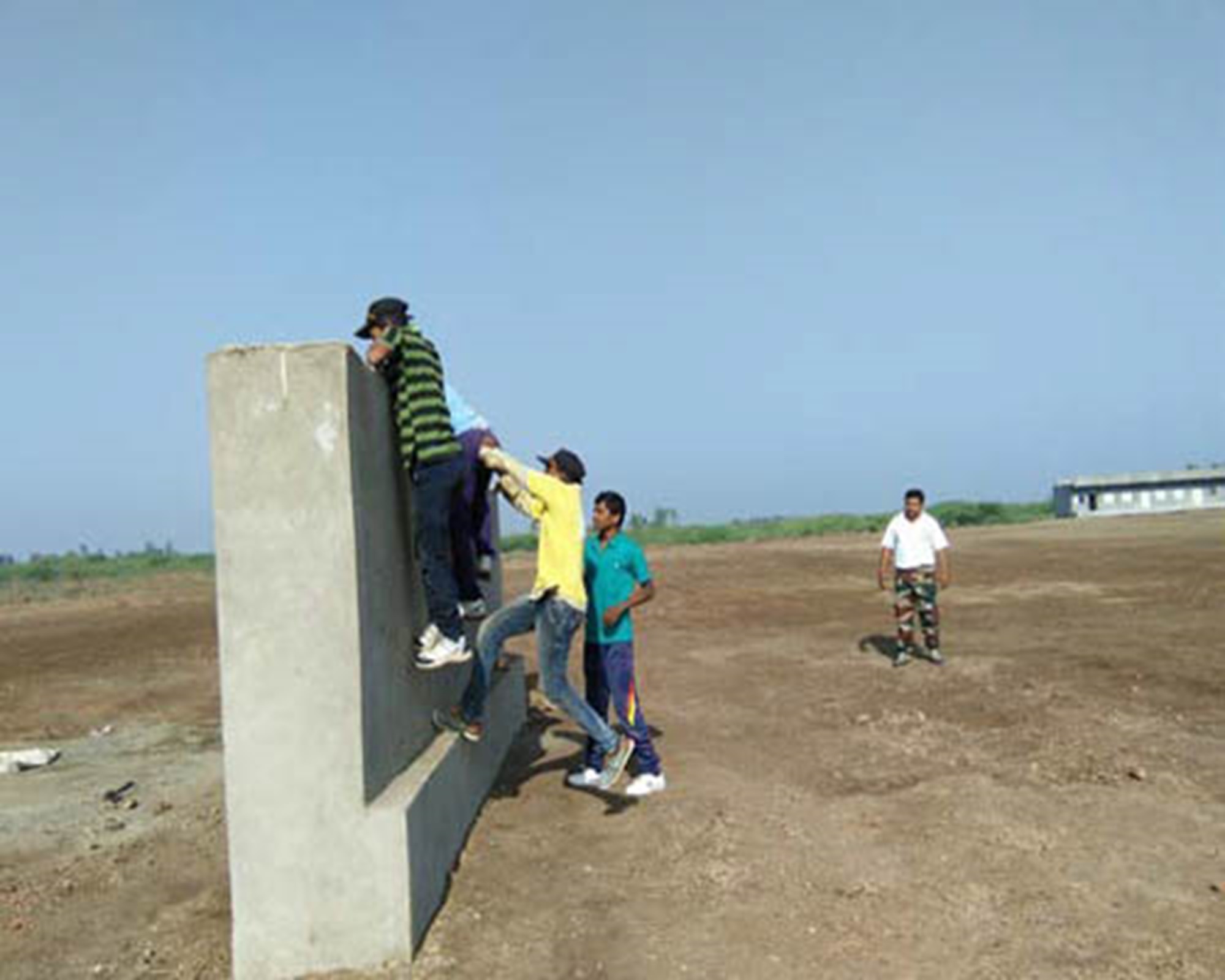
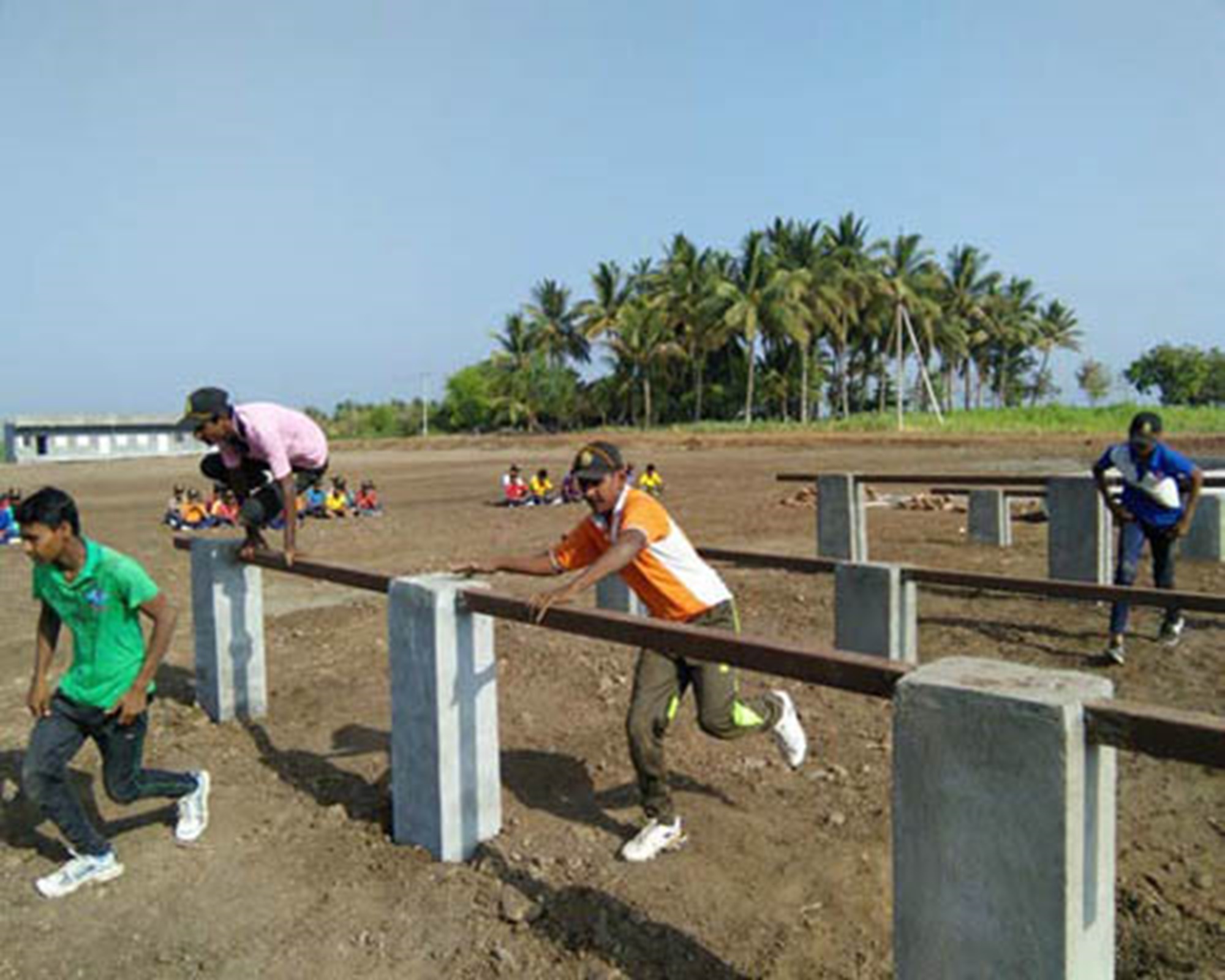
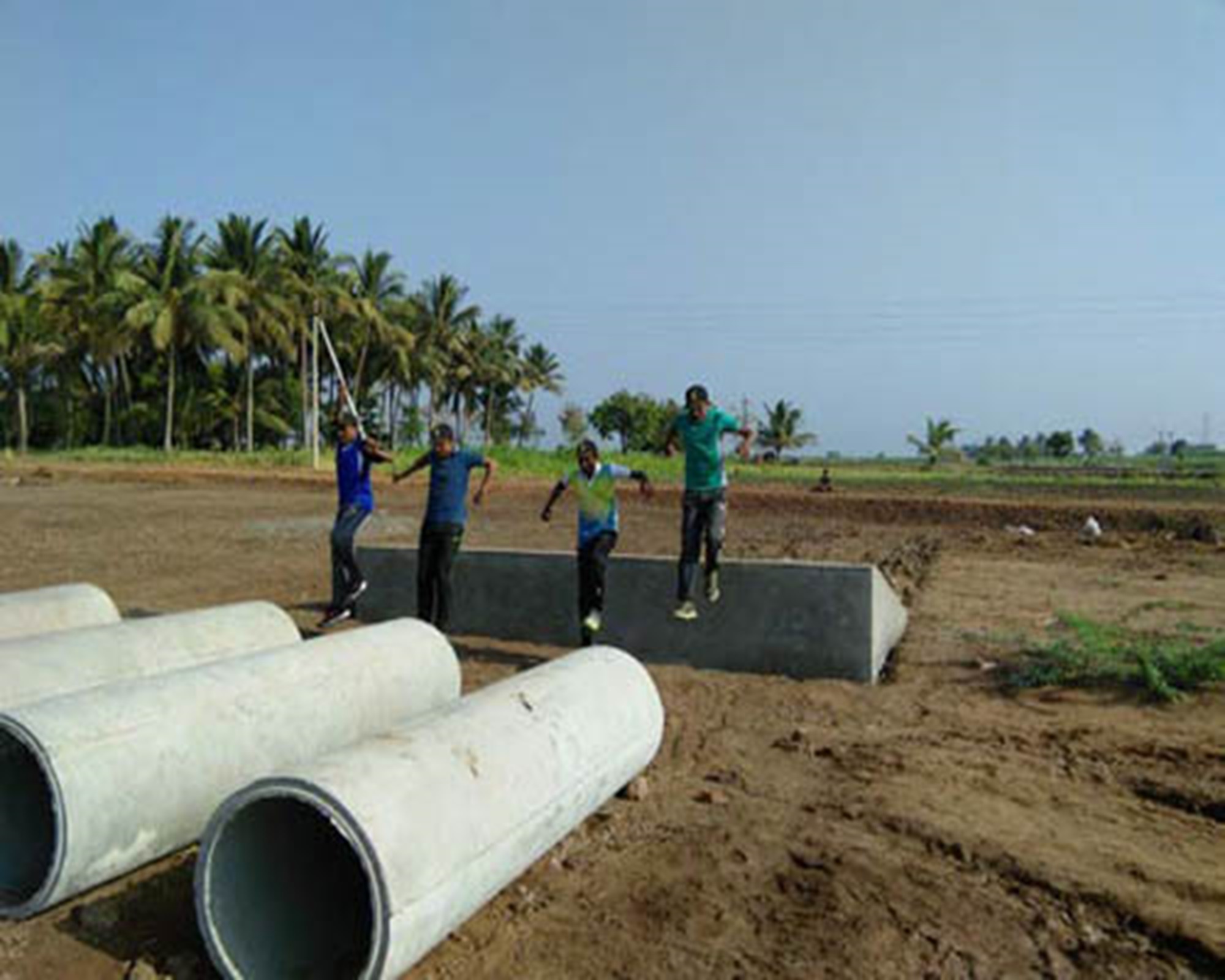
OBSTACLE TRAINING

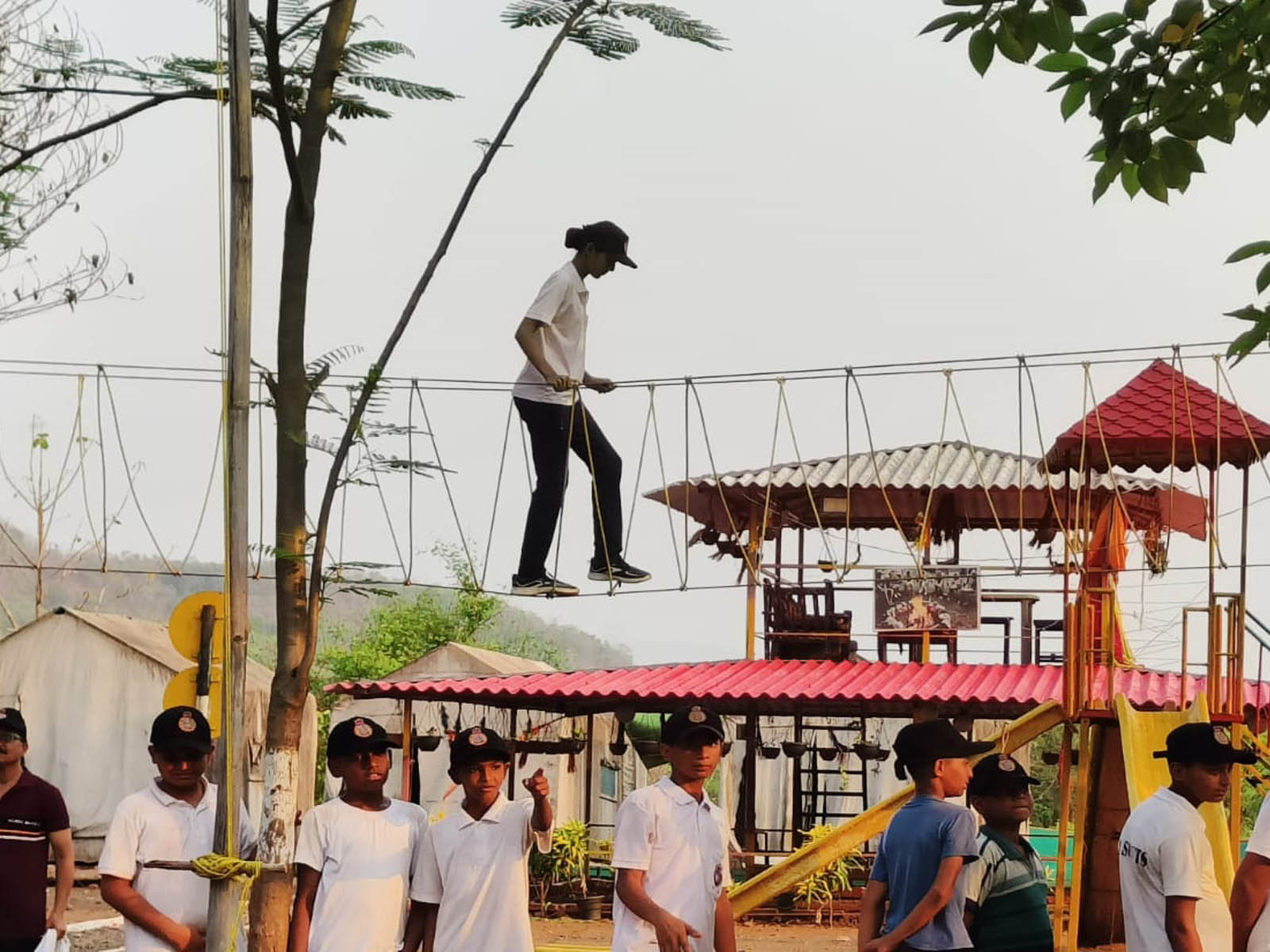
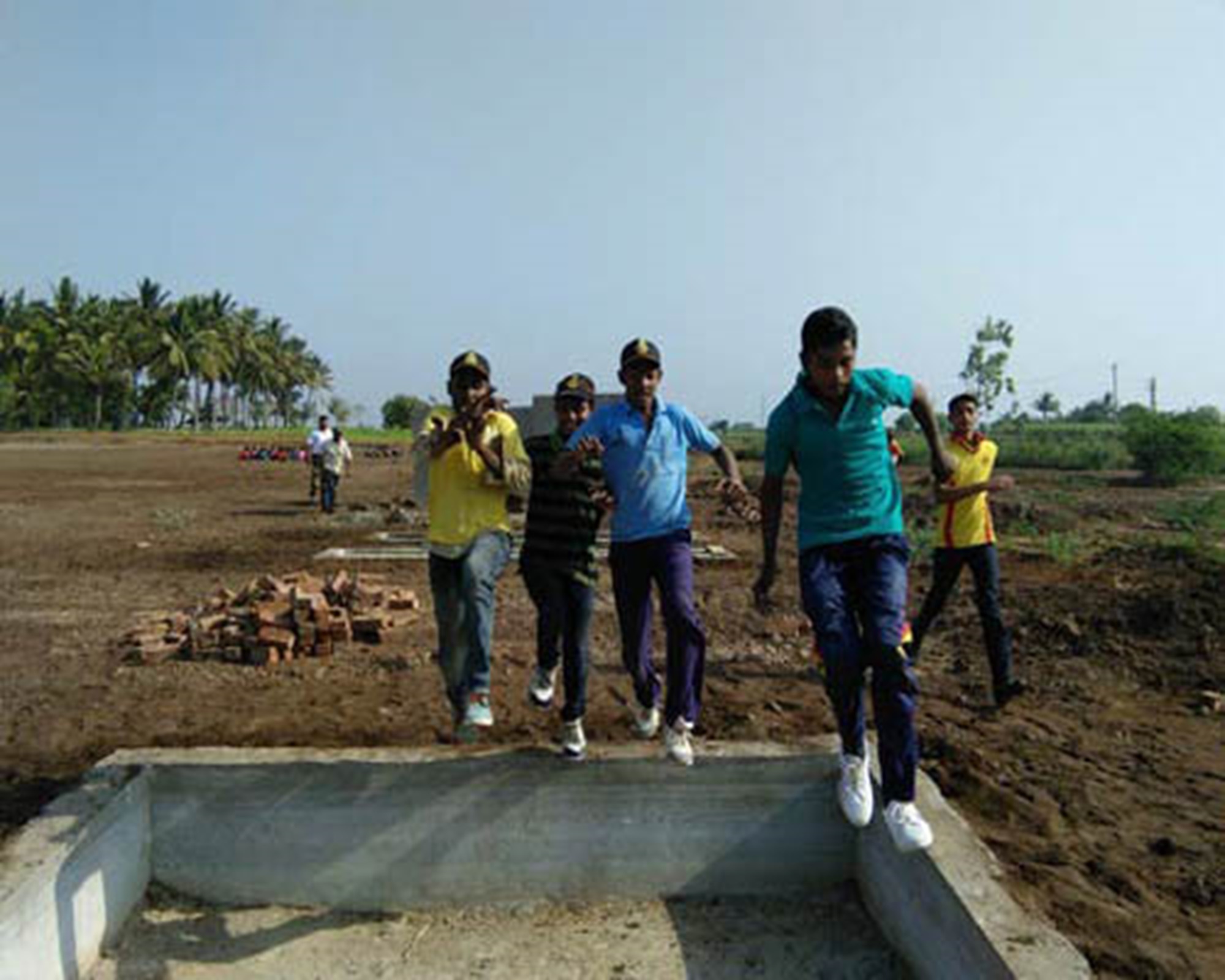
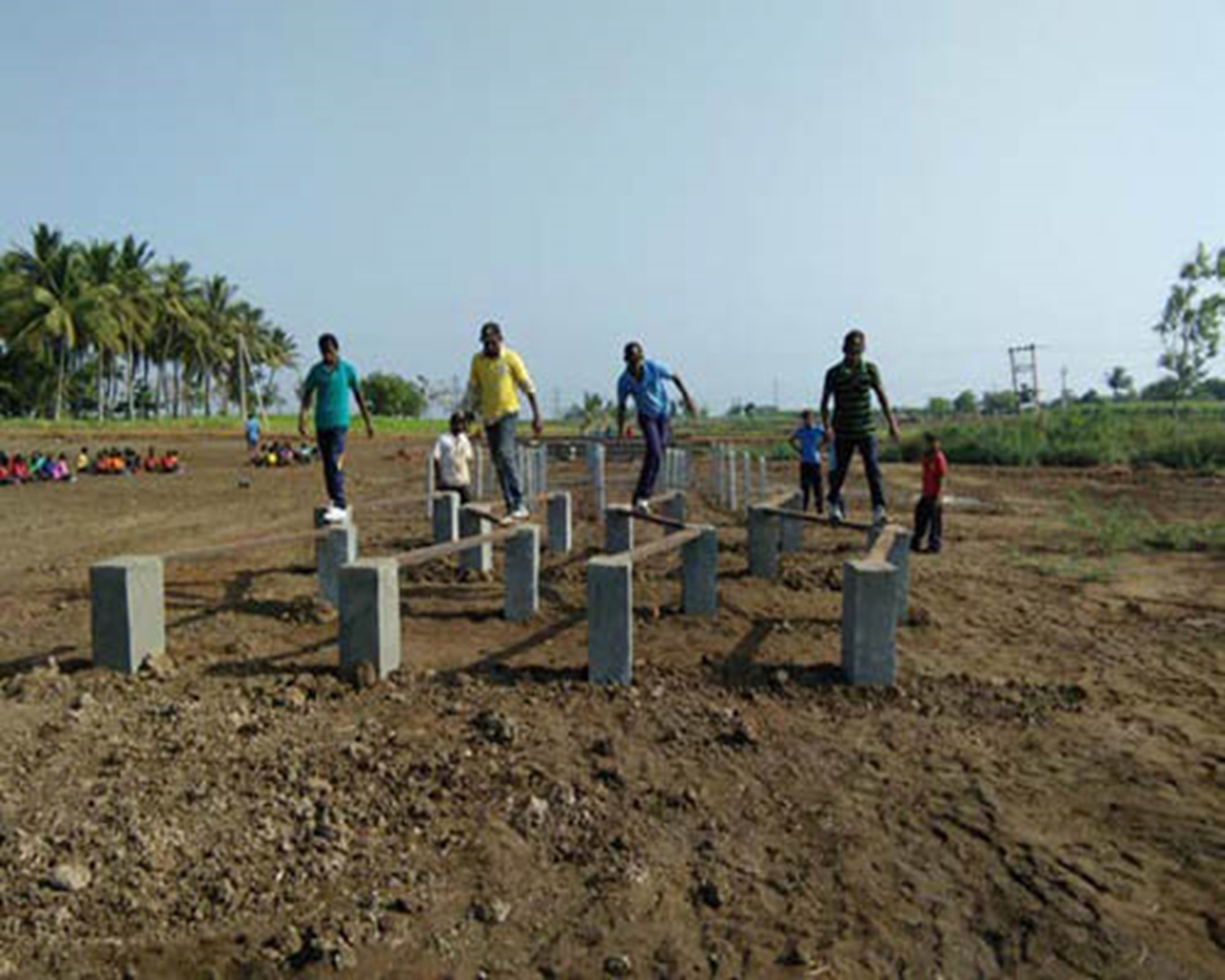
Obstacle Course Training is one of the most exciting and challenging activities conducted by Sea Scouts and Guides. An obstacle course consists of a series of physical and mental challenges that participants must successfully negotiate, often within a specified time limit. These courses typically include activities such as running, climbing, jumping, crawling, balancing, rope obstacles, wall crossings, and water-based challenges, all designed to test a cadet’s physical fitness, determination, and problem-solving abilities.

Sea Scouts and Guides operates a dedicated Obstacle Training Centre at Savadi, Karnataka, where cadets undergo specialized obstacle course training during school vacations and training camps. The primary objective of this programme is to improve speed, endurance, agility, strength, coordination, confidence, and teamwork.

In addition to physical challenges, certain obstacle courses incorporate mental tasks and decision-making exercises, requiring cadets to think quickly, solve problems, and remain calm under pressure. These activities help develop leadership qualities, resilience, perseverance, and the ability to overcome difficulties in challenging situations.

Obstacle Course Training is not only a test of physical capability but also an opportunity for personal growth. It encourages cadets to push beyond their limits, build self-confidence, and develop the spirit of adventure that forms an essential part of the Sea Scouts and Guides training programme.

image
image
image
image
image
image

SEMINARS AND OTHER ACTIVITIES

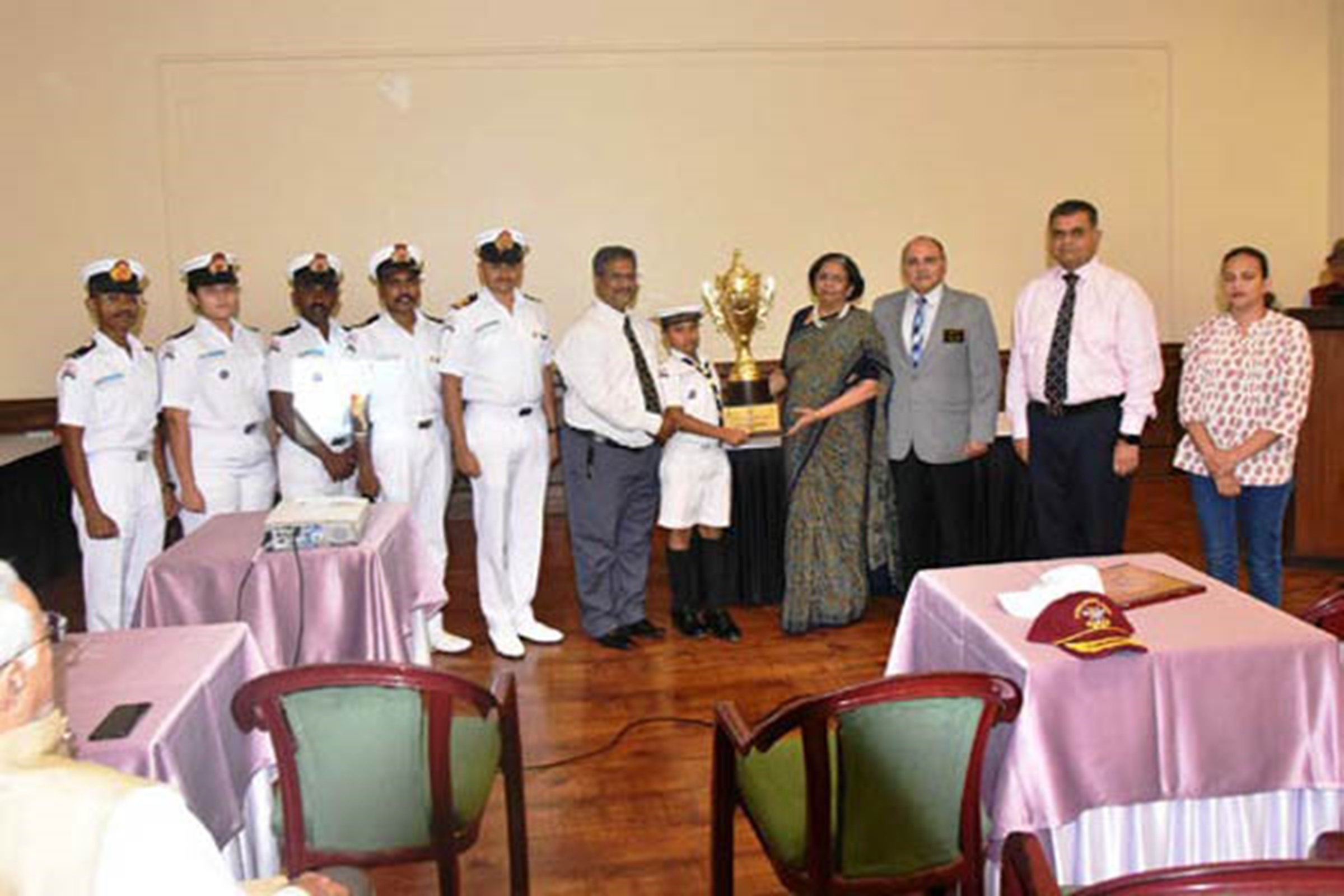
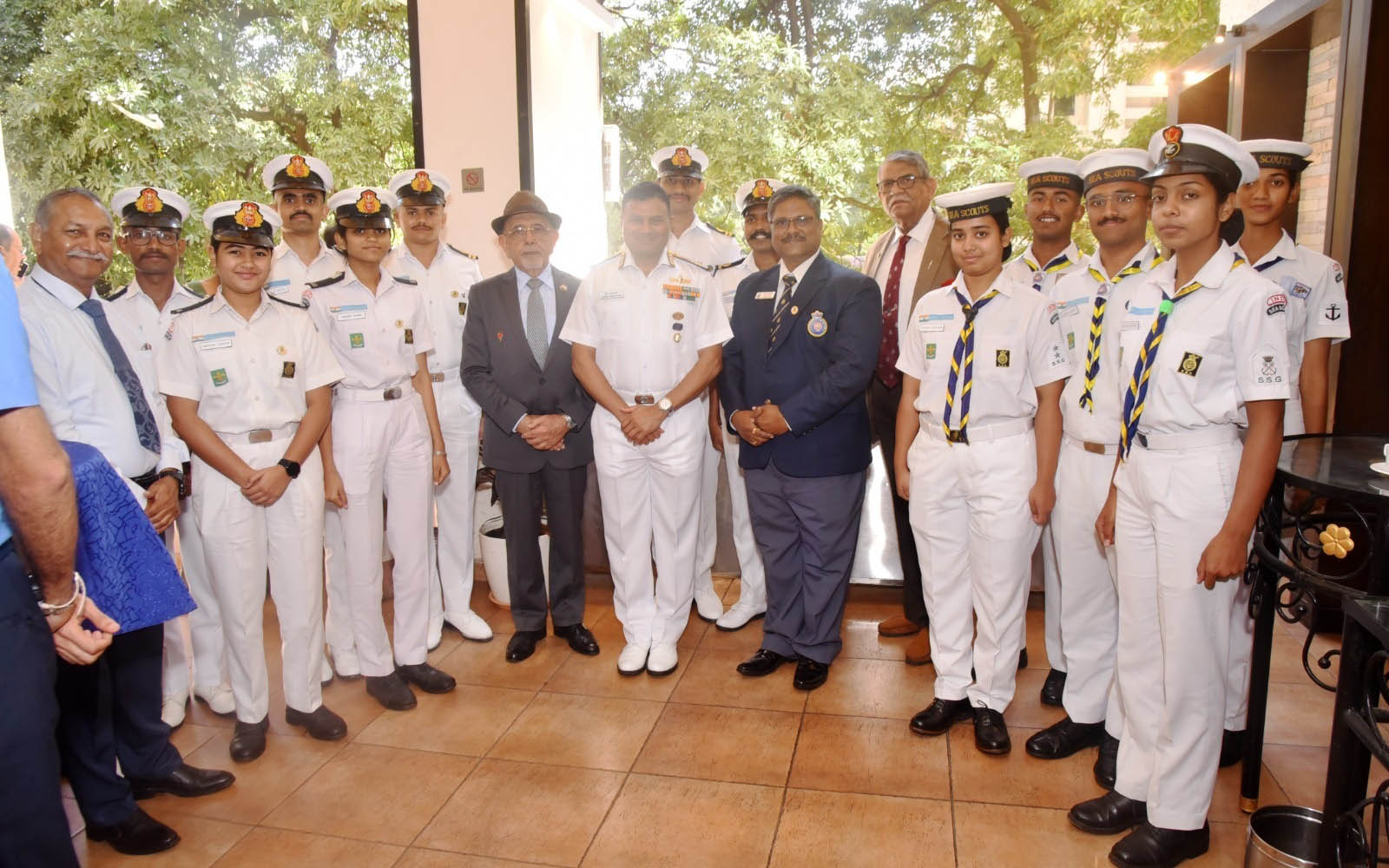
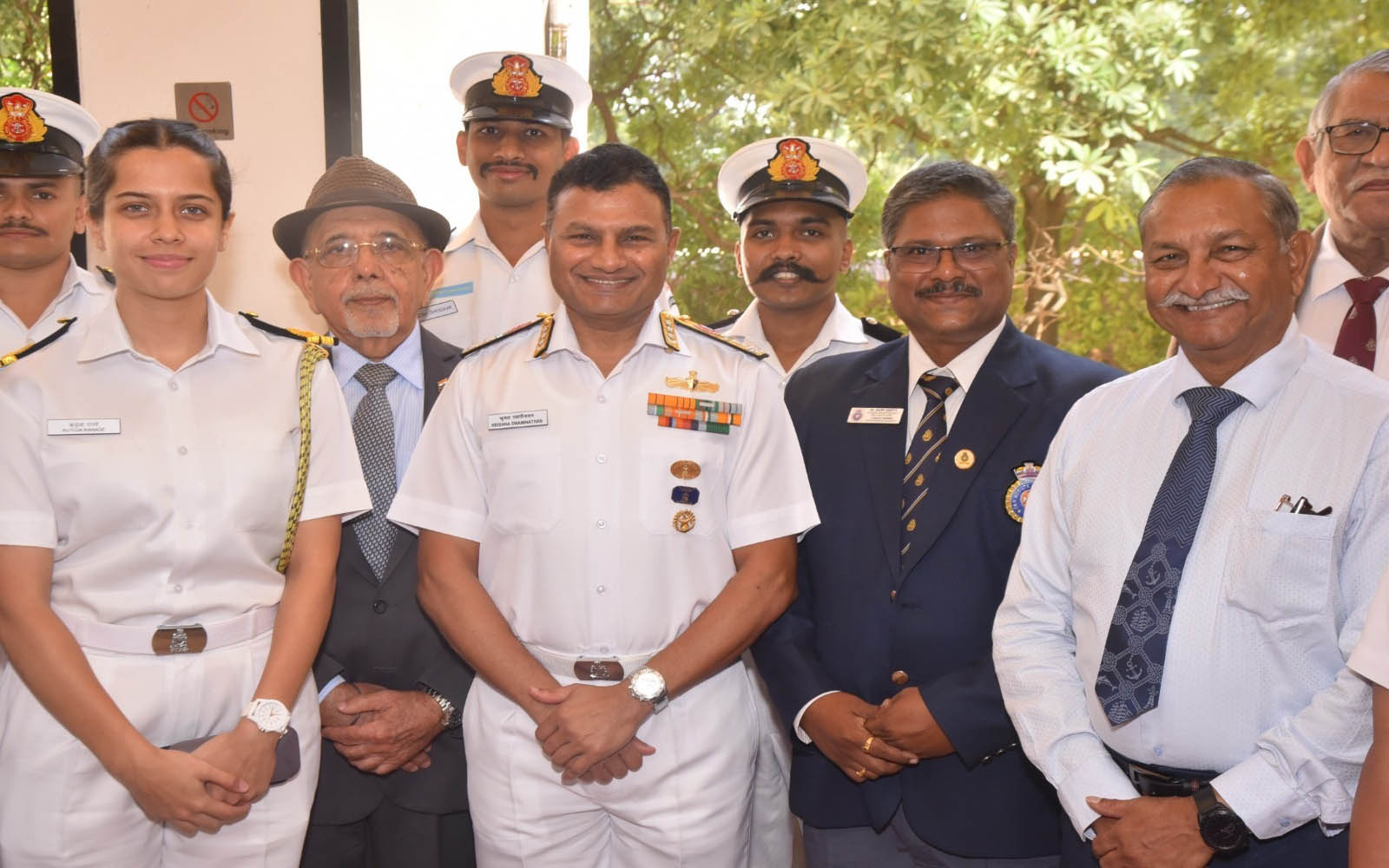
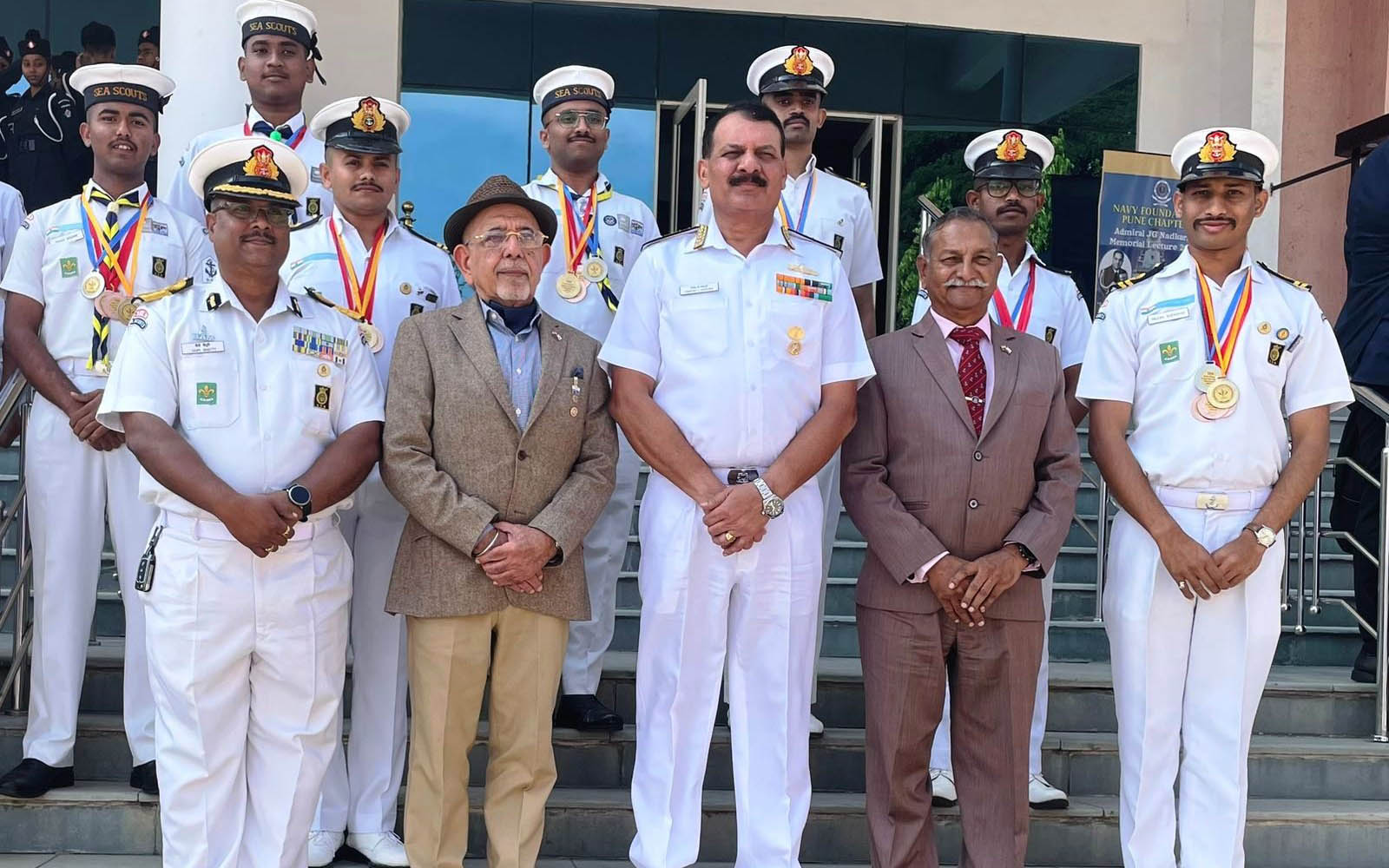
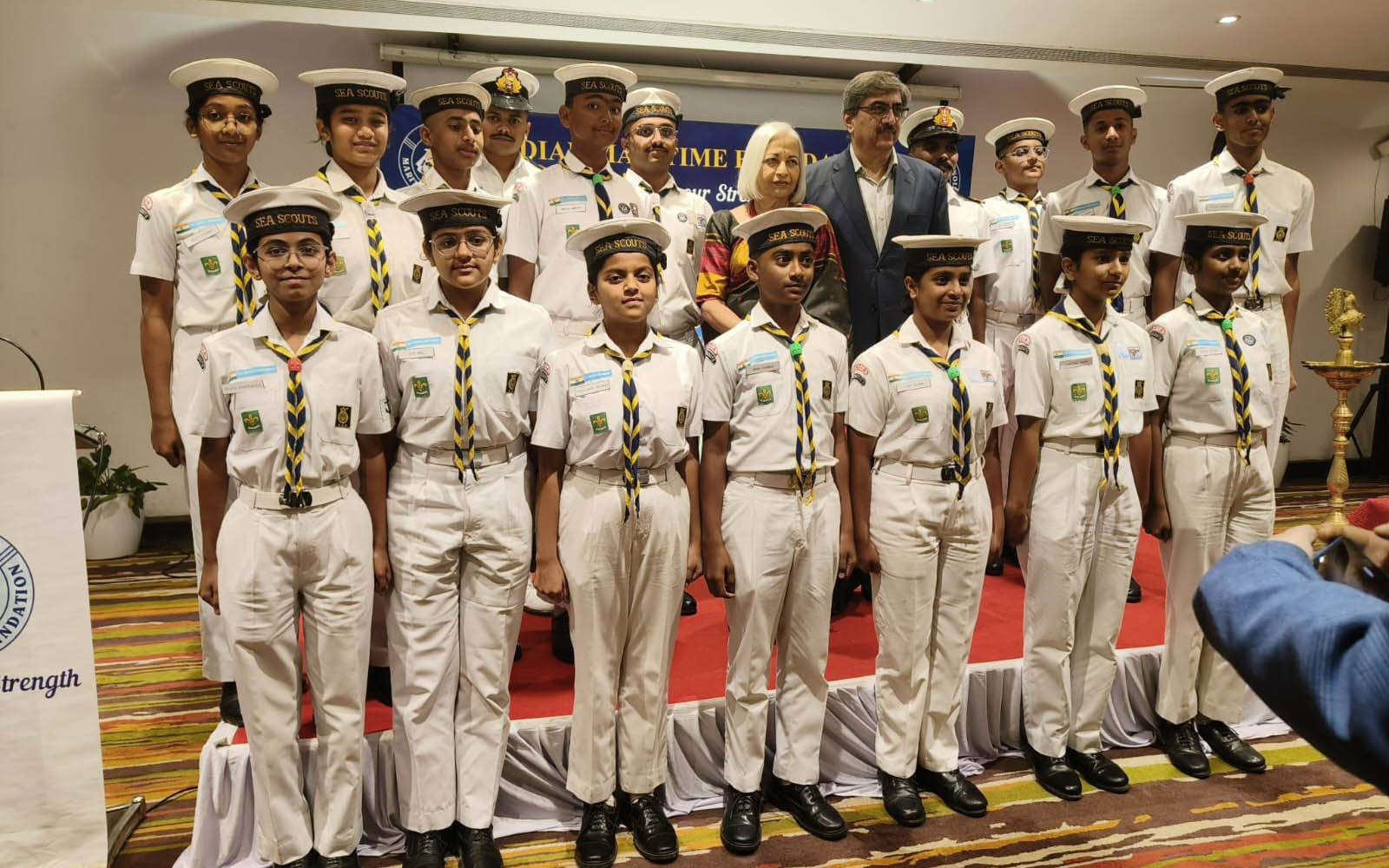
Sea Scouts and Guides cadets are regularly invited to participate in seminars, workshops, lectures, and other educational activities organized by the Navy Foundation and the Indian Maritime Foundation. These programmes provide valuable opportunities for cadets to broaden their knowledge of maritime affairs, national security, leadership, and career opportunities in the Armed Forces and maritime sector.

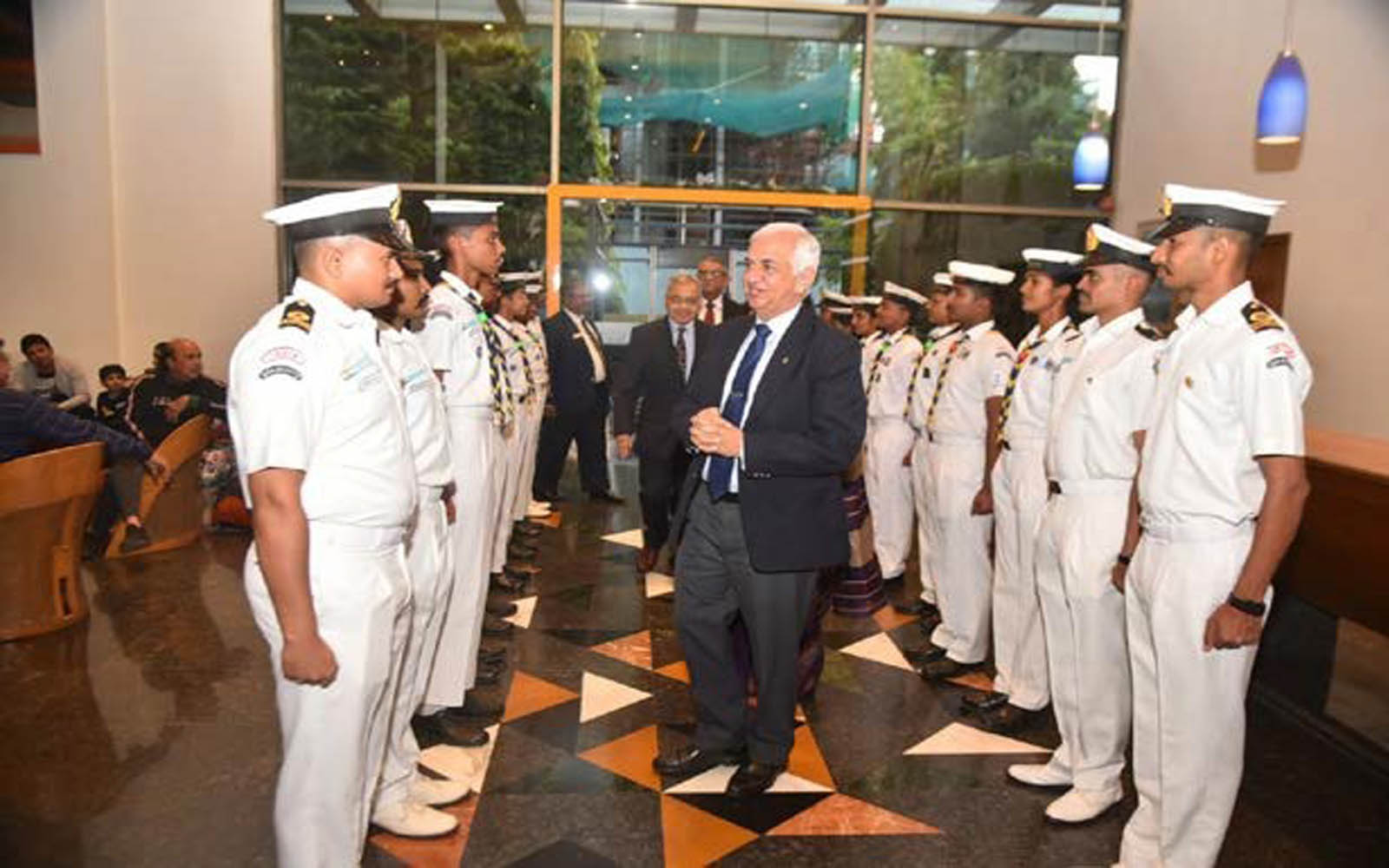
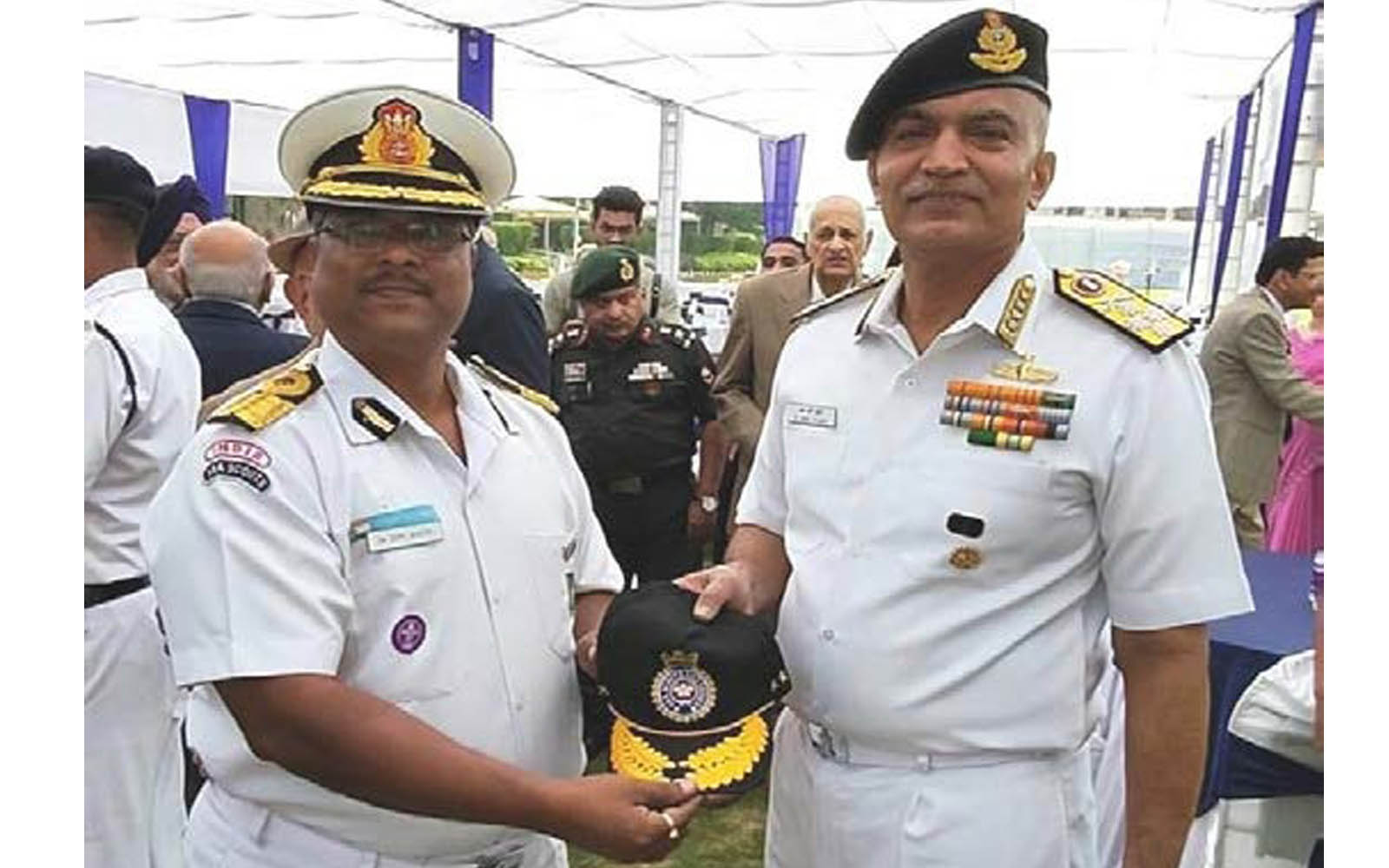
One of the greatest benefits of these events is the opportunity for cadets to interact directly with senior Naval Officers, Admirals, and Naval Veterans, who share their experiences, knowledge, and insights gained through years of distinguished service. Such interactions inspire cadets and help them develop a deeper understanding of leadership, discipline, patriotism, and professional excellence.

Veterans from the Indian Army, Indian Air Force, Indian Coast Guard, Merchant Navy, and other uniformed services are also invited to address the cadets. Through their personal stories and experiences, they provide valuable lessons on courage, teamwork, dedication, and service to the nation.
These programmes play a significant role in motivating young people, enhancing their awareness of defence and maritime careers, and instilling in them the values of discipline, leadership, and national pride. They also strengthen the bond between the younger generation and the veterans who have dedicated their lives to serving the country.

image
image
image
image
image
image
image
image
image
image